Overview
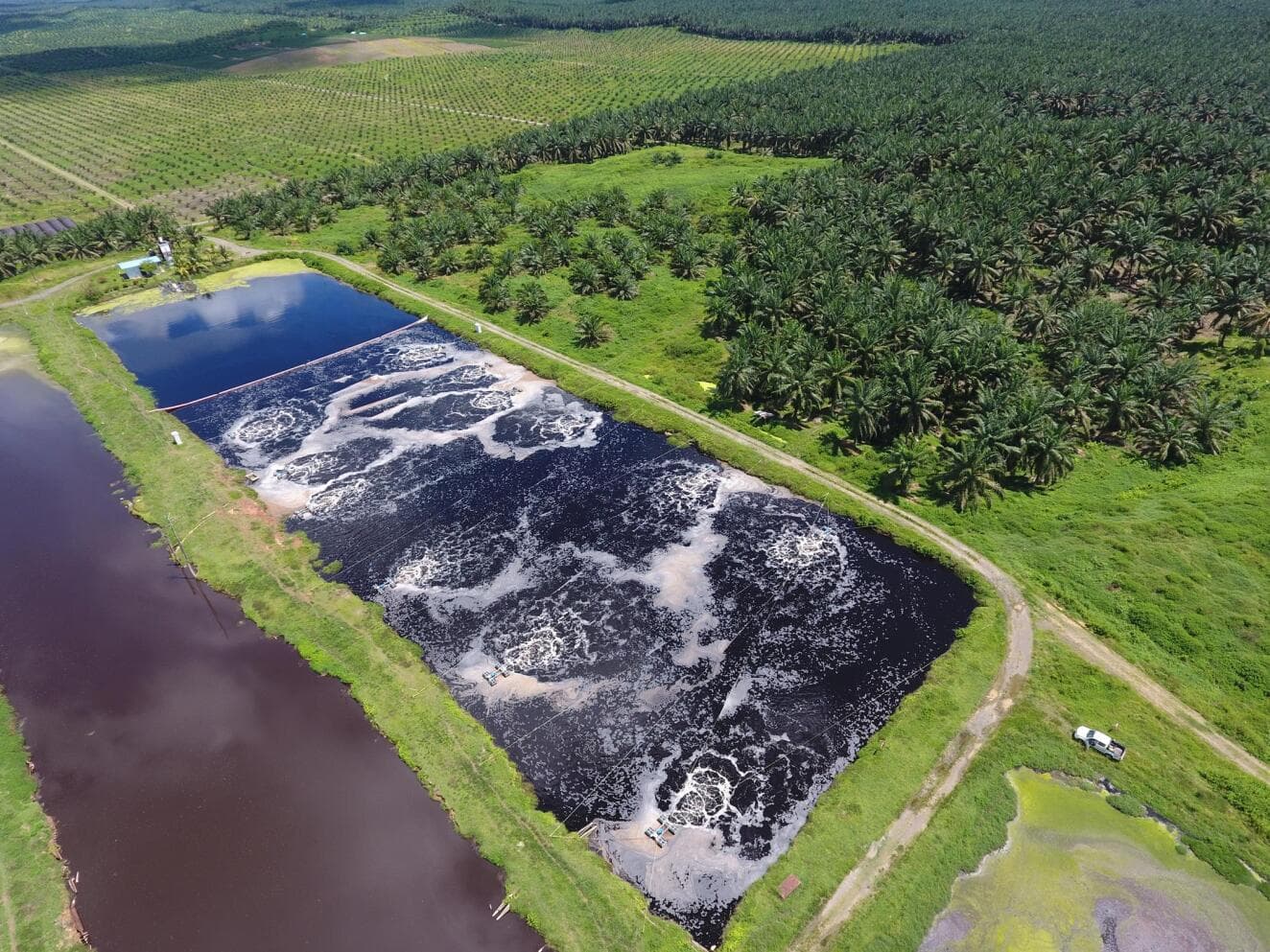
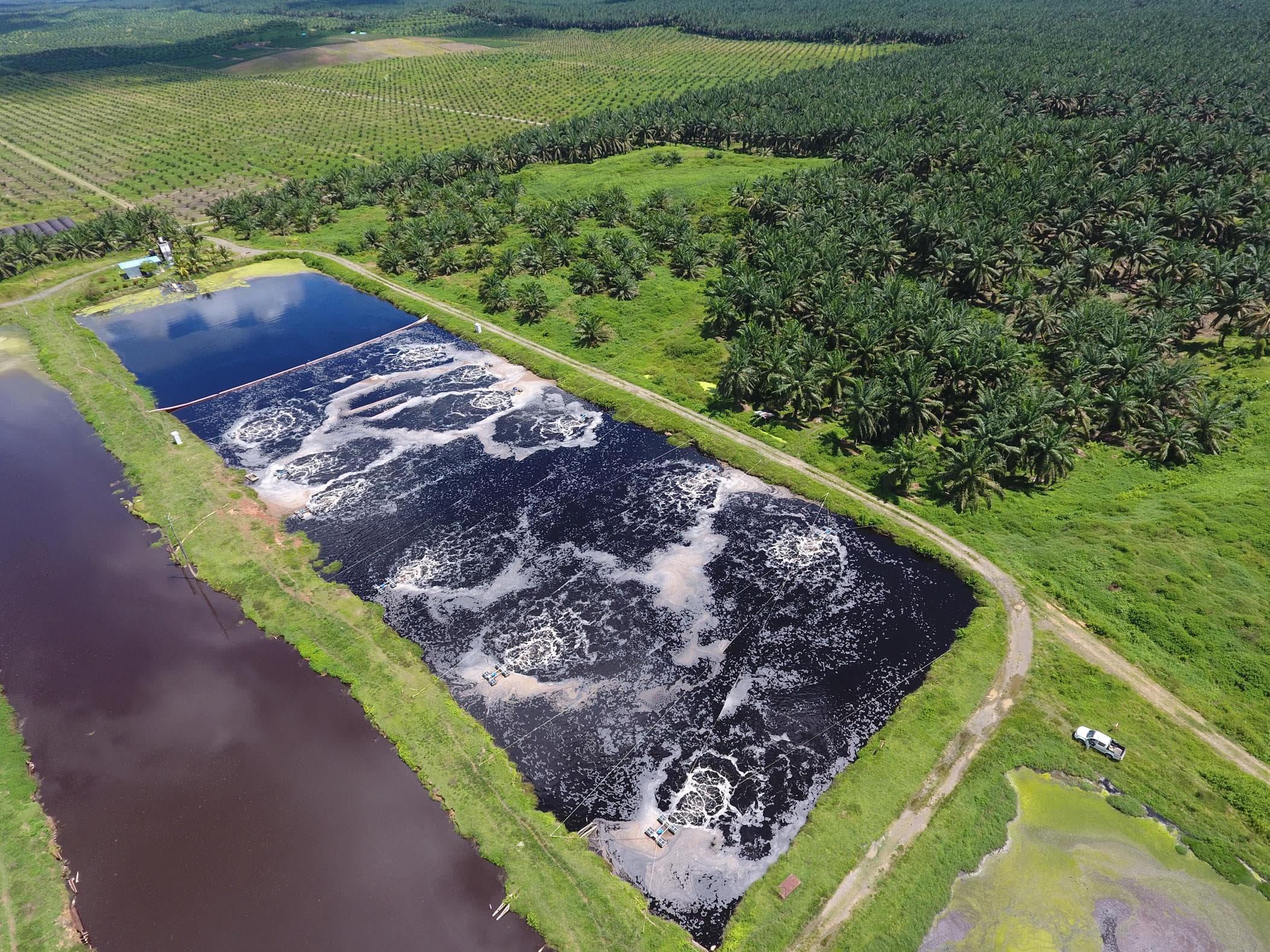
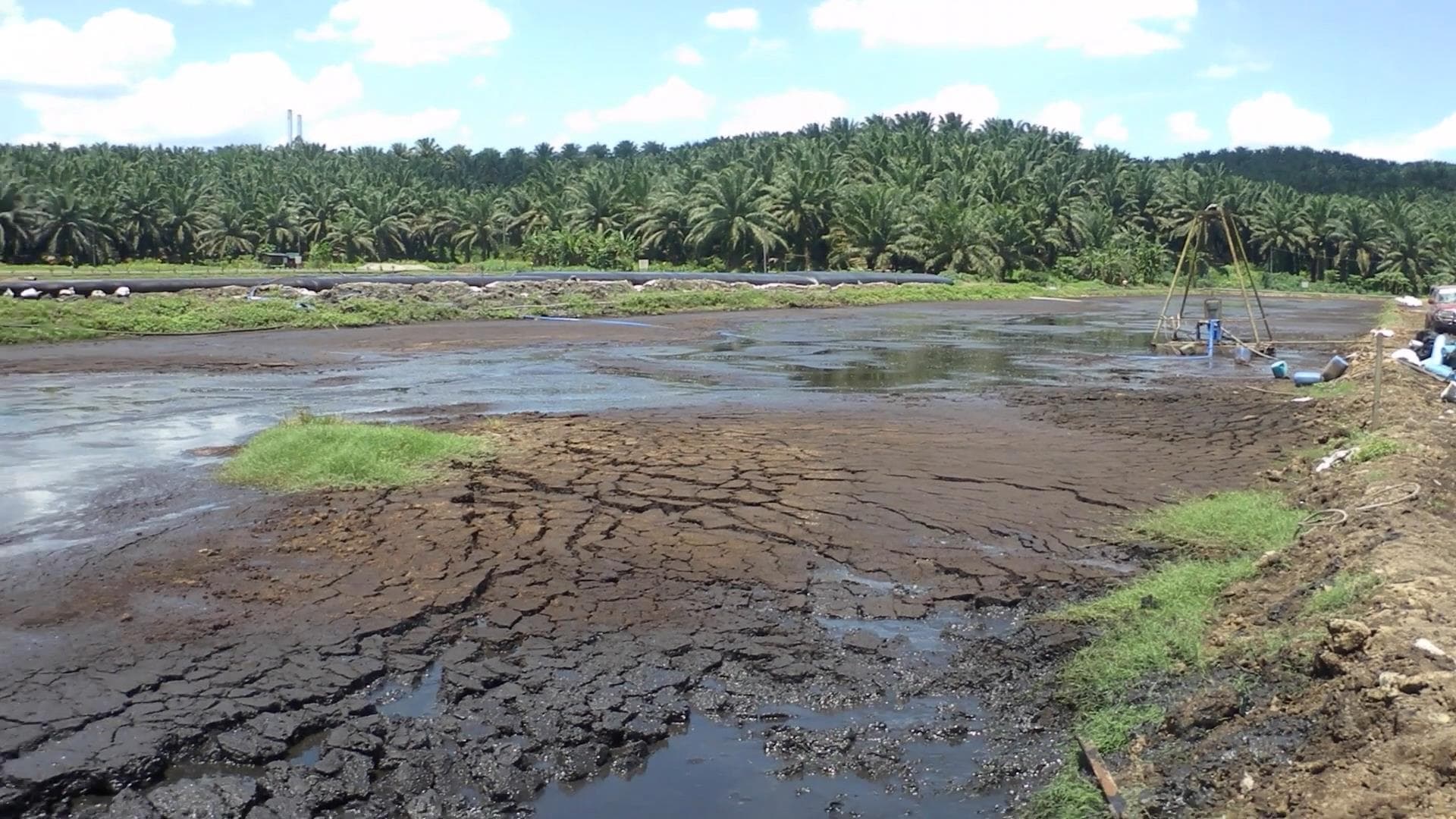
In the treatment of palm oil mill effluent (POME), waste is typically discharged through anaerobic and aerobic ponds to break it down. If no further treatment is required, the waste is then discharged into a natural water body. However, this process is complicated by heavy tropical rain, which affects its stability.
Challenge
Most POME plants face the problem of excessive sludge buildup in the ponds. As the sludge levels reach their maximum limit, millers either excavate and dispose of the silt or construct new ponds. The continuous cycle of resolving this issue becomes more challenging as pond volume decreases and sludge builds up rapidly in the anaerobic pond. Dewatering the ponds becomes increasingly costly.
Solution
Part 1: GEOTUBE® Dewatering
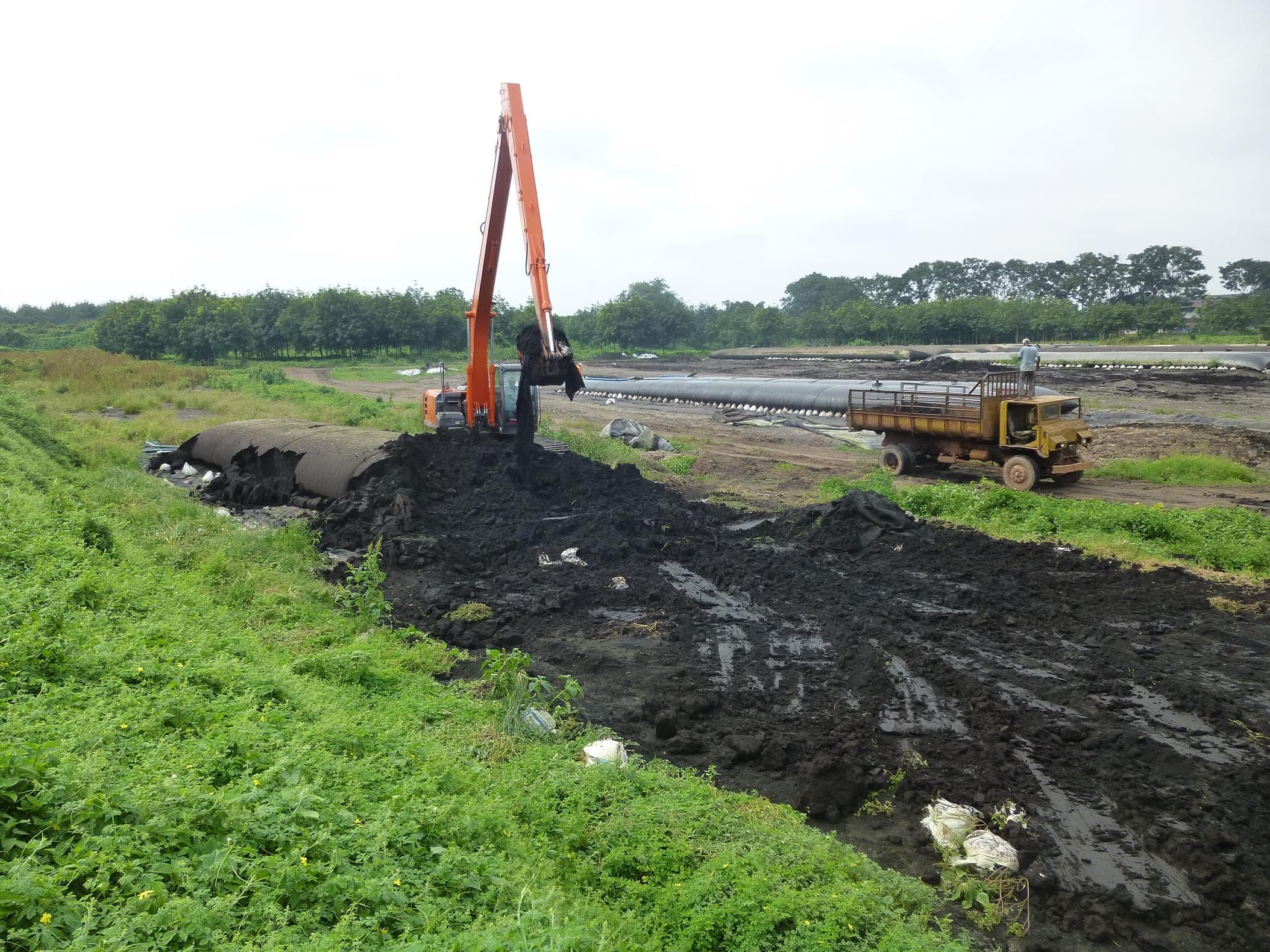
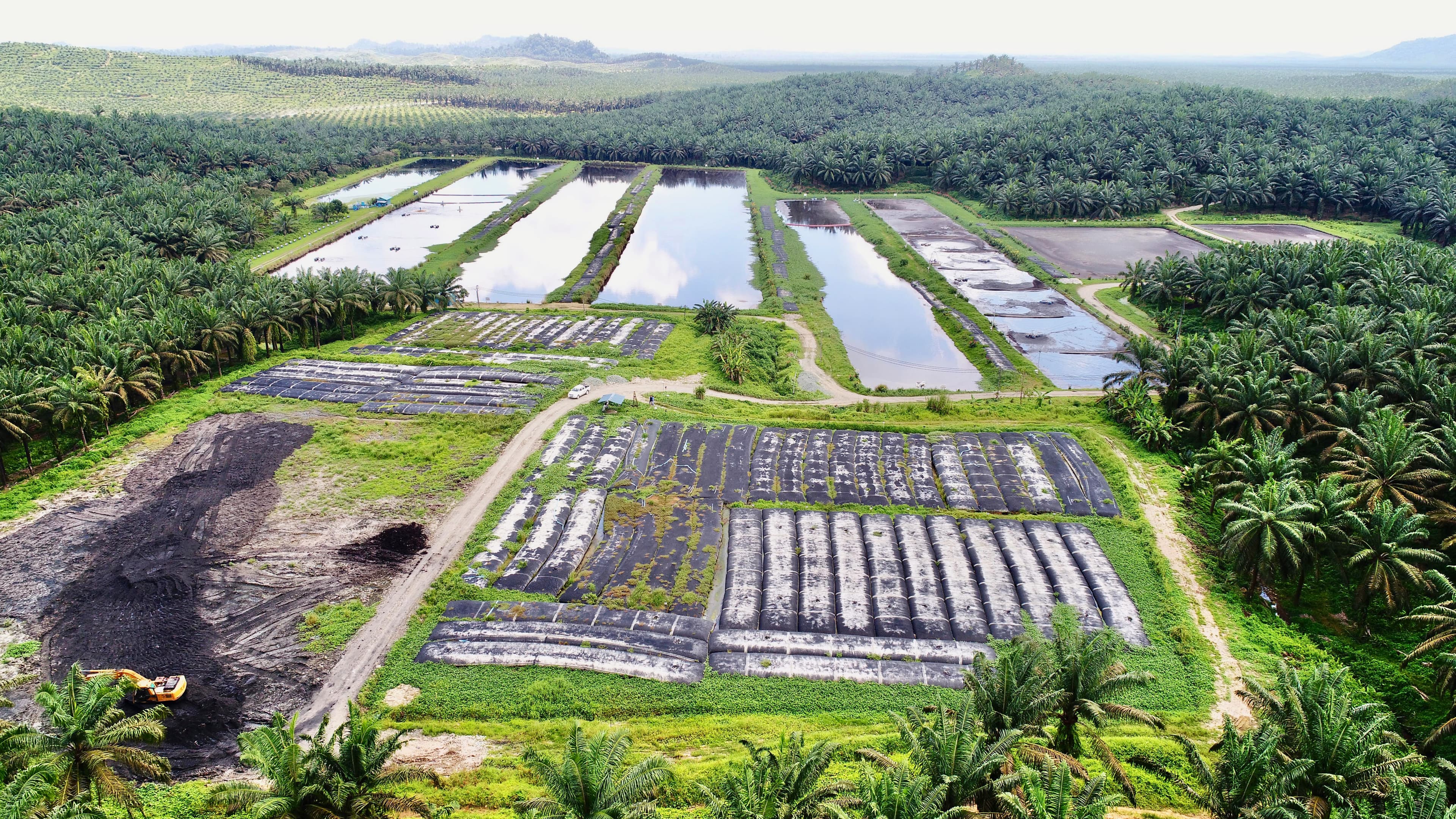
GEOTUBE units are used to dewater the POME sludge. The units retain the solid particles within the tube, while the liquid can be recycled back through the plant or discharged through the polishing ponds. The solids within the GEOTUBE units provide an environment that accelerates the microbial breakdown of waste.
The POME sludge is directly discharged into the GEOTUBE units without the need for polymer dosing. This improves the purity of the discharged water and speeds up the drying process. Once dry, the GEOTUBE units are opened, and the degraded mulch can be used as fertilizer. GEOTUBE units for POME applications are designed specifically for organic waste dewatering, and their size is determined based on the plant's discharge volume and available land space.
GEOTUBE units offer the following benefits:
Higher capacity for solid retention
Faster dewatering and generation of by-products
Substantial cost savings per cubic meter of slurry processed
Part 2: GEOTUBE Silt Curtain
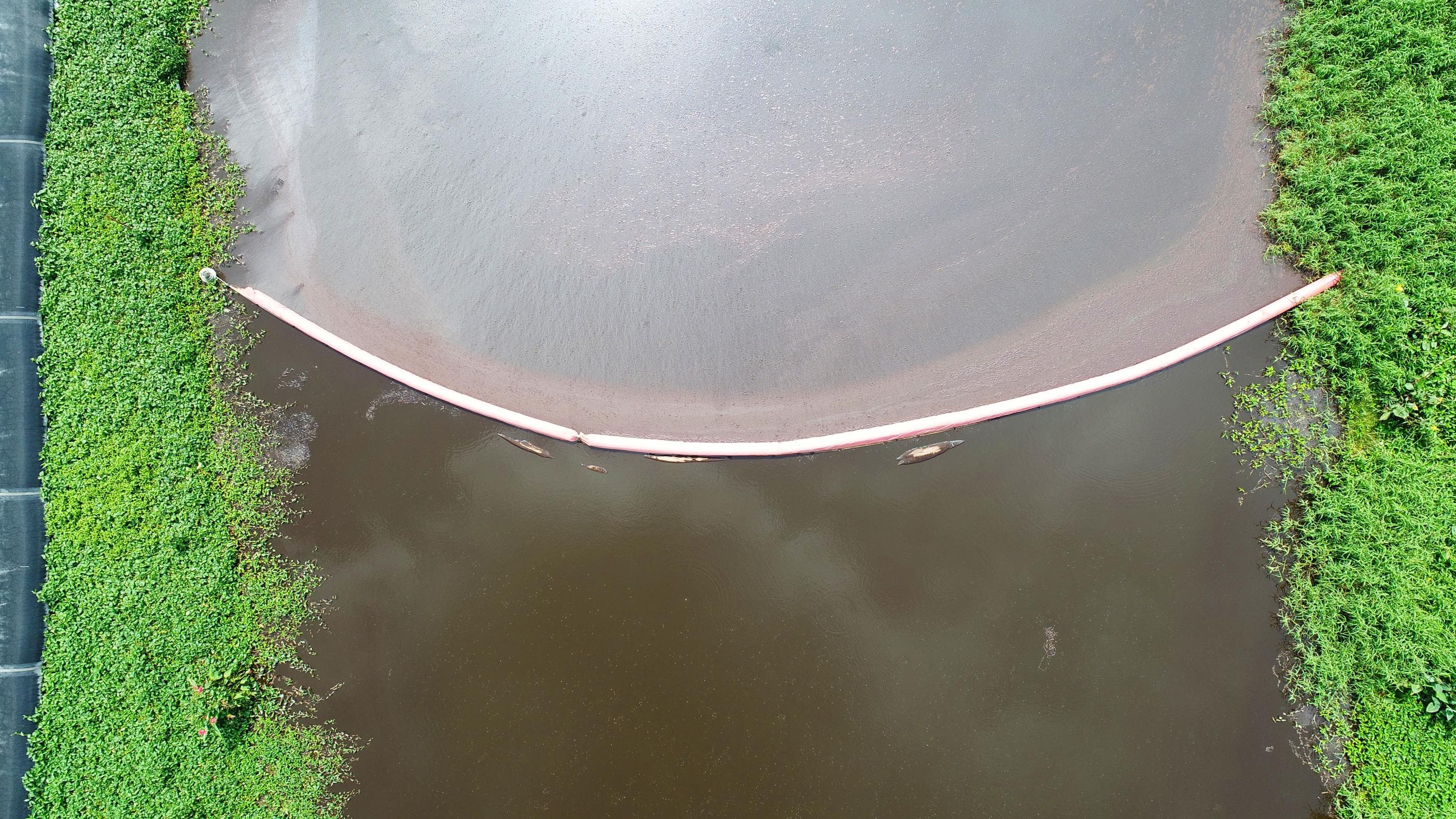
In the treatment of palm oil effluent, silt curtains made of engineered fabrics can be deployed to improve water clarity and encourage the settlement of suspended solids. These flexible barriers slow down water flow, allowing fine particles to settle at the bottom of the pond. When combined with other systems such as aerators, silt curtains significantly improve pond BOD (Biochemical Oxygen Demand) and overall water management efficiency.
By understanding the mill process, waste stream volume, and available space for construction, GEOTUBE technical specialists can design an effective solution that optimizes the dewatering process.
Result
This project demonstrates the effectiveness of GEOTUBE dewatering technology in recovering consolidated rich sludge as fertilizer for composting. The use of GEOTUBE dewatering units eliminates the need for constructing additional ponds, resulting in major cost savings. The recovered sludge's value offsets the cost of recovery. The combined solutions of GEOTUBE dewatering and silt curtain systems significantly improve overall process efficiency and returns from the recovery process.