
Lake bank stabilization at Vivid Shores
At Vivid Shores in Bonita Springs, Florida, PROPEX® Armormax®, MIRAFI® FW403 and MIRAFI 140N stabilize lake banks exposed to wind-driven wave erosion. Completed sections are performing as designed.
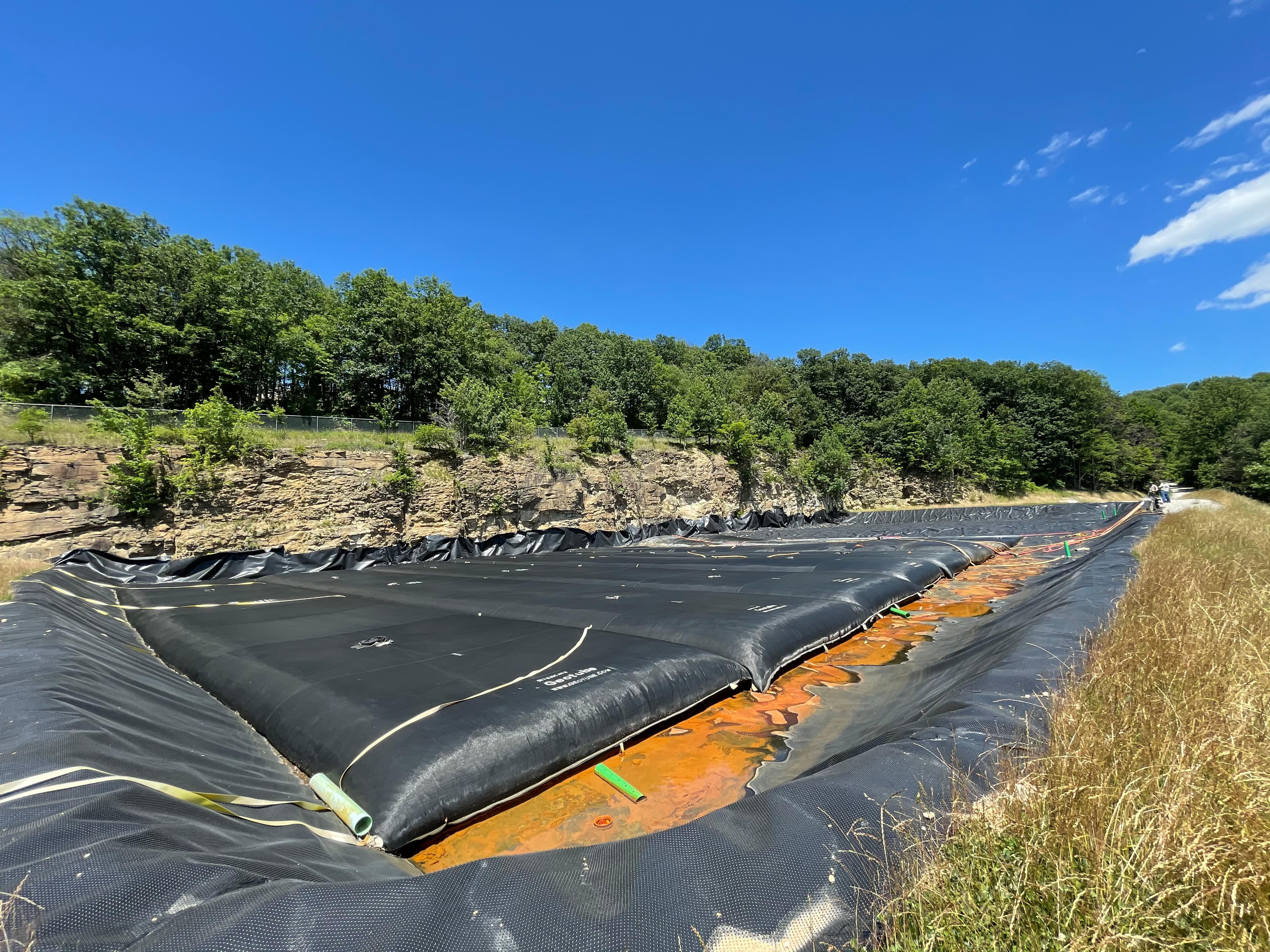
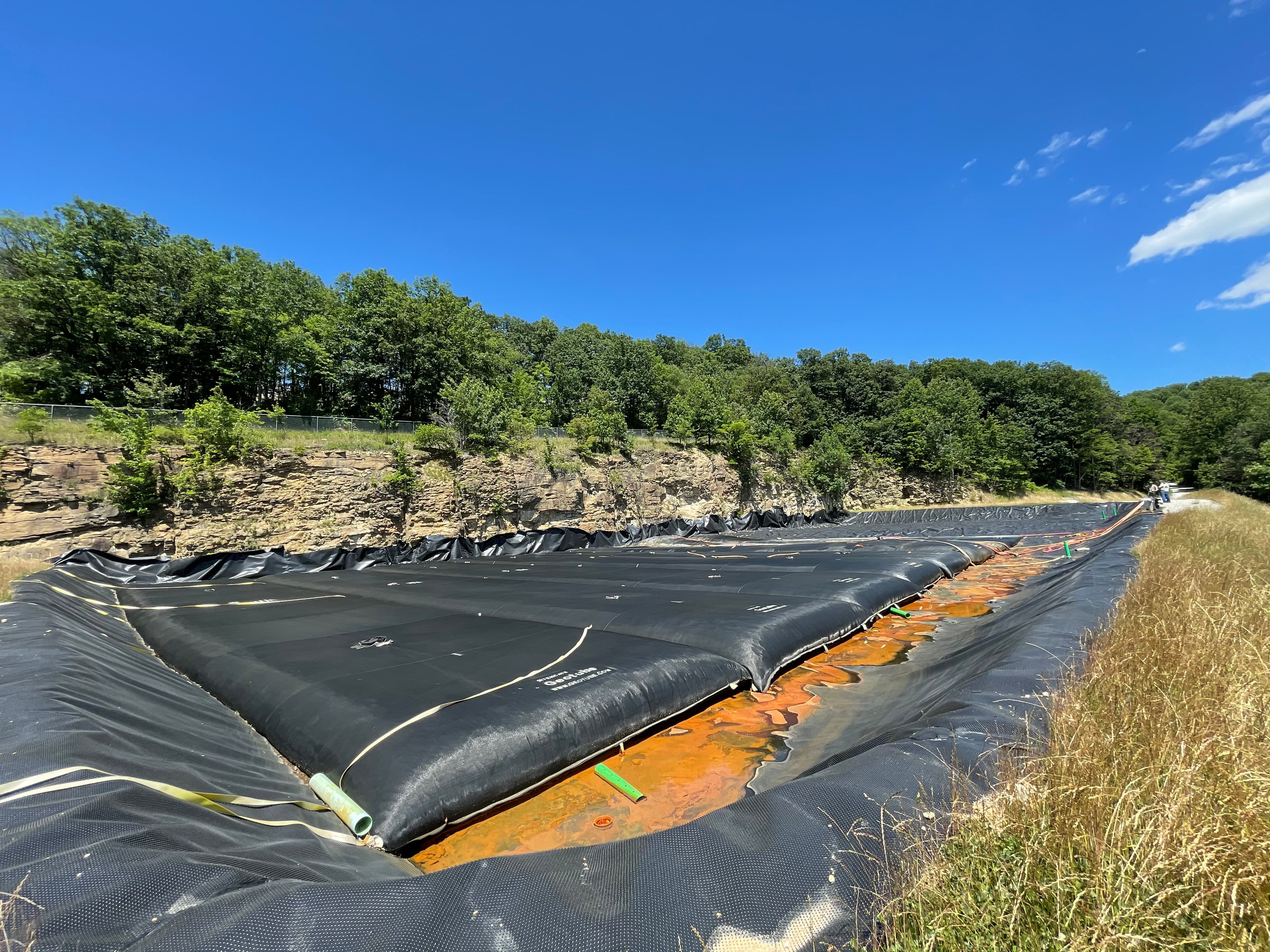
Several GEOTUBE® containment systems in action, dewatering acid mine drainage.
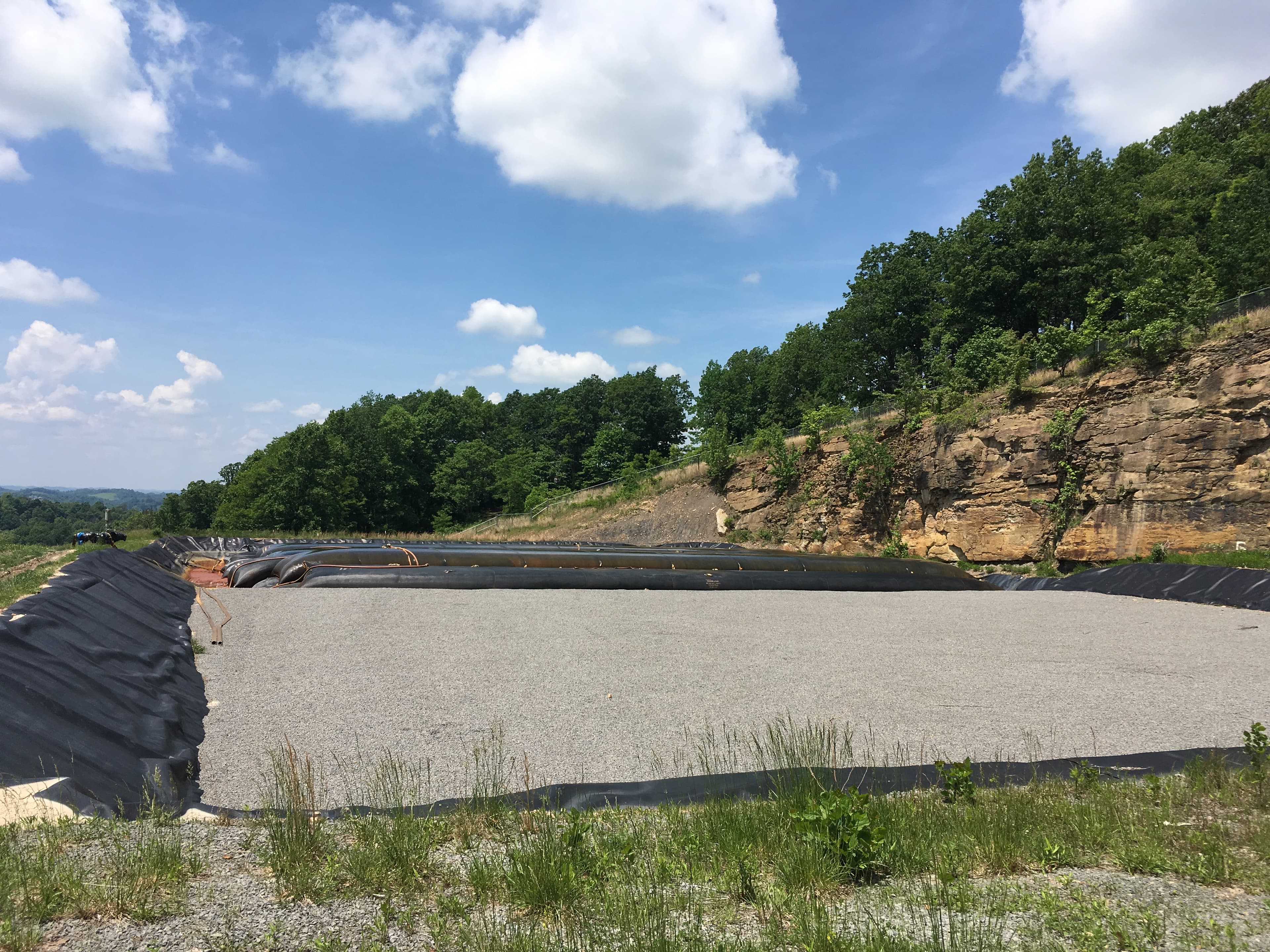
GEOTUBE containers piled next to a new dewatering site.
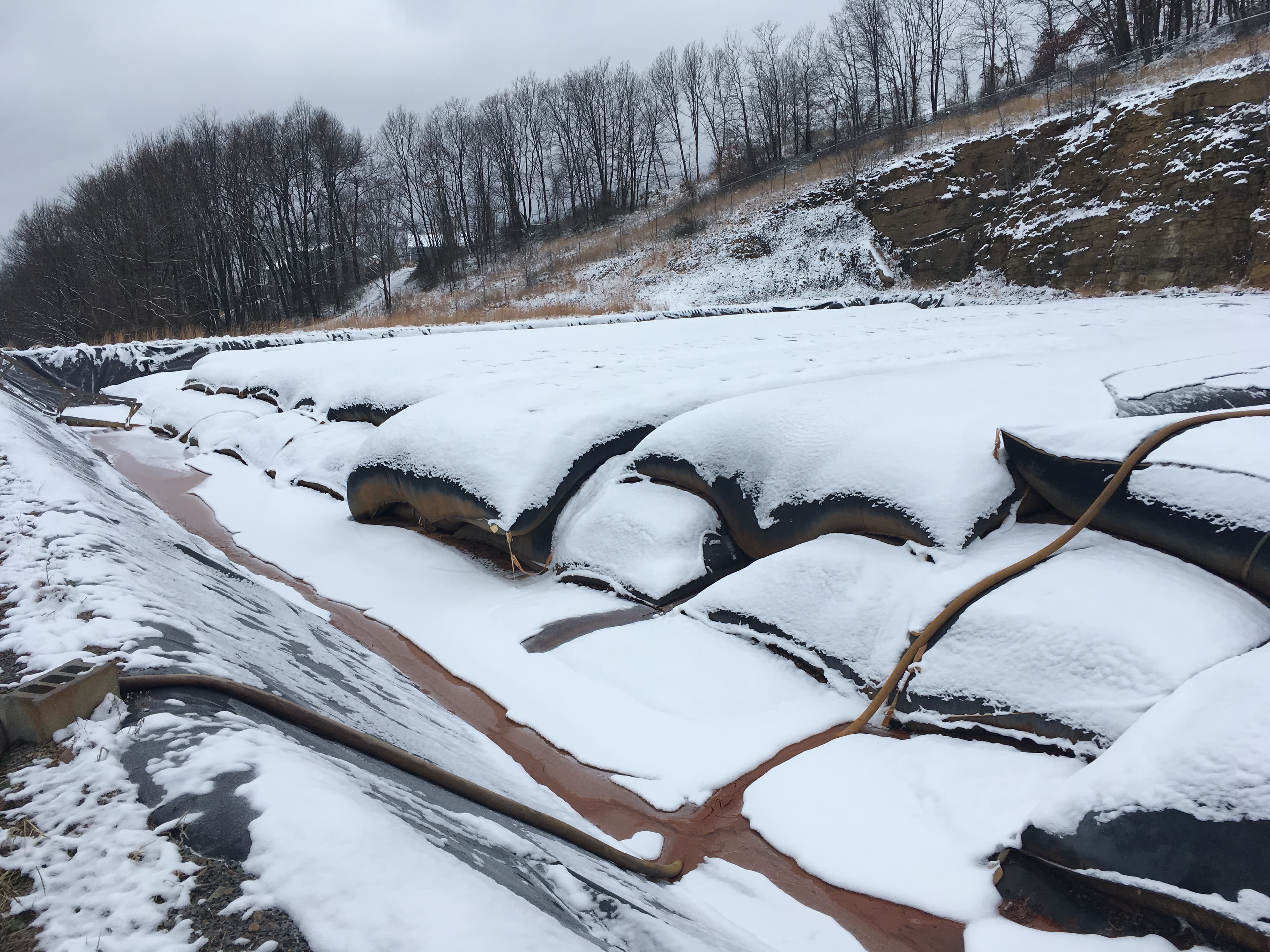
GEOTUBE containers perform well in all four seasons, year after year.
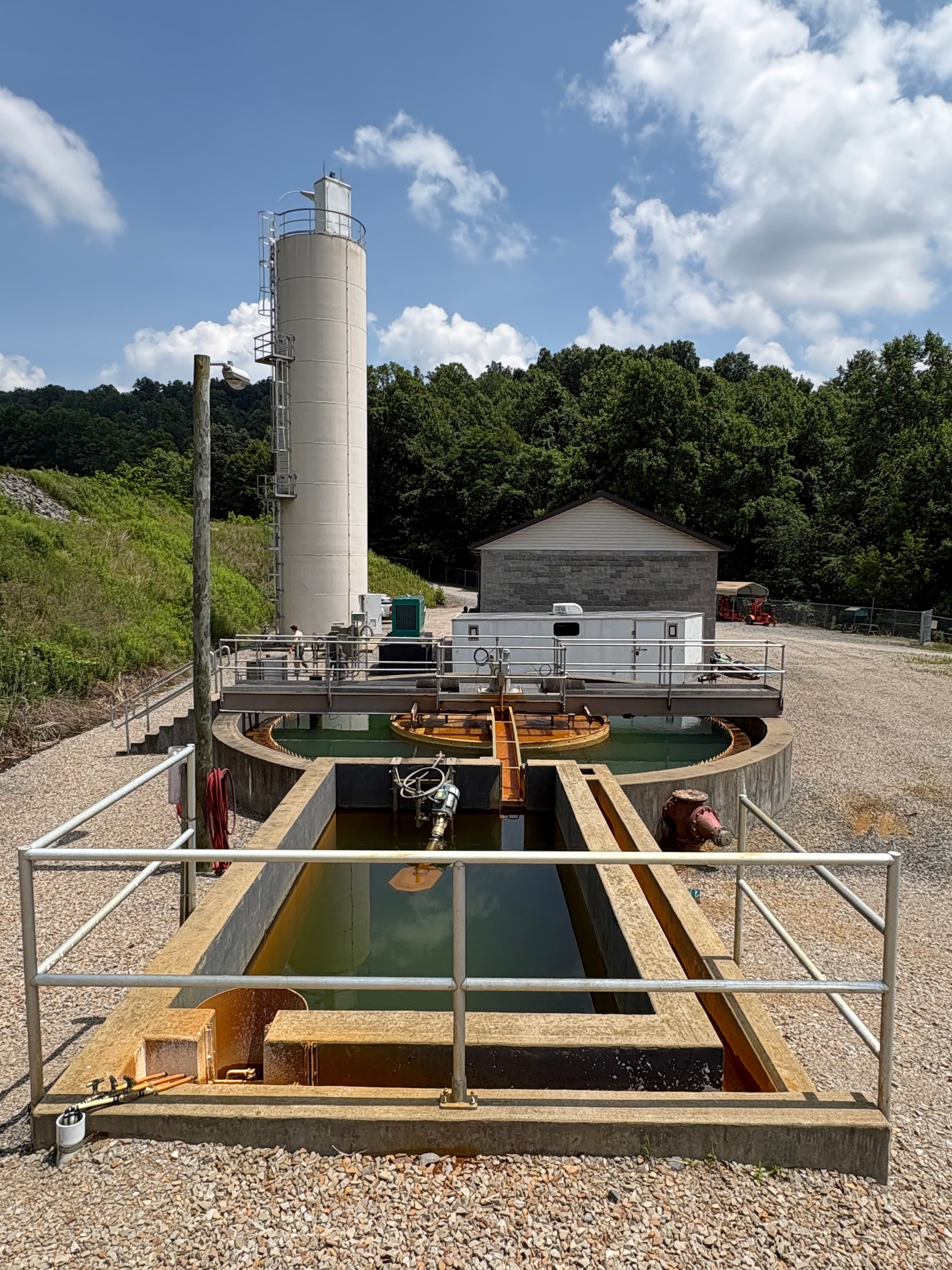
Water treatment system to separate raw AMD into treatable water and slurry.
Lake bank stabilization at Vivid Shores
At Vivid Shores in Bonita Springs, Florida, PROPEX® Armormax®, MIRAFI® FW403 and MIRAFI 140N stabilize lake banks exposed to wind-driven wave erosion. Completed sections are performing as designed.
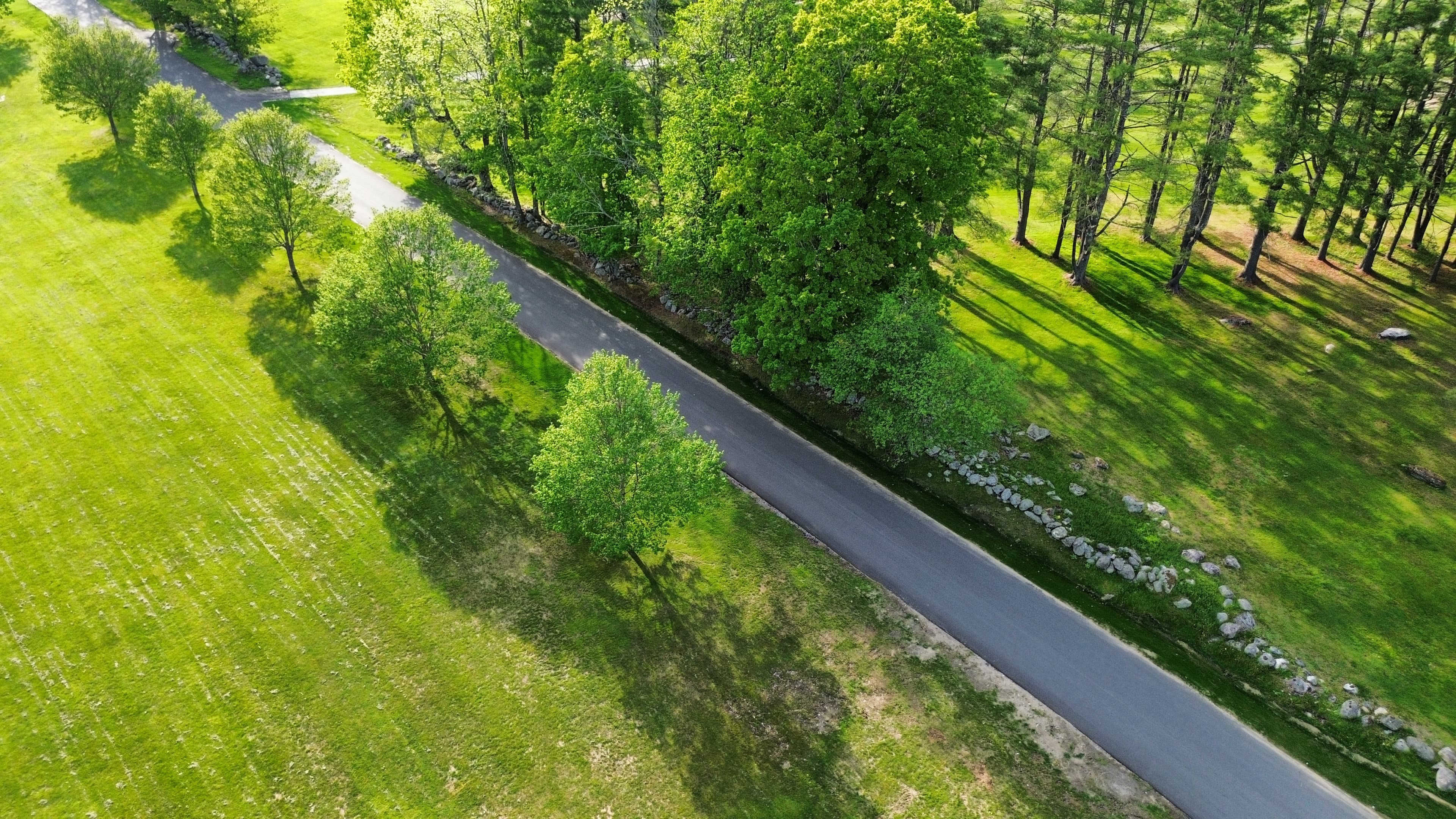
Crowne point country club case study
Crowne Point Country Club rehabilitated a deteriorated Vermont access road with MIRAFI H2Ri, using active moisture management to address saturated soils, frost-related distress and subgrade instability.

GSE HD geomembrane lined salt ponds ensure long-term brine containment
GSE® HD geomembrane lined over 3.4 million m² of evaporation ponds to prevent brine seepage under extreme heat and UV exposure. This continuous barrier eliminated salt discharge and protected the surrounding environment.
Acid mine drainage (AMD) has been a persistent environmental challenge across the Appalachian region for generations. In West Virginia, abandoned mine sites continue to produce acidic, sulfate-rich flows that require long-term treatment to protect surrounding waterways and meet environmental compliance requirements.
At the Omega Mine, located south of Morgantown, West Virginia, the West Virginia Department of Environmental Protection (WVDEP) needed a reliable system to manage AMD from three abandoned mine sources. Depending on the season, the site generated approximately 1.3 to 2.6 yd3/min (1.0 to 2.0 m3/min) of AMD with an average pH of 3.4. In some conditions, pH levels were reported as low as 2.8, reinforcing the need for a treatment strategy capable of handling challenging water chemistry and continuous flow.
AMD forms when sulfide minerals, primarily pyrite, are exposed to oxygen and water during and after mining activity. This reaction produces sulfuric acid and dissolved metals, lowering pH and mobilizing contaminants such as iron, aluminum, and other heavy metals. Once AMD is generated, it can continue to affect water quality long after mining has ended, creating a long-term environmental challenge for owners, regulators, and communities.
At Omega Mine, the challenge was not limited to treating a one-time discharge or removing a fixed volume of material. The site required an ongoing management strategy for AMD generated from three abandoned mine sources. The flow had to be collected, treated, and managed continuously in a way that could handle seasonal variability, low pH conditions, and the steady production of precipitated solids. Traditional approaches to AMD management can require significant operational space, maintenance, and handling. WVDEP needed a system that could support continuous treatment while containing solids efficiently within the available site footprint. The solution also needed to provide reliable dewatering performance without disrupting the treatment process or creating additional environmental risk.
The Omega project required more than a containment area. It required a system approach that could collect AMD at multiple points, chemically adjust the pH, collect and concentrate metal-rich sludge, dewater the settled material, and maintain compliance over the years of operation.
The Omega Mine AMD treatment system has delivered strong dewatering performance and long-term operational value. The slurry entered the GEOTUBE® units at approximately two percent solids by weight. Within seven days, the retained material increased to 45% solids by weight. Within 30 days, it reached 65% solids by weight.
WVDEP designed a centralized AMD treatment system that collected flow from the three abandoned mine sources and pumped it to a central point. From there, the AMD entered an equalization tank, where hydrated lime was injected to raise the pH to 6.0. A small amount of anionic polymer was also added to help agglomerate the precipitated solids and improve separation.
After chemical treatment, the AMD flowed into a clarifier. Within the clarifier, solids settled to the bottom while the clarified liquid continued through the treatment process. As the settled slurry reached a certain level, pumps in the control house automatically transferred the slurry to GEOTUBE GT500 dewatering units deployed in the dewatering cell.
The GEOTUBE units provided a passive dewatering and containment solution for the AMD solids. The slurry pumped from the bottom of the clarifier entered the units at approximately two percent solids by weight. Once inside the GEOTUBE units, solids were retained while water filtered through the engineered geotextile pores. The clear effluent was then returned to surrounding waterways after treatment.
The GEOTUBE dewatering cell also allowed WVDEP to use the site footprint efficiently. As units filled and dewatered, they could be stacked in multiple layers, creating a long-term solids management system within the available area. This approach supported continuous operation while reducing the need for frequent material handling, hauling, or mechanical dewatering.
By integrating GEOTUBE units into the broader treatment train, WVDEP created a system that could manage the physical and chemical demands of AMD treatment while maintaining operational flexibility. The system was designed not only to solve the immediate AMD challenge at the Omega Mine, but also to support years of continued operation.
Since the beginning of operation, the system had operated with no discharge violations. Over 80 GEOTUBE units have been stacked in multiple layers at the site, and the current dewatering cell has enough capacity to receive and dewater the existing AMD flow for another 10 years, while operating 24 hours per day, seven days per week.
That long-term service life is an important part of the project’s value. By continuing to receive and dewater AMD solids within the existing system, the Omega Mine project helps WVDEP avoid recurring costs that can come with alternative solids management strategies. The installation of the GEOTUBE dewatering system resulted in operations that cost less than $21 per ton of dewatered AMD, creating continuous savings as the system remains functional now.
The project also demonstrated value beyond AMD treatment. AMD has been identified as a potential source of rare earth elements (REE), a family of 17 elements used in communication, energy, defense, and aerospace applications. In 2017, the U.S. Department of Defense and U.S. Department of Energy initiated work to identify domestic sources of REE, and the West Virginia Water Research Institute studied AMD as a potential source.
At Omega Mine, dewatered solids retained in GEOTUBE units contained approximately 397 g/t of REE, equating to about 92% REE capture efficiency. The estimated REE value in each GEOTUBE container was approximately $14,820, based on an estimated 56 kg of REE per container at $225/kg. This finding adds immense economic relevance to the environmental benefits of the system, showing how AMD solids may represent a recoverable resource when properly contained and dewatered.
Following the success of Omega Mine, WVDEP expanded its AMD management efforts to more than 20 additional sites. Some of these sites have flow rates up to 10 times greater than the Omega project, demonstrating the scalability of the approach and the role GEOTUBE technology can play in long-term AMD management.
At Omega Mine, GEOTUBE GT500 units helped transform a complex abandoned mine drainage challenge into a controlled, long-term treatment system. The project continues to support environmental compliance, reduce operational burden, and provide additional service capacity.