Overview
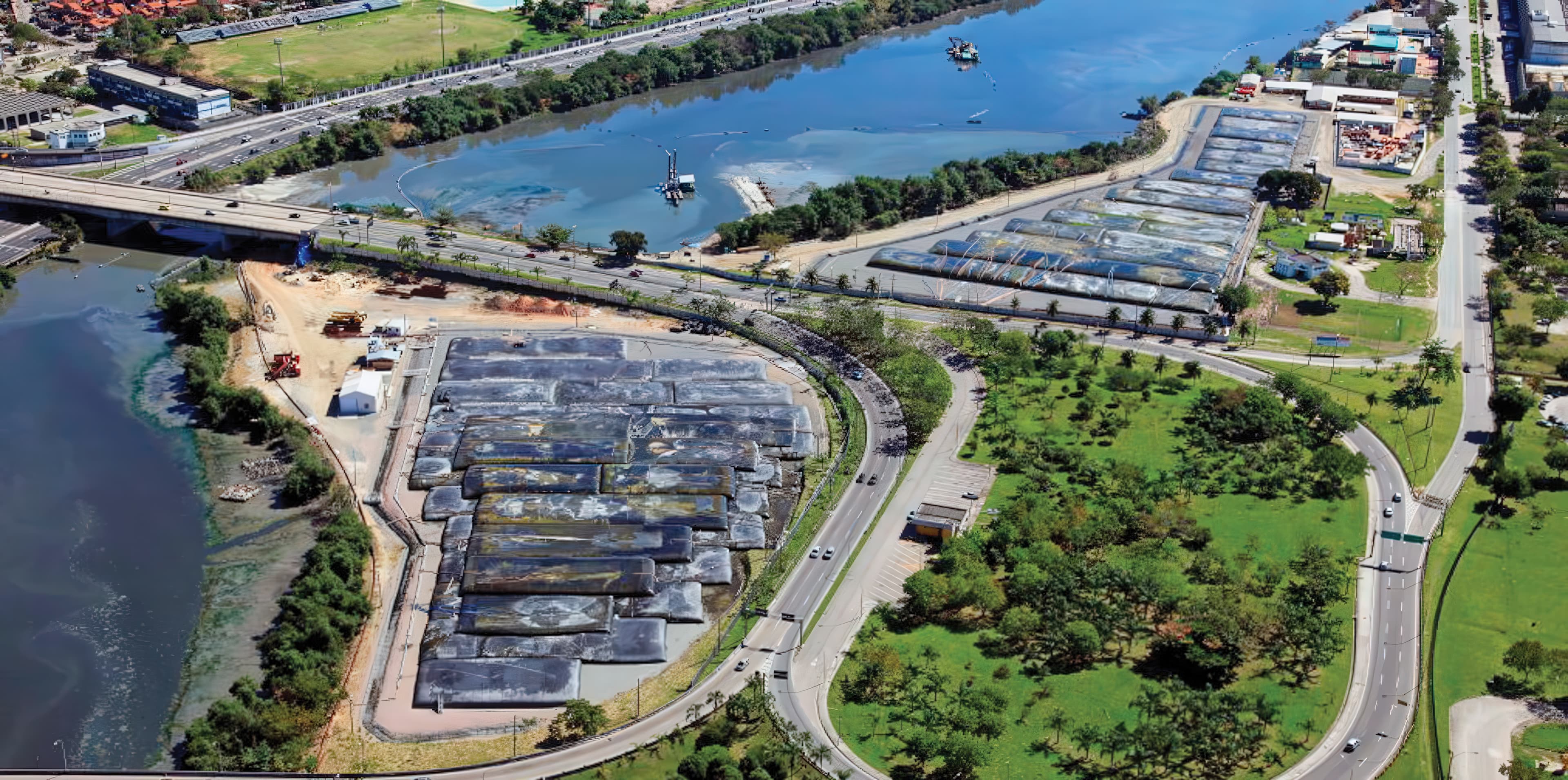
Canal do Fundão, an artificial estuary spanning 6 km (3.73 mi) in length, was created in the early 1950s. This estuarine formation was a result of a substantial land reclamation project undertaken by the Brazilian federal oil company, Petrobrás. Their endeavor led to the merging of eight nearshore islands located adjacent to the Western shore of Guanabara Bay in Rio de Janeiro, culminating in the formation of Fundão Island.
Challenge
As time passed, sediment accumulation in the canal became a significant issue, rendering it incapable of self-flushing for over two decades. Moreover, the growth of various favelas near the canal’s western shoreline resulted in the collection of untreated sewage. Simultaneously, unchecked industrial development discharged waste into the canal. This amalgamation of contaminants, which included domestic and industrial waste, trash, and other debris, made the canal a pressing environmental concern, threatening public health and the environment. Additionally, the canal’s location next to a primary highway connecting Rio de Janeiro to its international airport posed a significant challenge, especially with the forthcoming FIFA World Cup in 2014 and the 2016 Olympics in Rio de Janeiro.
Solution
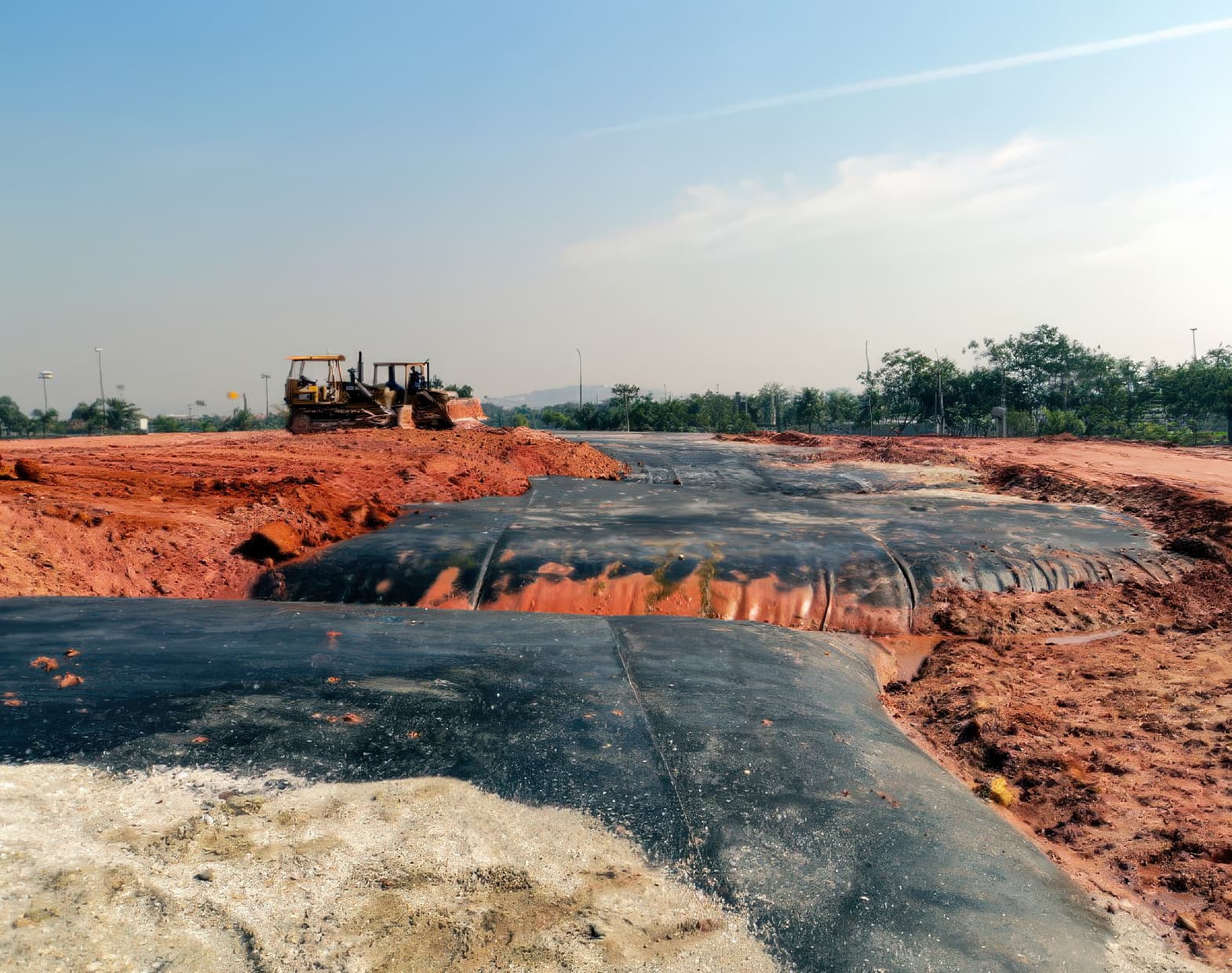
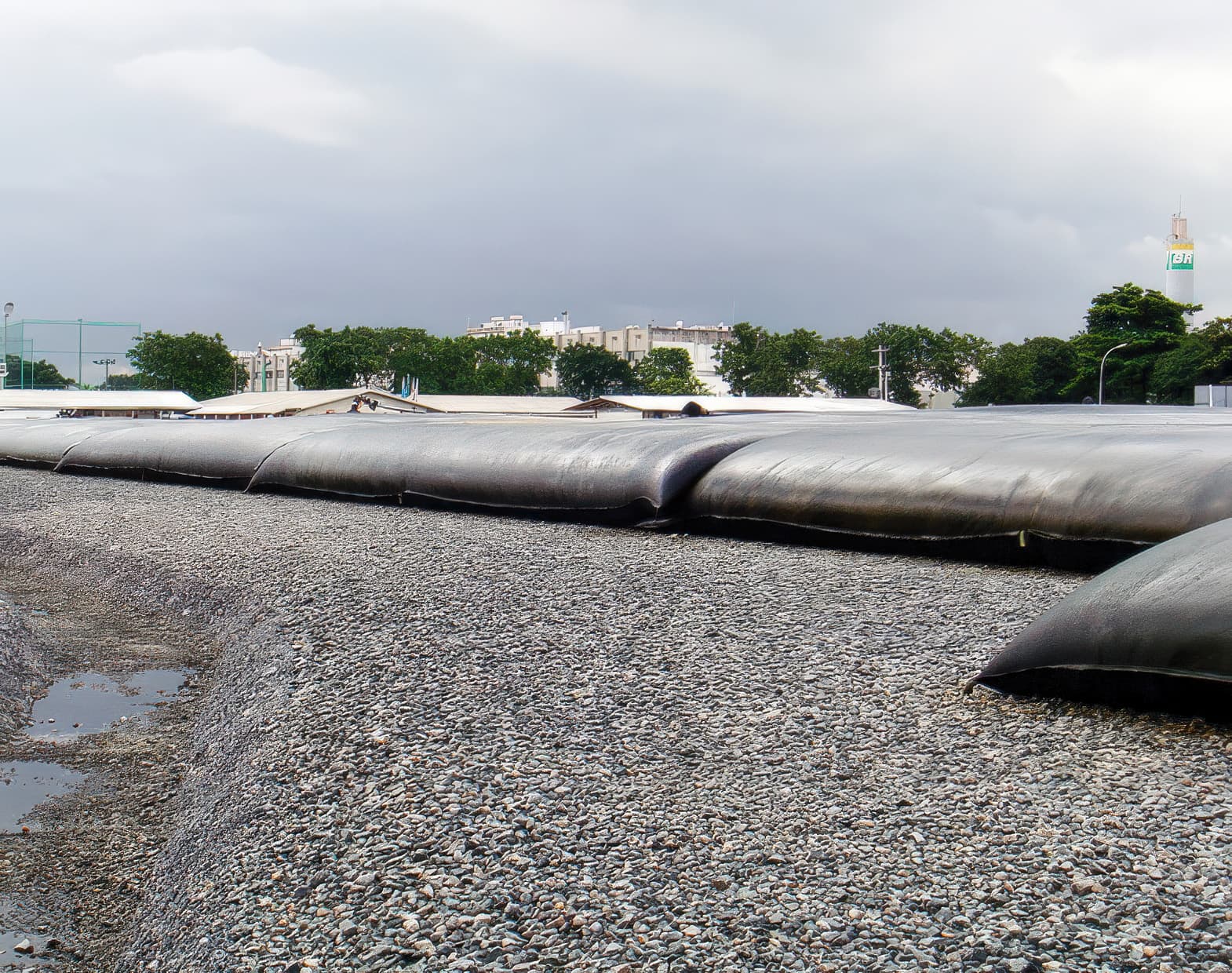
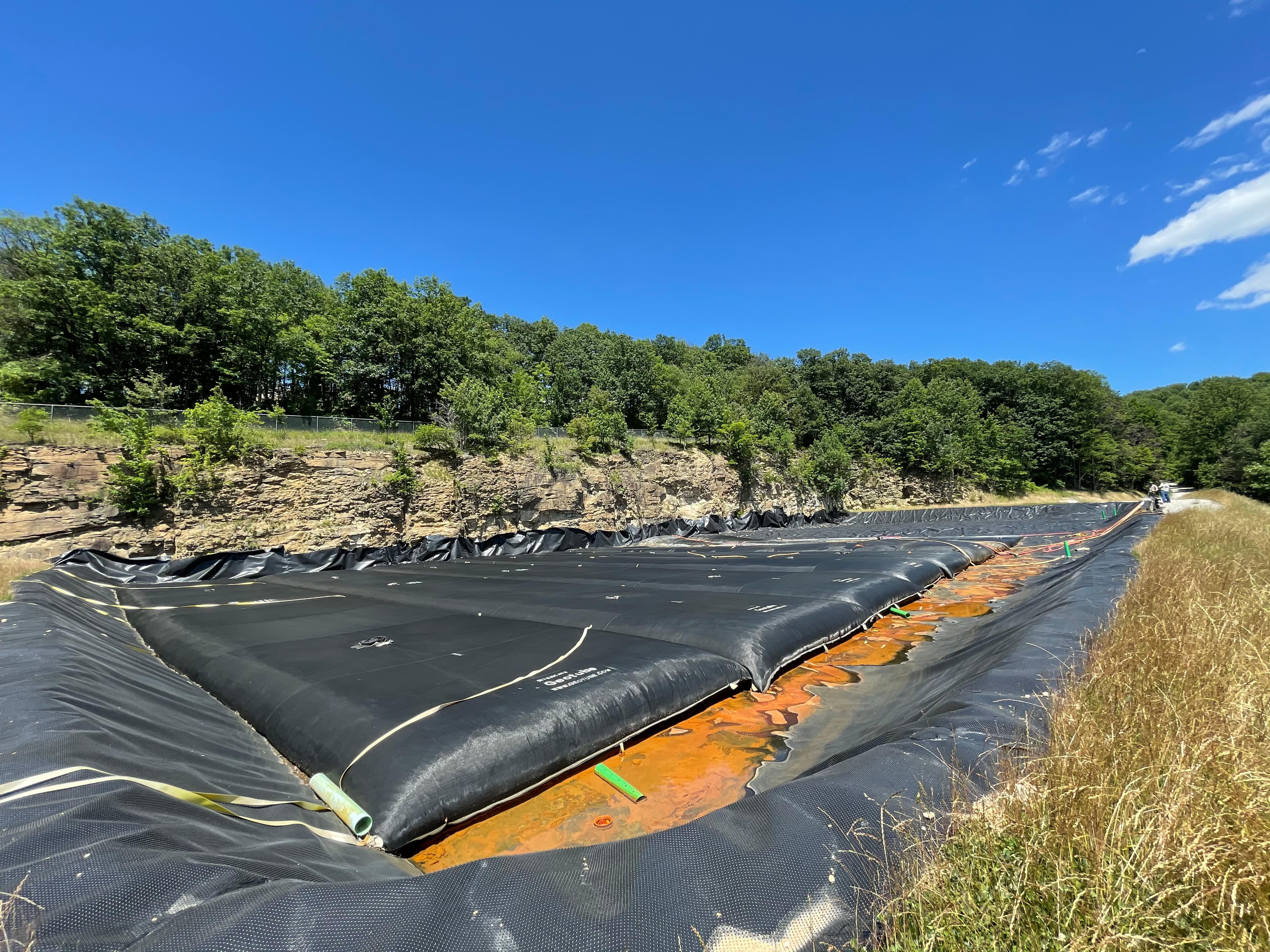
A comprehensive plan was formulated to address the canal’s issues. The approach involved dredging the contaminated sediments to deepen the canal and narrowing its width by reintroducing shallow mangroves on its edges. An accompanying sewage collection and treatment system was also proposed for surrounding areas that previously contributed to the canal’s pollution. Extensive testing was conducted to ascertain contaminant types and levels in the canal. The dredging plan aimed at extracting 2 million m³ (70.6 million ft³) of sediments, of which 600,000 m³ (21.2 million ft³) were identified as contaminated. These sediments would undergo dewatering in specialized cells on Fundão Island using GEOTUBE® technology. Post-dewatering, the cells would be capped, vegetated, and integrated into the island’s natural landscape, complete with biking and jogging trails. The meticulous execution of this plan has significantly improved Canal do Fundão’s health and aesthetics.