Do you care if it leaks?
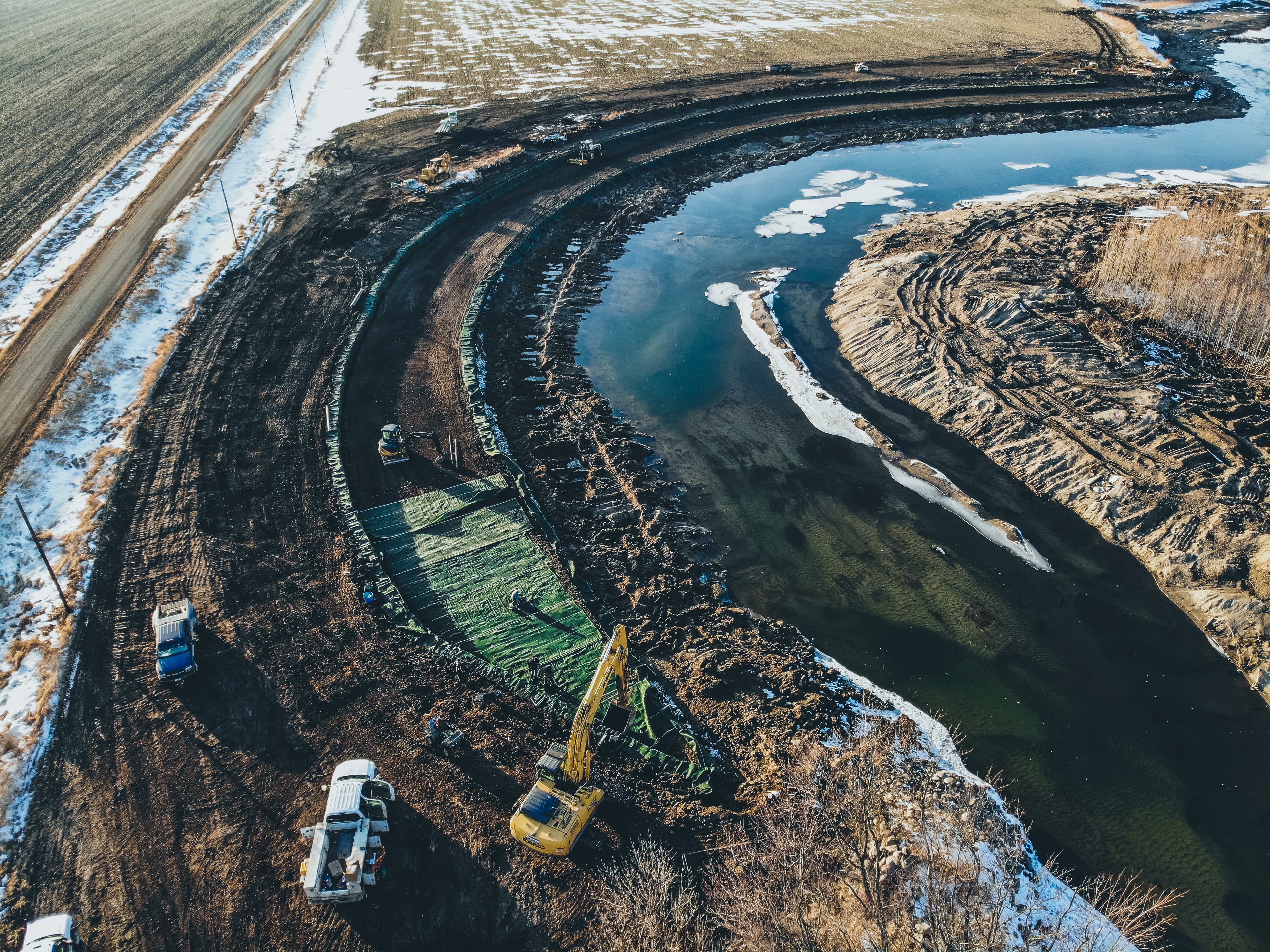
As extreme weather events become more frequent, more intense and more disruptive, infrastructure owners and engineers are under growing pressure to improve resilience while managing long-term environmental and performance demands. In erosion control and hydraulic applications, nature-based solutions (NbS) are gaining attention because they help protect infrastructure while working with natural systems instead of relying only on conventional hard-armoring approaches.
A NbS uses natural processes or natural features to address engineering and environmental challenges. In practice, this often means incorporating natural vegetation, soil systems and hydrology into infrastructure design so that NbS support the way landscapes naturally function. In erosion control applications, this approach can help reduce risk, improve long term performance, increase resiliency, and better align infrastructure with its surrounding environment.
At their core, NbS are built to preserve and support the protective functions already found in natural systems. For example, vegetation can slow runoff and shield the soil surface from rainfall impact, reinforce the soil through root development, and help filter sediment and pollutants while reducing the carbon footprint. When these natural processes are combined with engineered reinforcement, the result is a more resilient system that can deliver lasting erosion protection and multiple environmental benefits while maintaining a natural appearance.
Flooding, surficial slope instability and erosion place an increasing stress on roads, embankments, drainage channels, spillways and waterways. As hydraulic forces intensify, soils can lose strength, soils can fail, and sediment can be carried downstream, affecting both infrastructure performance and water quality. Traditional systems like riprap, concrete, and gabions, that were designed around older assumptions may no longer provide the level of resilience and environmental benefits many sites now require. This is one reason that engineered NbS are gaining more attention. Rather than focusing only on resisting damage with rigid or hard materials, they help reduce risk by improving a system's ability to adapt, recover, and continue to perform.
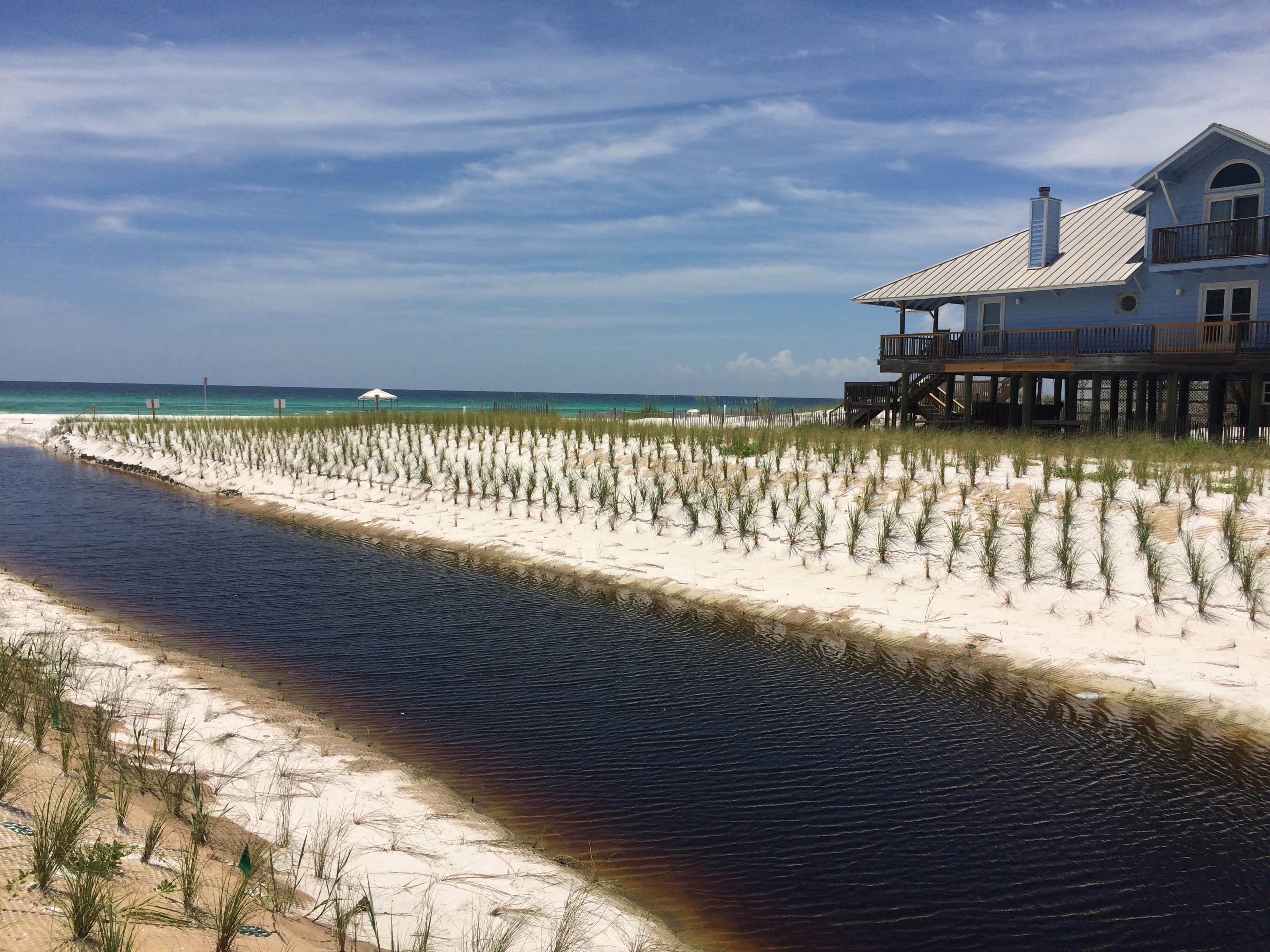
Engineered NbS are used across a wide range of infrastructure applications. Common examples include roadside slopes, embankments, stormwater channels, shorelines, stream banks, spillways, outfalls and other flood-prone areas where erosion and scour threaten long-term stability. In these environments, vegetation often plays an important role, but vegetation alone may not always be enough. Temporary erosion control products like straw, hydromulch, or erosion control blankets can support establishment, but they do not provide the long-term hydraulic performance of permanent reinforced systems. That creates a gap between short-term stabilization and long-term resilience.
Engineered NbS help close that gap by combining and reinforcing natural systems with permanent solutions. This allows designers to preserve the benefits of vegetation while adding the structural support needed to perform under severe hydrology, hydraulic, and non-hydraulic stresses.
Traditional permanent erosion control approaches often rely on hard armoring such as riprap, concrete, and gabions. While these methods can provide immediate protection, they may also come with tradeoffs. Hard-armored systems can be expensive to transport and install, difficult to adapt to steep slopes, more disruptive to the surrounding landscape, limited to nonexistent environmental benefits, emit a large carbon footprint, and costly to inspect or repair in some cases, they may shift hydraulic impacts downstream rather than fully reduce risk.
Engineered NbS offer a more balanced approach. Instead of replacing vegetation and soil processes, they strengthen them. Reinforced vegetated systems can improve erosion resistance while still promoting infiltration, supporting groundwater recharge, reducing sediment transport, filtering pollutants, lowering the carbon footprint, and maintaining a more natural interface with the surrounding environment.
They can also become stronger over time. As vegetation matures and roots systems expand, the interaction between plant growth and engineered reinforcement can improve soil stability and erosion resistance. That means the system is not just resisting erosion mechanically- it is also benefiting from natural development in a way that rigid hard armored systems cannot.
In visible, public-facing environments such as roadside channels and urban drainage corridors, this approach can also provide a more natural appearance and better community acceptance while reducing thermal pollution, as opposed to exposed rock or concrete.
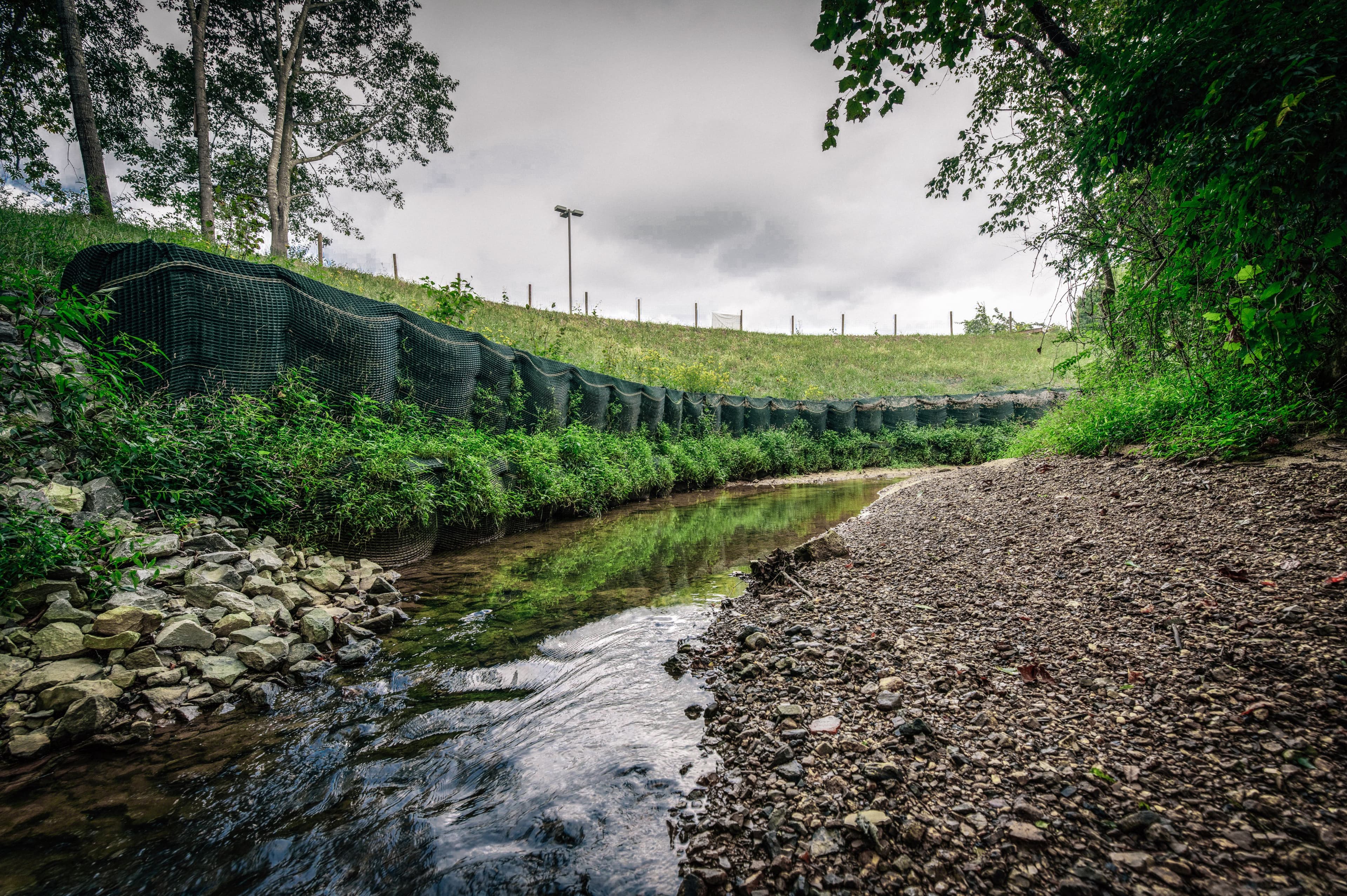
Successful NbS still depend on sound engineering. In many applications, reinforced vegetated systems rely on permanent solutions such as HPTRMs and TRMs to anchor root zones, improve erosion resistance, and support long-term performance under hydraulic and maintenance-related stresses. In more demanding applications, Engineered Earth Armoring Systems®, like PROPEX® Armormax®, can provide additional reinforcement for surficial slope stability and extreme hydraulic loading while maintaining a vegetated surface.
In FEMA’s Building Resilient Infrastructure and Communities (BRIC) program, NbS are defined as sustainable, natural, or engineered nature-based strategies that manage risk from hazards like floods and wildfires while providing environmental, social, and economic benefits. As part of the BRIC program, FEMA’s Mitigation Action Portfolio highlights real-world mitigation projects that use resilient, nature-based design approaches, and PROPEX Armormax projects have been featured as examples of this type of flood-mitigation strategy.
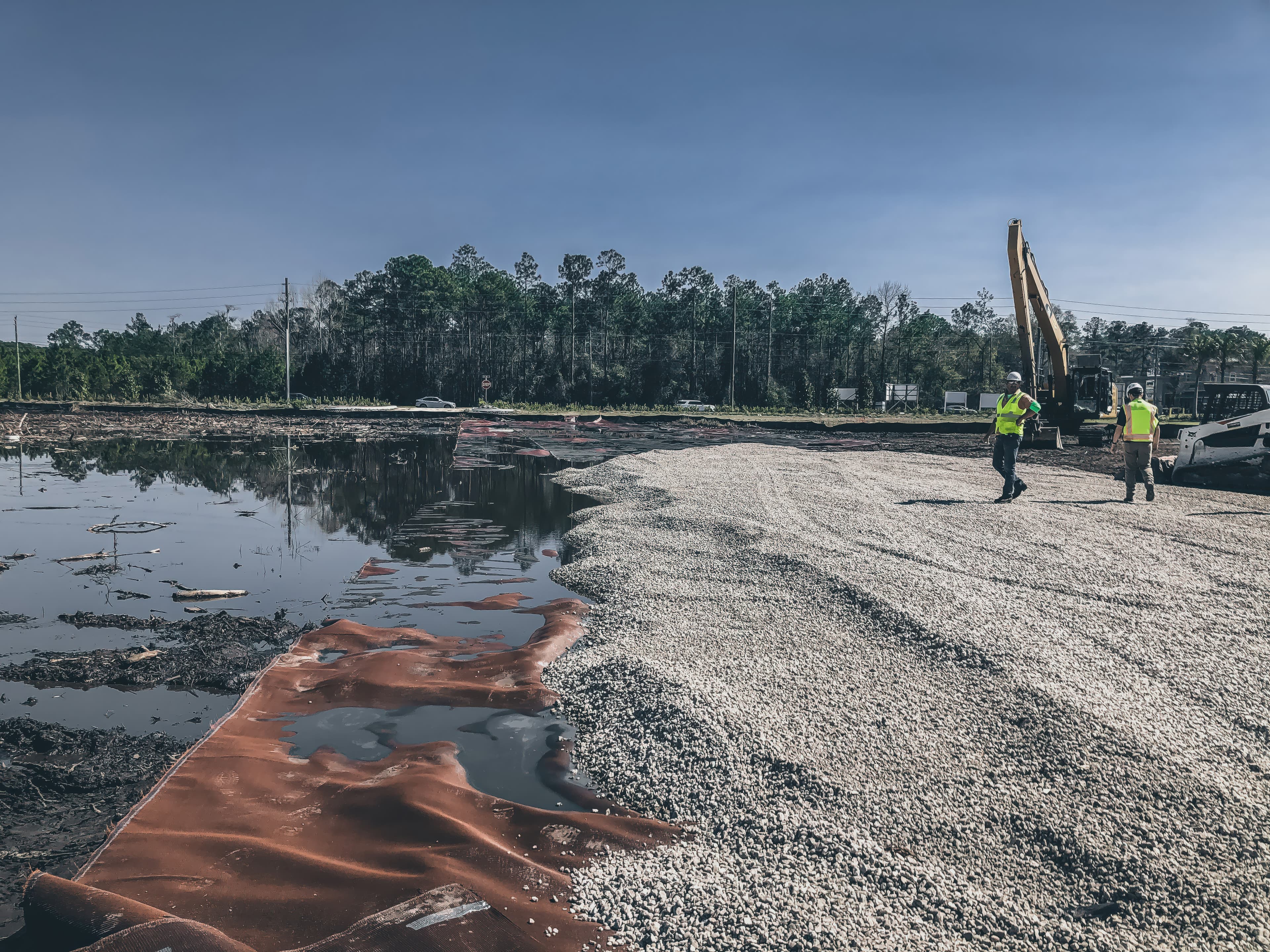
For even more severe conditions, vegetated structural systems, like PROPEX Scourlok® and PROPEX Pyramattress®, can help protect stream banks, channels, spillways and outfalls where scour and hydraulic stress exceed the limits of lighter vegetated solutions, HPTRMs, and TRMs.
This range of approaches makes engineered NbS practical across a broad spectrum of site conditions. Rather than forcing designers to choose between vegetation and performance, these engineered NbS make it possible to achieve both.
One of the strongest advantages of engineered NbS is that their value extends beyond erosion control and surficial slope stability alone. When properly designed, they can contribute to water quality improvement by reducing sediment transport, filtering pollutants, enhancing groundwater recharge, and absorbing nutrients. Per the United States Environmental Protection Agency report on Storm Water Technology, “...the ability of vegetation to entrap and retain sediment increase with blade length and cross-sectional area of the vegetation, with retention rates ranging from 30 percent to 70 percent.” (Office of Water, EPA, 1999). By utilizing the robust strength and longevity of an engineered NbS, natural processes are greatly enhanced and can effectively support long-term water quality improvement. They can also support wildlife considerations by establishing habitats, increasing carbon sequestration, improving visual integration with the site, and preserving infiltration pathways that help regulate downstream impacts.
Durability is another important part of the equation. Infrastructure protection systems must perform not only under hydraulic stress, but also under non-hydraulic stresses like construction equipment, maintenance traffic, debris loading, wildlife, UV exposure and other long-term service conditions. Reinforced vegetated systems designed for these realities can provide a durable solution while preserving the functional and environmental advantages of vegetation.
From a cost perspective, engineered NbS can also improve the total cost of ownership. Faster installation, lower material demands, localized repairs and reduced long-term maintenance can make them an attractive alternative to more rigid traditional systems, especially when projects are evaluated holistically instead of only by initial appearance or convention.
For a broader perspective on resilient infrastructure design, explore our blog on long-term solutions for climate change resilience.
For engineers, owners, and decision-makers, the value is clear. Engineered NbS can help reduce risk while supporting natural systems that stabilize soil, manage water, and improve site resilience over time. In many applications, the most effective approach is not to replace the landscape with rigid hard armor, but to reinforce its natural protective functions with engineered performance. By working with nature rather than against it, engineered NbS can help create infrastructure that is more resilient, more adaptive, and better aligned with long-term projects goals.
Office of Water, & EPA, M. T. B., 2 Storm Water Technology fact sheet: Turf reinforcement mats (1999). Washington, D.C; U.S. Environmental Protection Agency, Office of Water.