World’s largest pit thermal storage in Vojens
In Vojens, Denmark, a 200,000 m³ pit thermal storage basin stores surplus solar heat from a 70,000 m² collector field. Using Solmax geosynthetics, the system reduces CO₂ emissions by 6,000 tons annually.

RCD Español de Barcelona is one of the oldest La Liga football clubs in Spain. The construction of a new stadium to replace the existing one began in 2005. The aim was to create a football stadium that was safe and modern, and blended in well with the surrounding community. The proposed site for the new stadium was in the city of Cornella, close to Barcelona city.
A geotechnical investigation of the proposed stadium site showed that there was a substantial stratum of anthropic material varying in thickness between 4 m and 13 m over the site. This anthropic material was the remains of an old solid waste landfill site that consisted of solid industrial and construction waste (but no organic waste). This stratum has a history of localized differential settlements and collapse due to differential movements between the various solid waste components in the stratum. The soil layers above this anthropic stratum have a history of collapsing and forming sinkholes or surface depressions when subjected to groundwater entry. As the proposed stadium would consist of large areas where surface water could enter the foundation, it was recognized that special treatment would be required to prevent potential sinkholes and surface depressions from forming after completion. A detailed analysis of the likely magnitude of the sinkholes and depression formations due to the anthropic stratum was carried out, with 4 m diameter being the maximum likely. This void size was used as the basis for the design of the foundation platform. At the ground surface, the maximum allowable differential deformation was limited to 2% for any void forming in the anthropic stratum up to 4 m in diameter. This threshold is consistent with design limits for road pavements and was also considered appropriate for high-quality football fields.
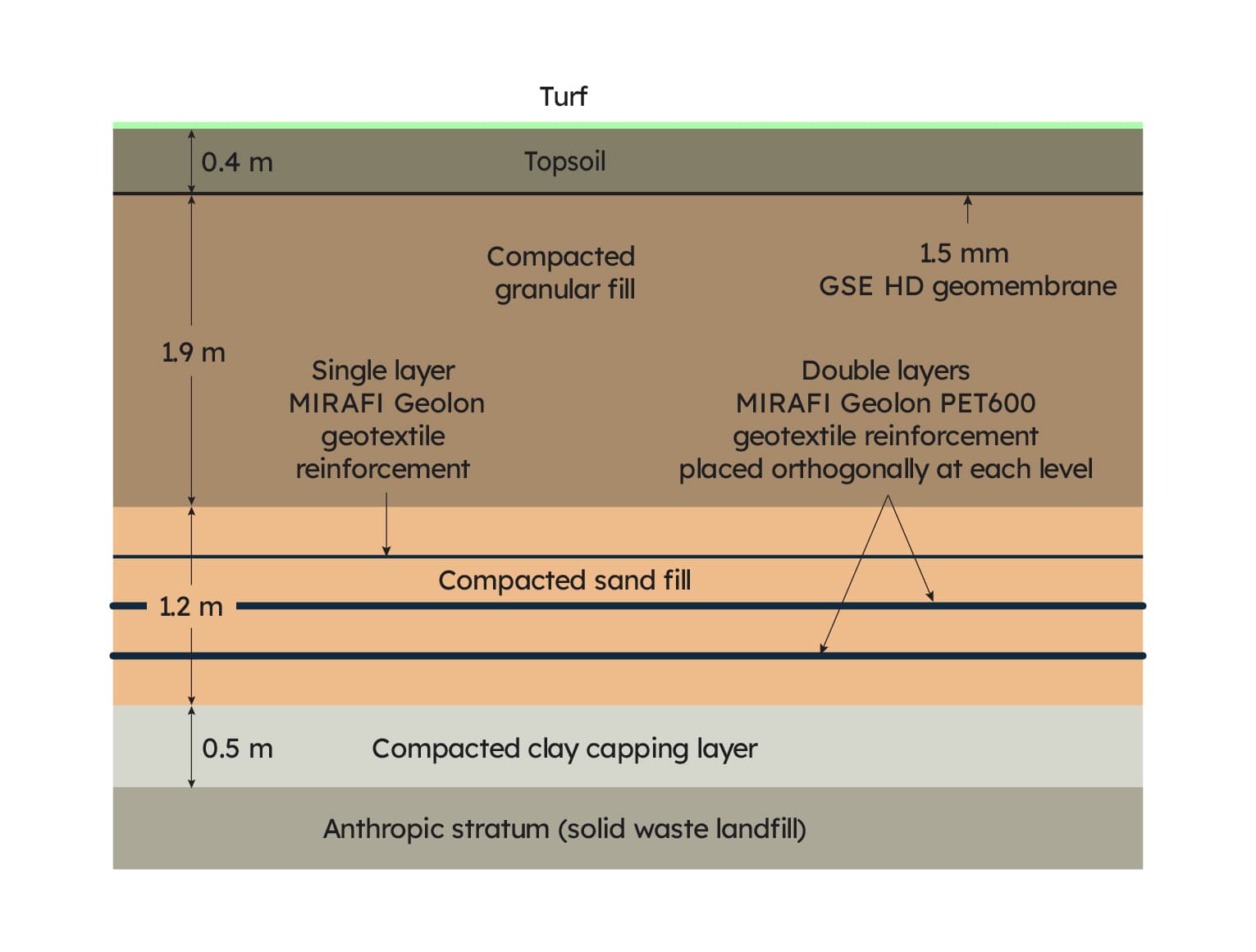
To meet this surface differential deformation requirement, three complementary components were required for the foundation: (1) a minimum 4 m thickness of well-compacted fills above the anthropic stratum, (2) a basal reinforced support system, and (3) an impermeable layer to prevent surface water ingress. The treatment of the anthropic stratum was carried out as follows. Any anthropic material within 4 m of the final ground surface was removed. A 0.5 m thick compacted clay capping layer was placed directly across the top of the anthropic stratum to act as a sealing and bridging layer. A 1.2 m thick compacted sand reinforced platform was then constructed on top of the clay layer. This platform was designed to meet surface differential deformation limits based on a 4 m design void diameter. To achieve the required performance, five layers of MIRAFI® Geolon PET600 geotextile reinforcement were installed at 0.3 m vertical spacings within the sand fill. MIRAFI Geolon PET600 has a tensile strength of 600 kN/m and is composed of high modulus, high-strength polyester yarns, offering excellent long-term load-carrying capacity. In the bottom two levels, double layers of MIRAFI Geolon PET600 were installed orthogonally. In the upper levels, a single layer was used. Heavy compaction of the sand was required to reach 100% standard proctor density. On top of the reinforced platform, a 1.9 m thick layer of granular fill was placed and compacted to achieve a deformation modulus greater than 20 MPa. A 1.5 mm thick HDPE geomembrane was then installed across the top of the granular layer, connecting to both surface and subsurface drainage systems to prevent water infiltration. Finally, a 0.4 m thick topsoil layer was placed and compacted, incorporating the football field drainage system and natural grass package. The stadium was completed in 2009 and is considered the most modern in Spain. It has since been awarded a top 4-star rating by UEFA, the European Football Association.

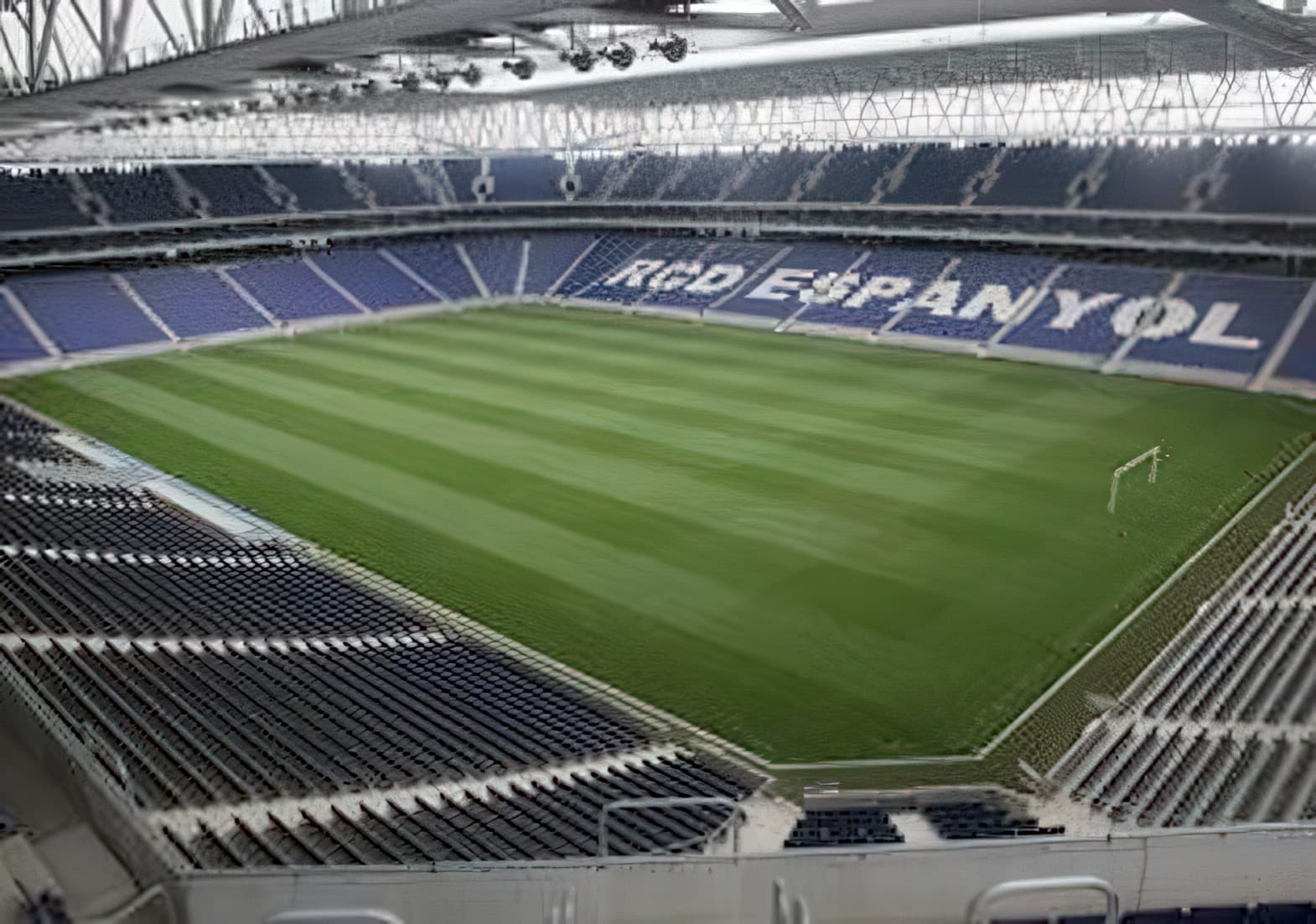
Completed football stadium

Cross section details through the reinforced foundation

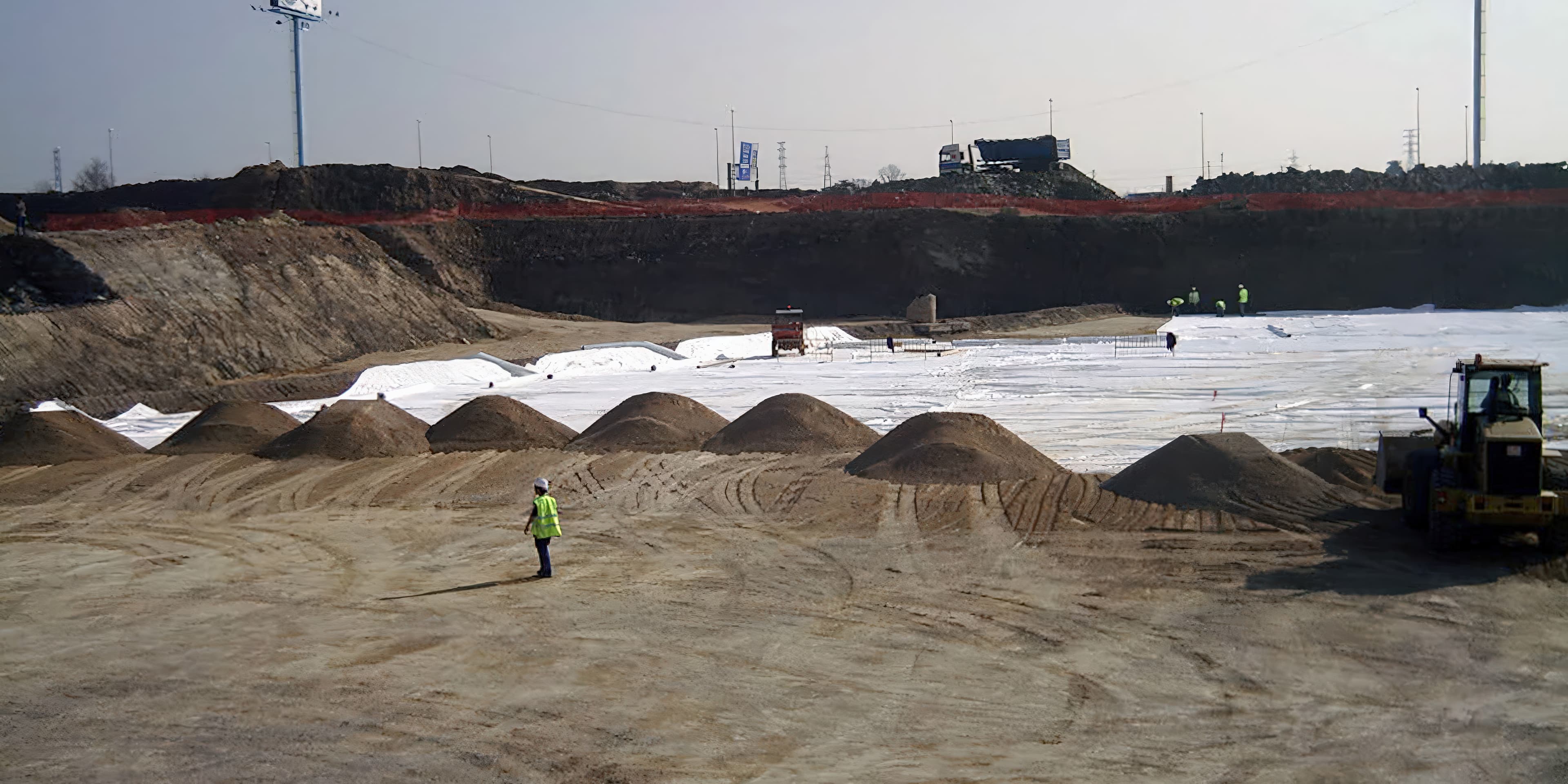
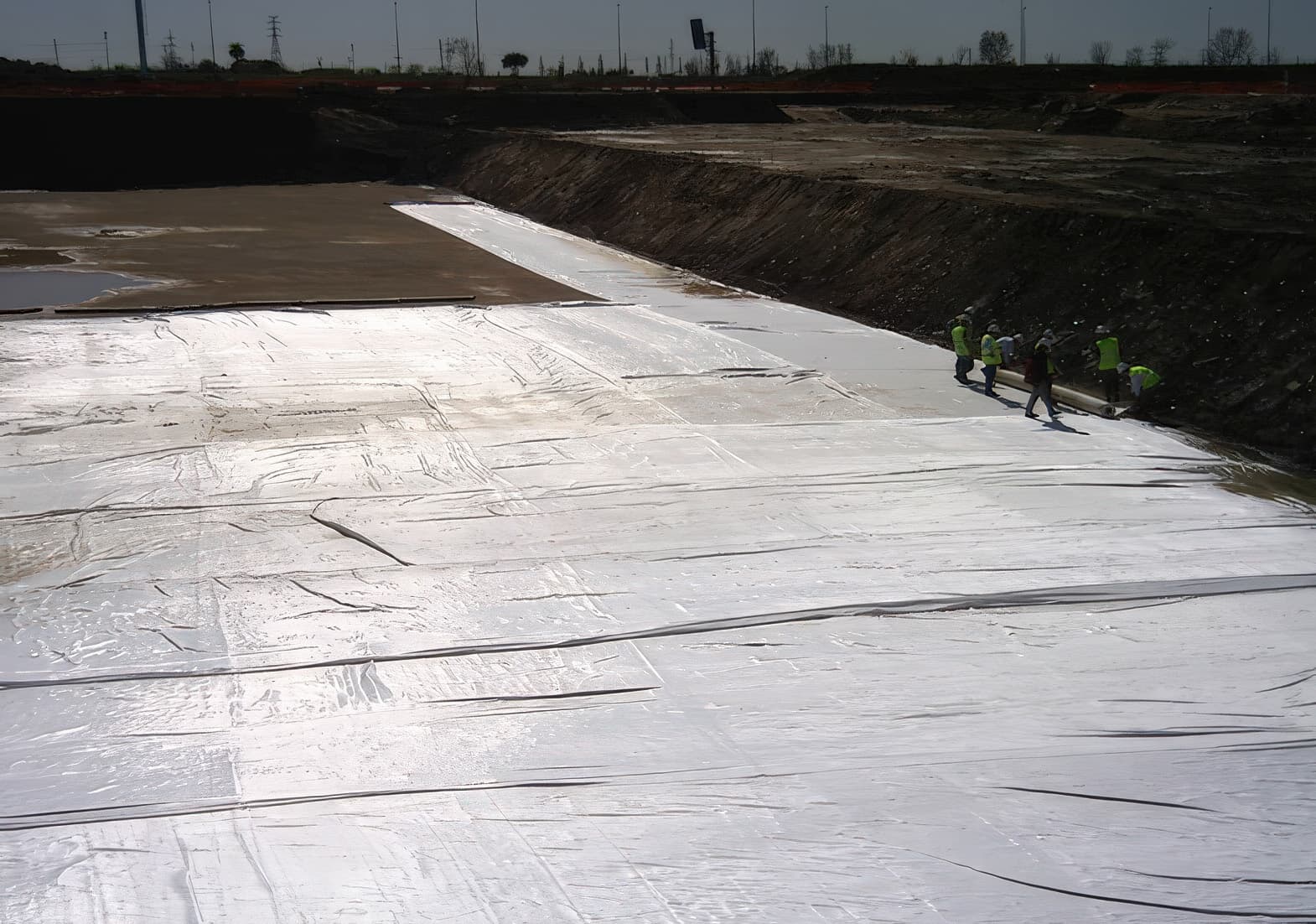
nstalling MIRAFI across base of excavation

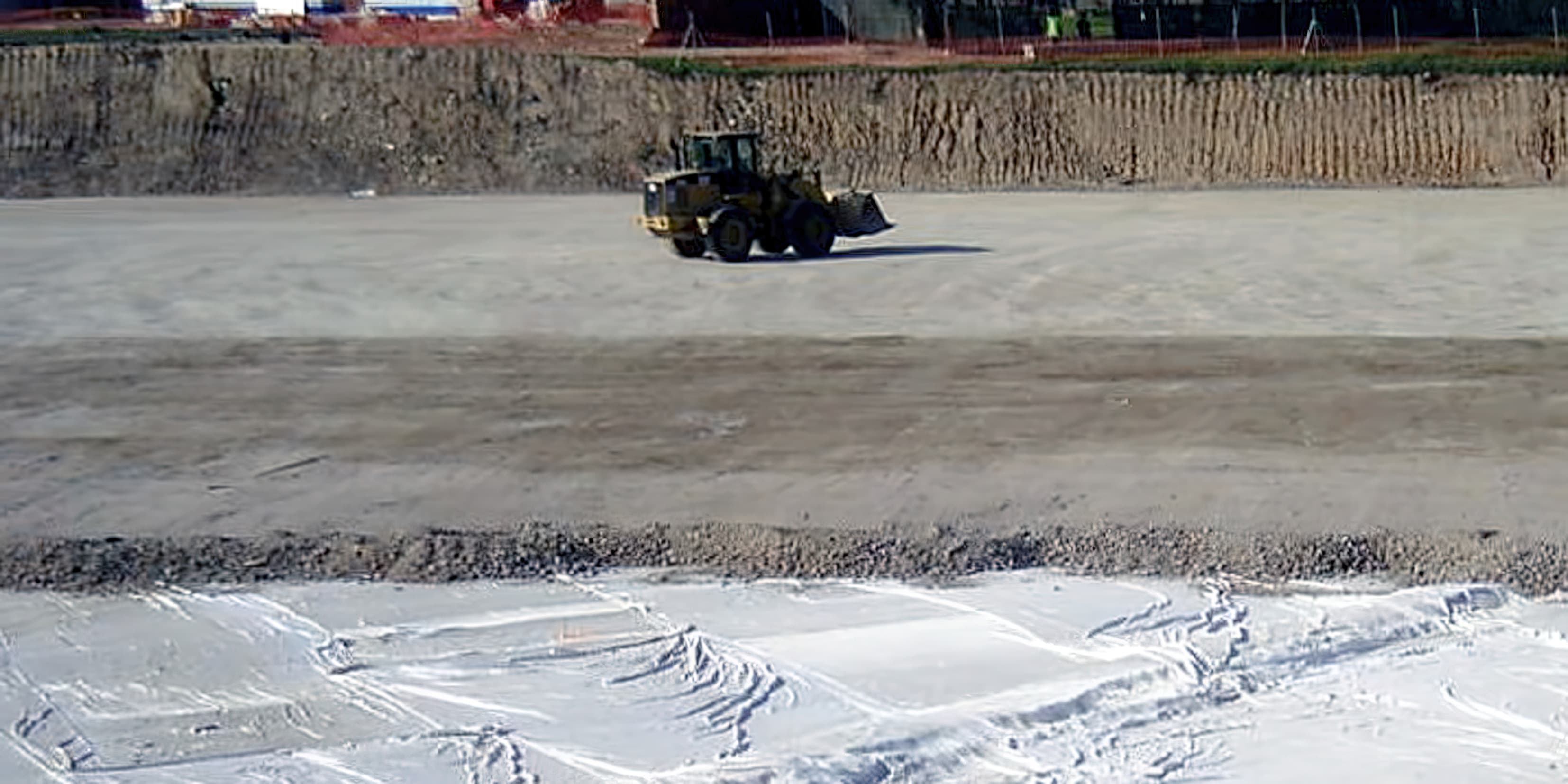
Placing and compacting granular fill
World’s largest pit thermal storage in Vojens
In Vojens, Denmark, a 200,000 m³ pit thermal storage basin stores surplus solar heat from a 70,000 m² collector field. Using Solmax geosynthetics, the system reduces CO₂ emissions by 6,000 tons annually.
Pit thermal energy storage in Gram, Denmark
In Gram, Denmark, a 122,000 m³ pit thermal energy storage with a 44,800 m² solar collector field provides 18,000 MWh of heat annually. Solmax geosynthetics ensure safe high-temperature storage and reduce CO₂ emissions by 3,700 tons per year.
Capping the Akuedo landfill site in the middle of the city for safe public reuse with a geosynthetic system
An urban landfill in Ivory Coast was securely capped using a geosynthetic barrier system, enabling conversion into a public park while protecting communities, meeting French landfill regulations, and ensuring long-term containment performance.