Managing differential settlement on soft landfill soils with MIRAFI
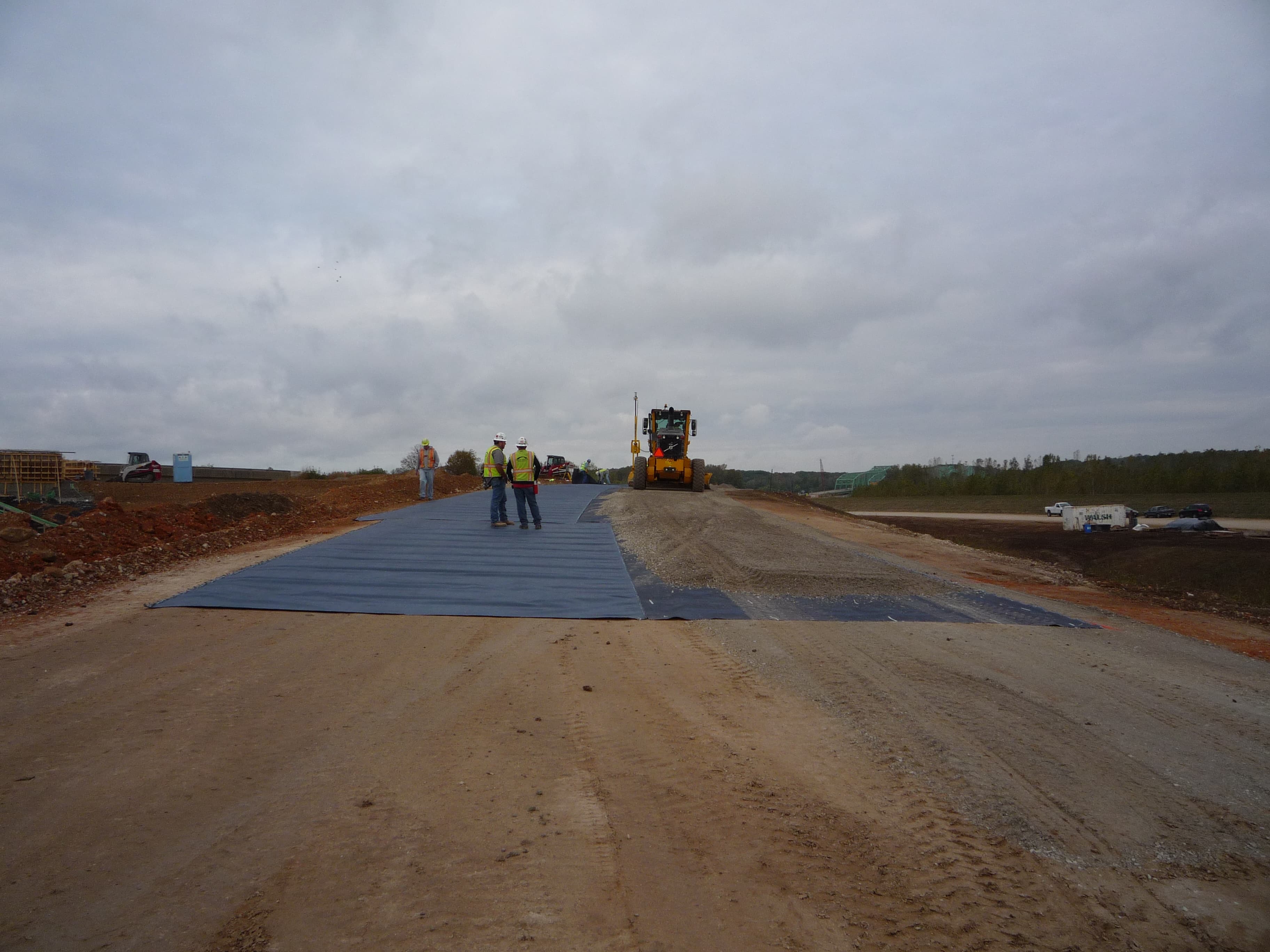
MIRAFI® RS380i stabilized pavements at FLETC Charleston over soft marine clays and landfill soils, reducing settlement risk while improving constructability and lowering costs.
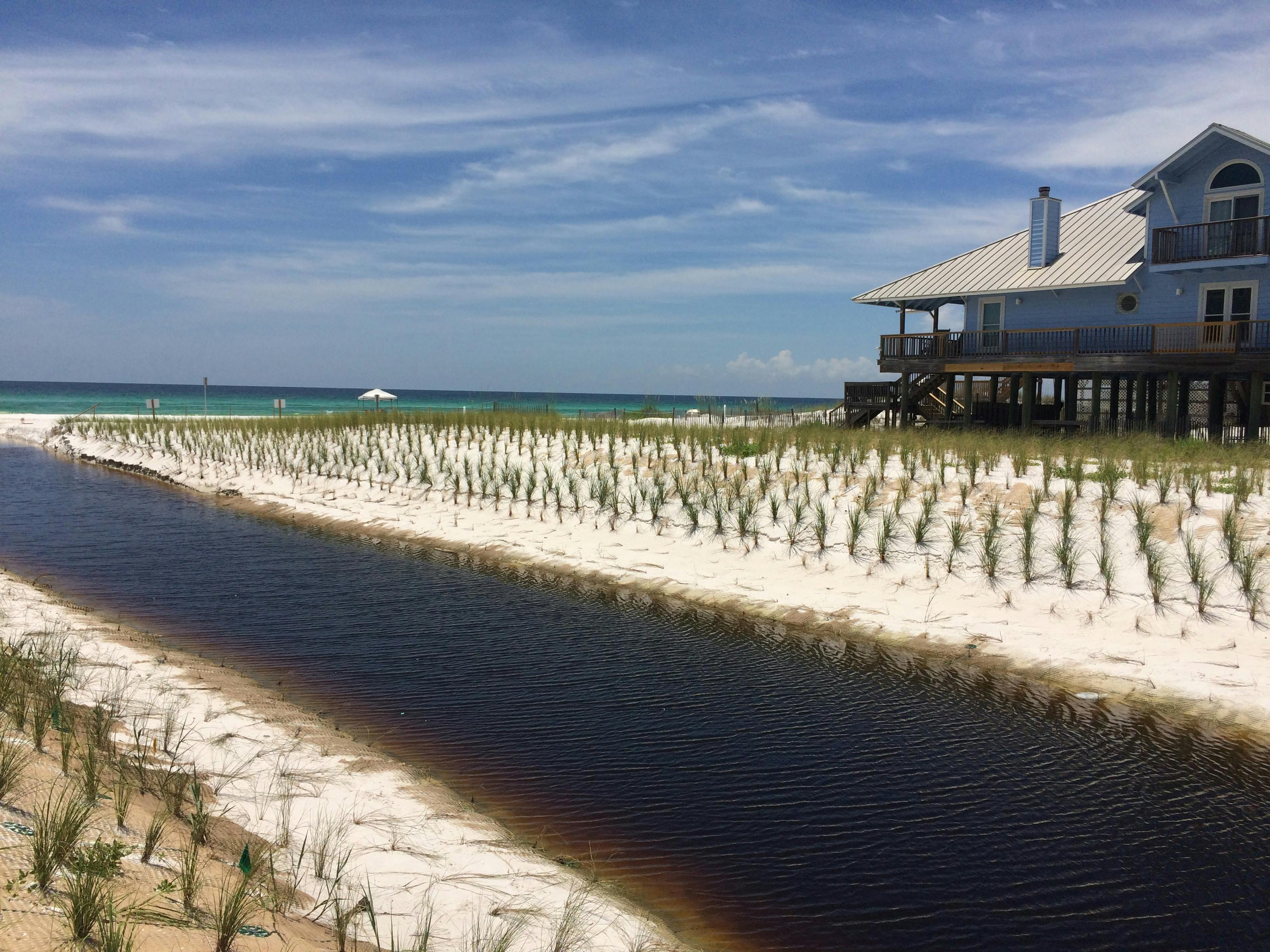
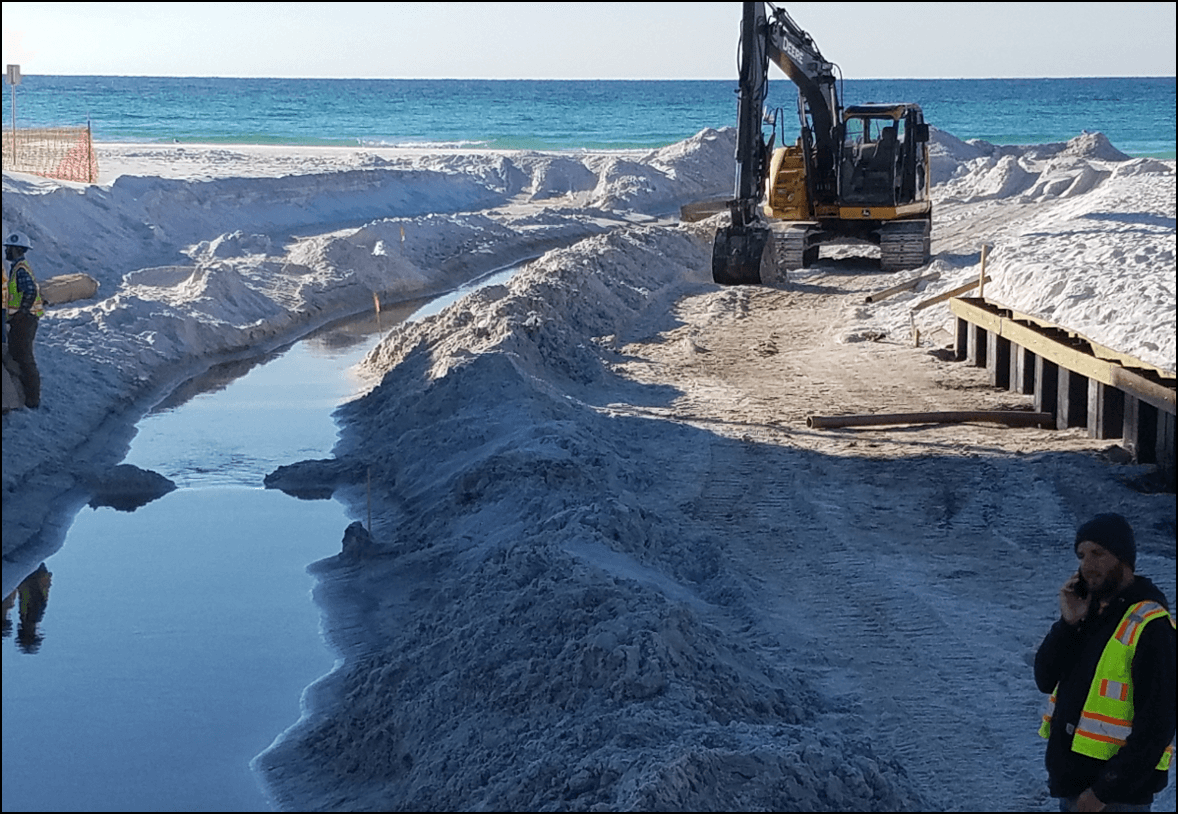
Oyster Lake is a coastal dune lake that creates a unique interchange between a natural stormwater lake and the Gulf of Mexico. When a coastal dune lake reaches a high water level, flow breaks through the dune system forming a channel between the lake and the Gulf. The outfall is critical for regulating water levels and mitigating flooding. Oyster Lake’s outfall had become severely degraded and the overall health was strained from major storms and urban growth.
Walton County and other state agencies wanted to reinforce the outfall while preserving the natural vegetation.
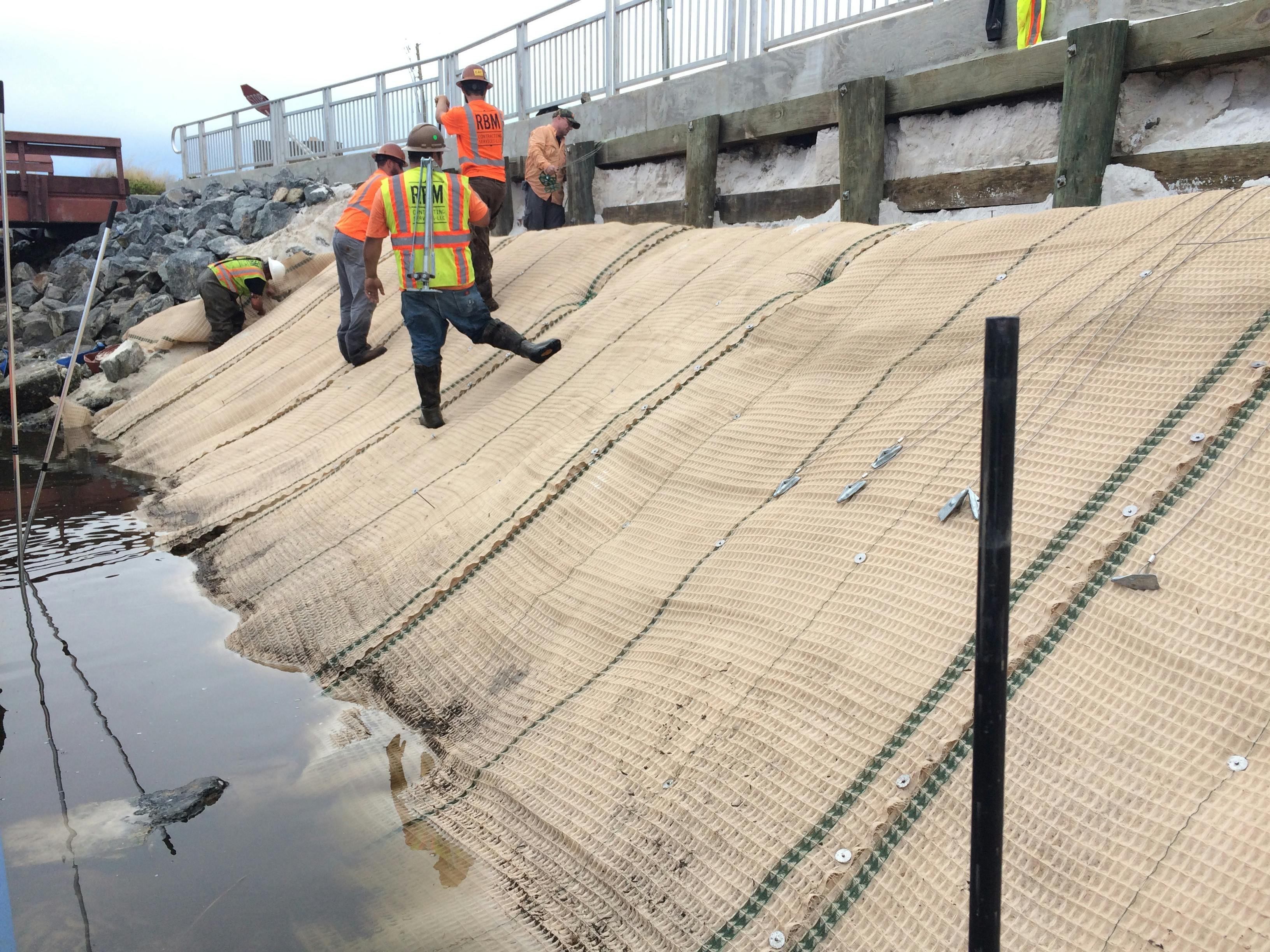
More than 2,000 yd² (1,672 m²) of PROPEX® Armormax®, consisting of High Performance Turf Reinforcement Mat (HPTRM) and Engineered Earth Anchors (EEA), were installed along the channel. This system was selected because it provides slope stabilization and erosion control while promoting vegetation. During installation, 2,000 sea oats were planted within the HPTRM, which is designed to promote vegetation.
After installation, Hurricane Michael (category 4) made landfall 60 mi (97 km) east of Oyster Lake causing winds up to 80 mph (129 km/h), storm surge, and significant rainfall and flooding at the project location. The vegetated slopes of the outfall withstood the extreme conditions, protecting beachfront homes, nearby businesses, underground utilities, a section of Highway 30A, and a bridge that crosses the channel.

Oyster Lake outfall improvement
Managing differential settlement on soft landfill soils with MIRAFI
MIRAFI® RS380i stabilized pavements at FLETC Charleston over soft marine clays and landfill soils, reducing settlement risk while improving constructability and lowering costs.
Texas retailer chooses modern engineering solutions
A Texas fast-food build used FABRINET® TP instead of aggregate for subsurface drainage. The solution reduced excavation, cut costs by 54 percent, sped up installation, and minimized environmental disruption.
Geosynthetic reinforcement enables vertical landfill expansion on soft soils
Cherry Island Landfill needed more disposal capacity on a constrained site underlain by weak, compressible soils. Solmax geosynthetic reinforcement helped make vertical expansion possible and delivered more than 20 years of additional disposal life.