Overview
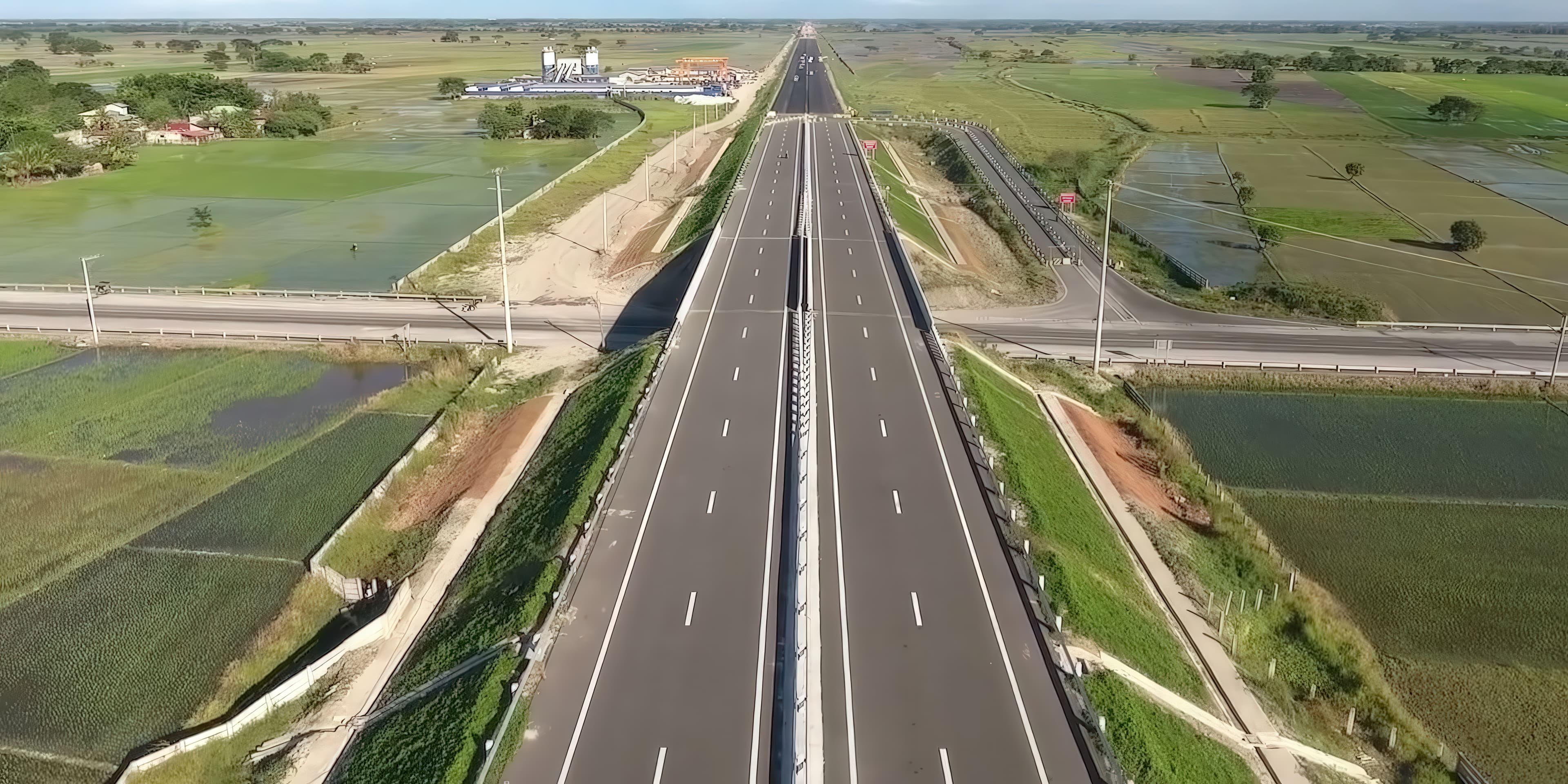
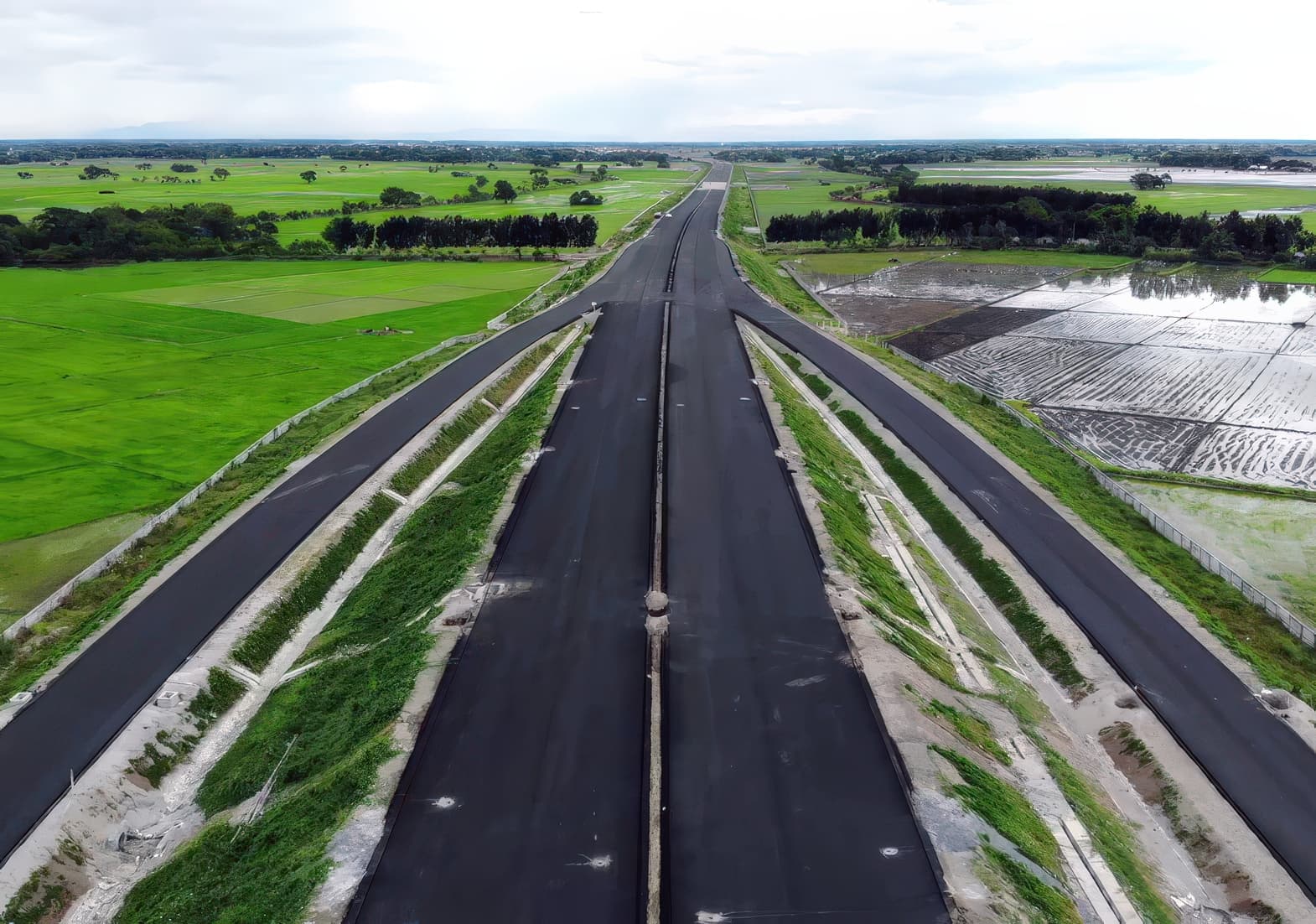
The Central Luzon Link Expressway (CLLEX) is a 30 km long, four-lane expressway linking several existing expressways in the Central Luzon region of the Philippines. The project aims to shorten the travel time from Metro Manila to Cabanatuan City, which serves as the hub city for the Pacific Ocean Coastal Area Development. Once operational, the travel time from Tarlac City to Cabanatuan City is expected to be shortened from 70 minutes to 20 minutes. The CLLEX traverses rural areas covered with agricultural farms where local rivers and farm roads intersect the CLLEX alignment. In these locations, abutment embankments are constructed for overpass bridge structures to minimize interruptions to the local communities.
Challenge
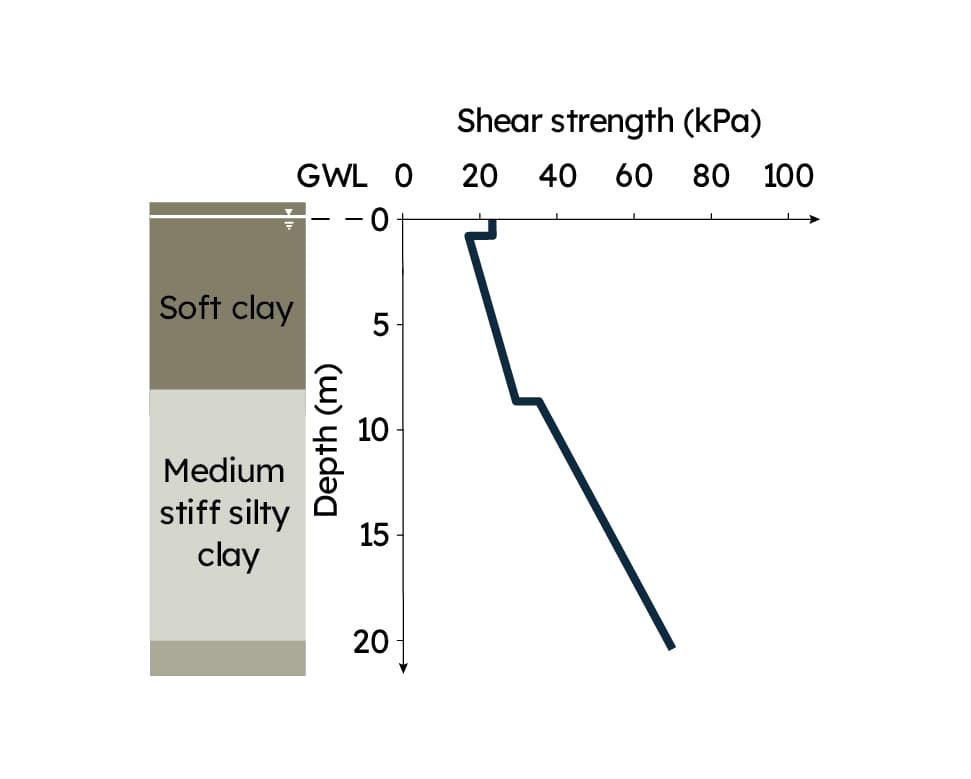
The foundation soil profile along the length of the CLLEX mainly consists of a soft clay surface layer varying in depth from 2 m to 8 m. In many locations, the groundwater level (GWL) is near to the ground surface. The soft clay has an overconsolidated surface crust in the region above GWL. Below this upper soft clay layer is a medium stiff silty clay stratum. Embankment instability and excessive post-construction settlements over these soft foundation soils were a major concern for the project.
Solution
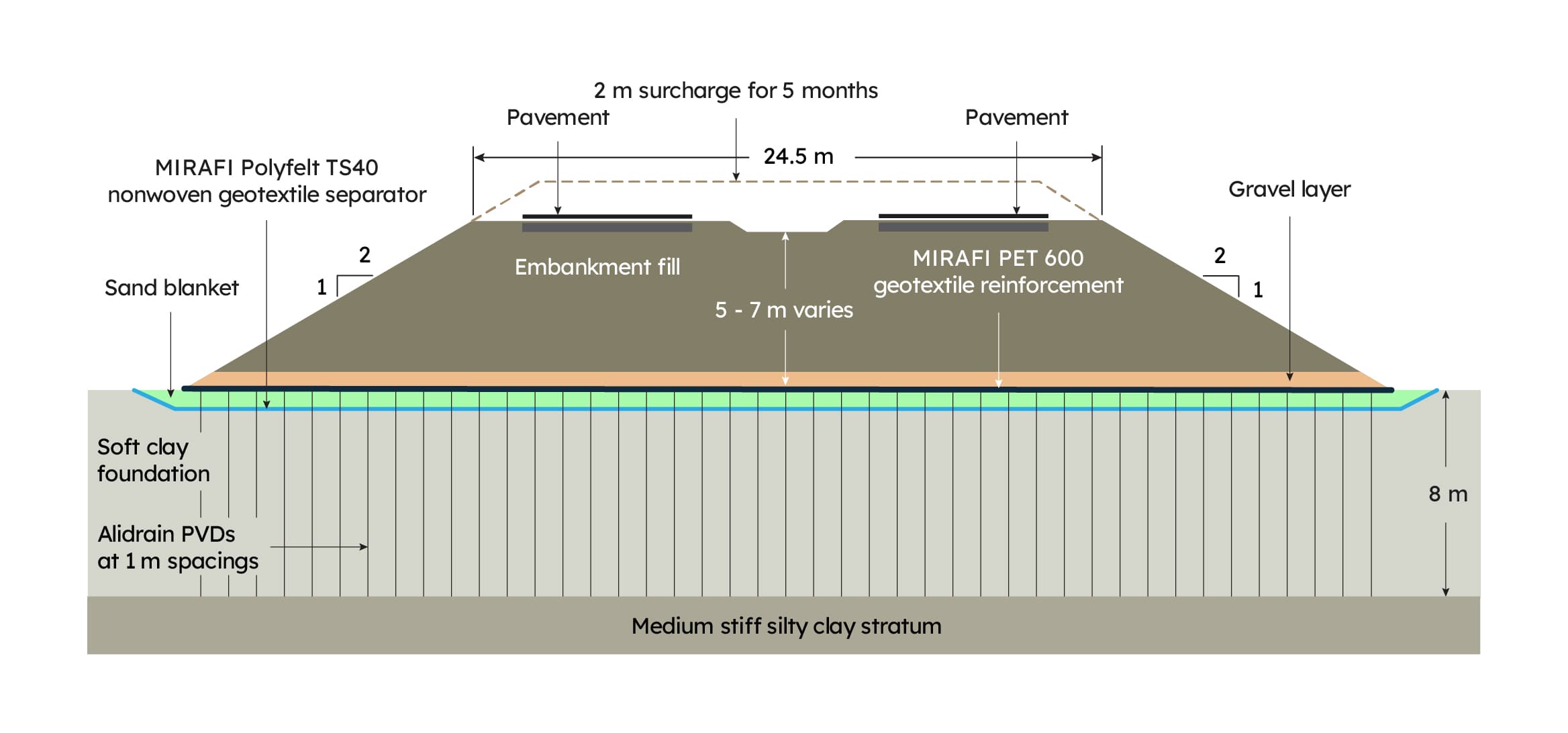
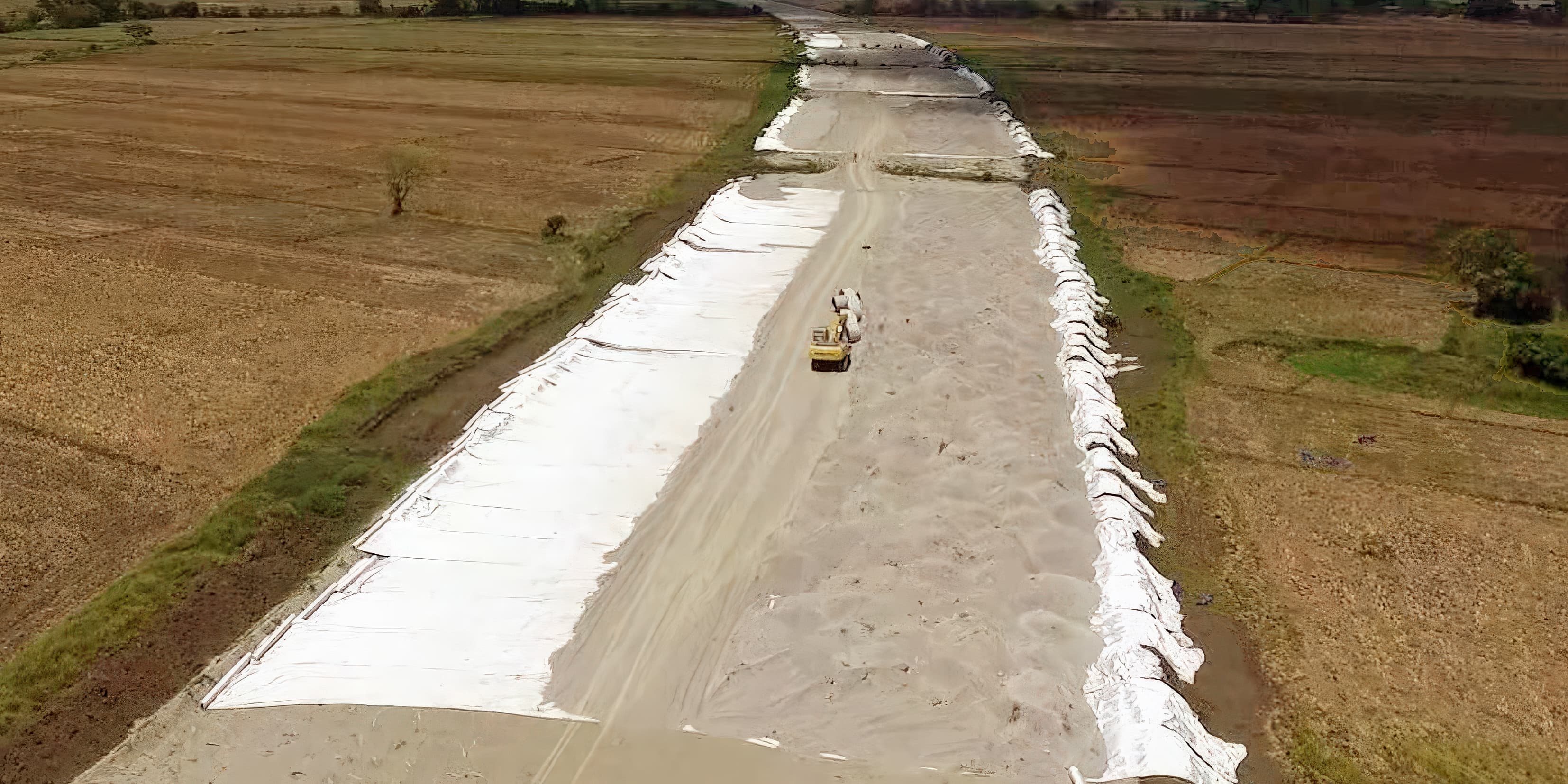
Consequently, a combination of basal geosynthetic reinforcement and prefabricated vertical drains (PVDs) were used to improve initial embankment stability and accelerate consolidation of the soft foundation layer. To provide the required embankment stability, MIRAFI® PET600 geotextile reinforcement was chosen as the basal reinforcement, while Alidrain® PVDs installed at 1 m spacings were chosen to accelerate the consolidation of the soft foundation. It was estimated that settlements of up to 1 m could be expected over a 5-month period with this PVD layout with a 2 m surcharge.
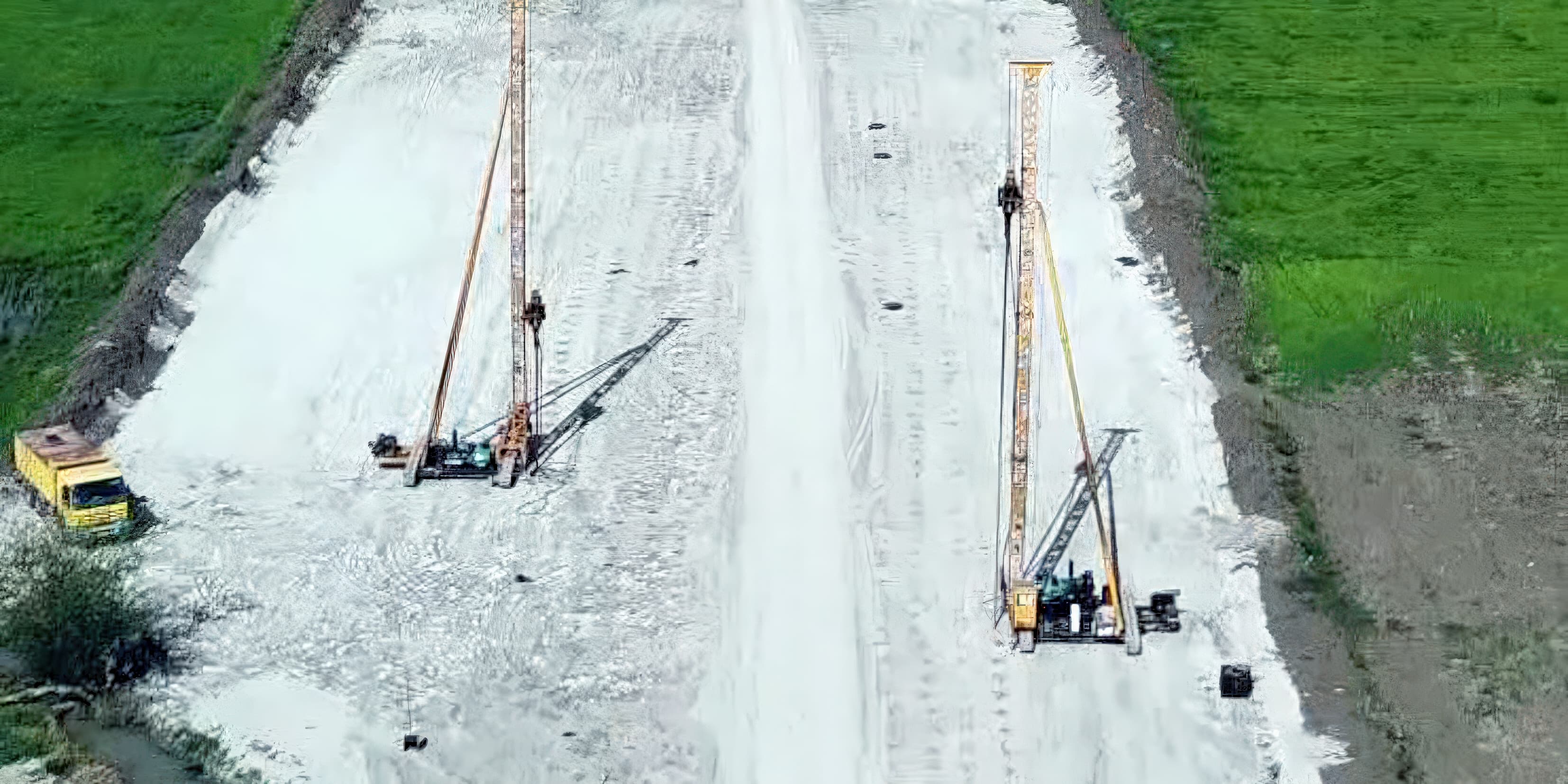
In constructing the embankments, the surface vegetation layer was first removed and then a layer of MIRAFI Polyfelt TS40 nonwoven geotextile separator installed. On top of this, a sand blanket layer was constructed to remove the excess pore water from the base of the embankment and to provide a stable working platform for the PVD installation machines. After the PVDs had been installed, the MIRAFI PET600 geotextile reinforcement was laid in a continuous length across the width of the embankment. The geotextile reinforcement was sewn together onsite to provide a continuous coverage at the base of the embankments.
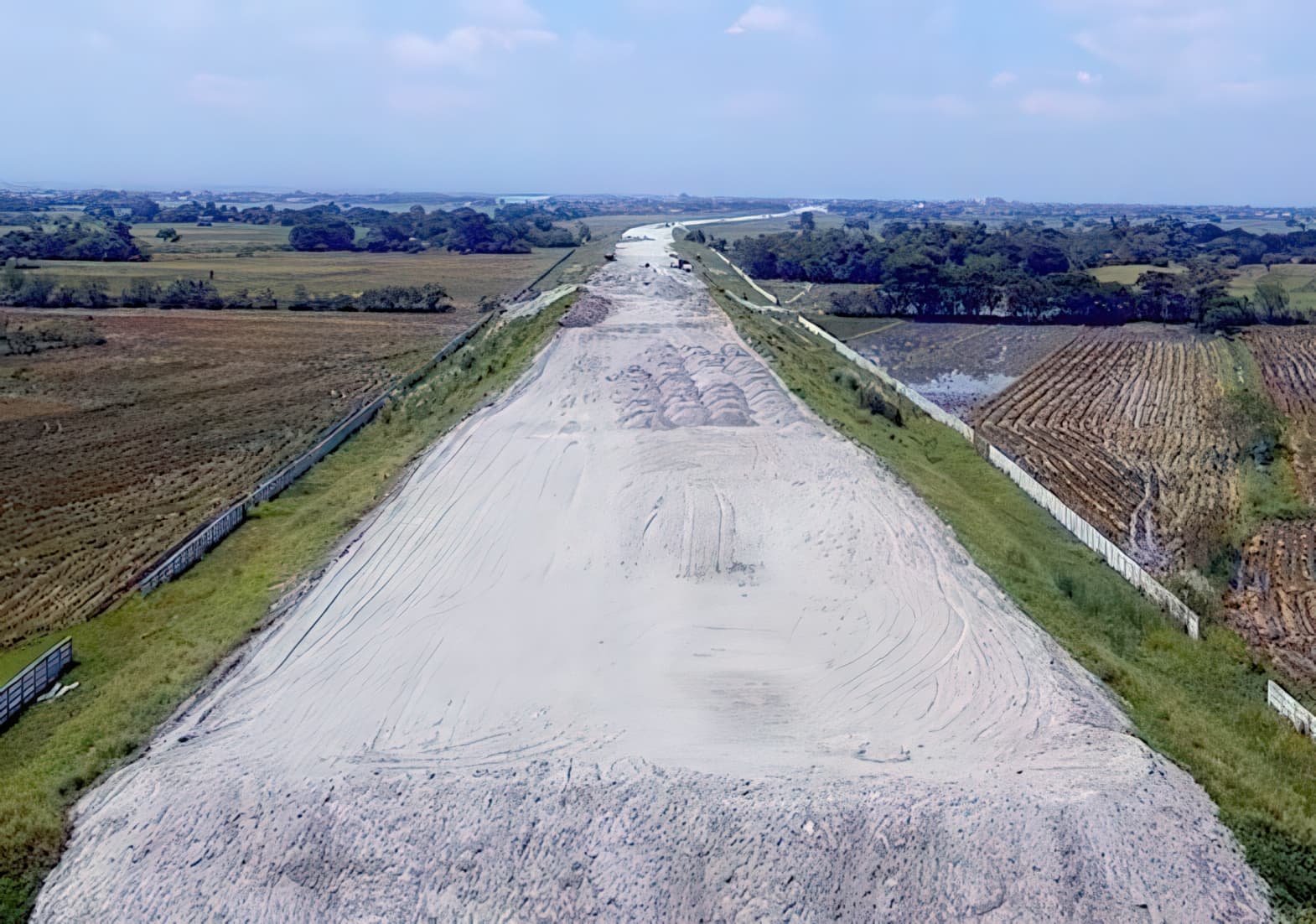
Next, a 1 m thick gravel layer was placed over the MIRAFI PET600 geotextile reinforcement and compacted. The embankment fill was placed in lifts and compacted to 95% Standard Proctor compaction. The expressway pavements were then constructed on top of the completed embankments. Finally, the side slopes of the embankments were hydroseeded to provide vegetation growth.