Overview
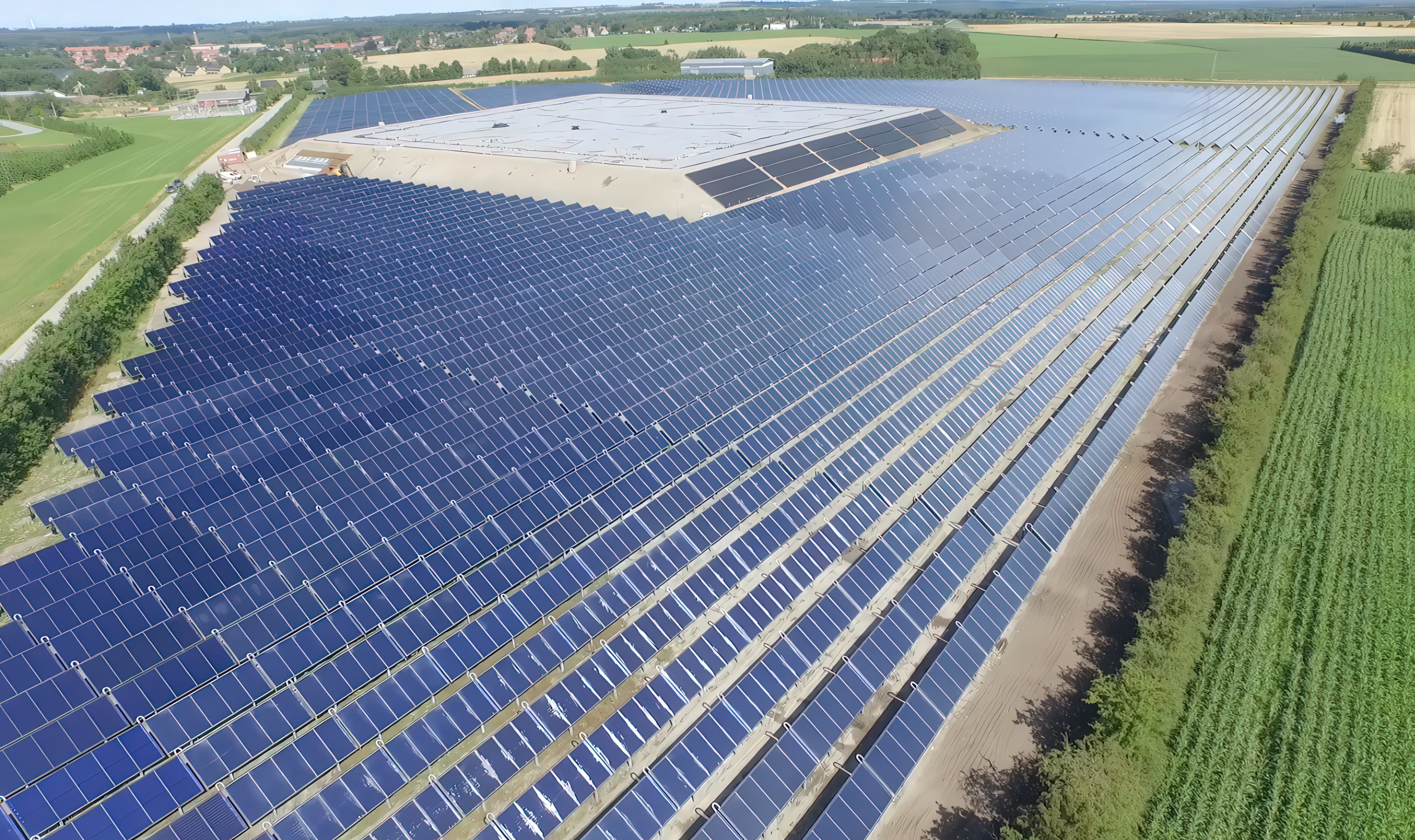
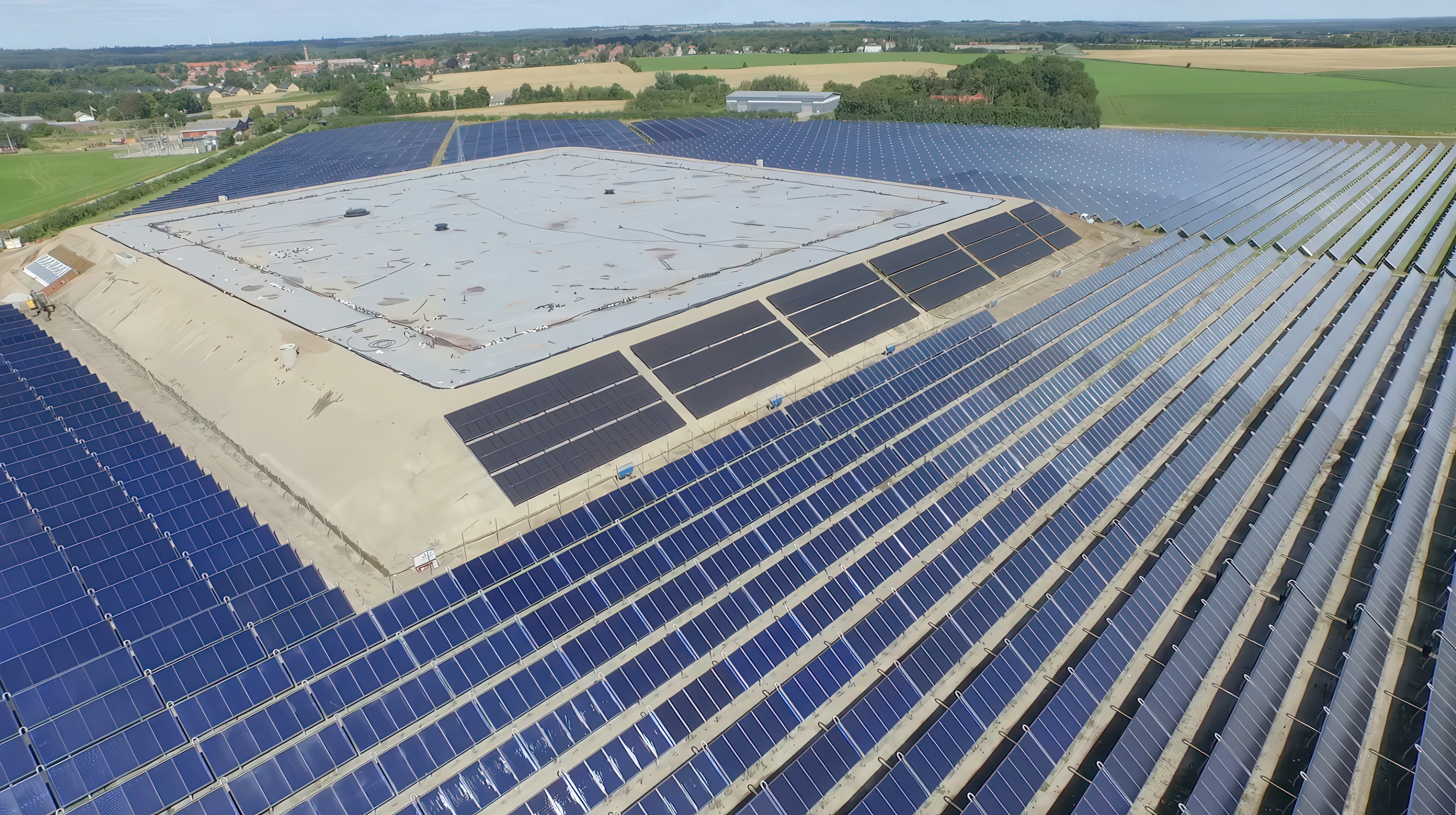
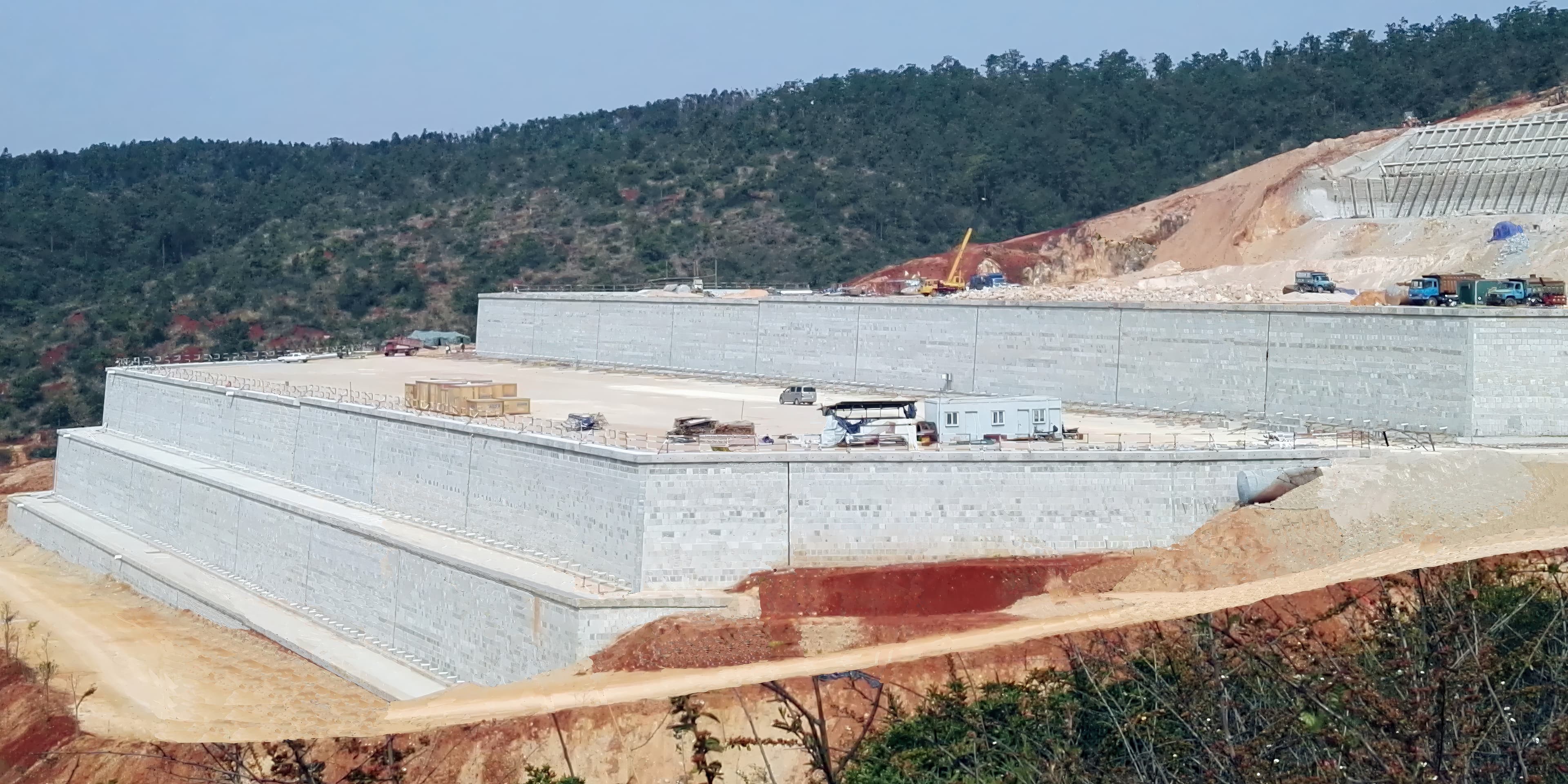
In the town of Gram, Denmark, one of the country’s largest pit thermal energy storage (PTES) systems was built to support renewable-based district heating. Commissioned by Gram Fjernvarme a.m.b.a., the facility has a storage capacity of 122,000 m³. With a footprint of 125 by 110 meters and a depth of 16.5 meters, it represents a significant step forward for large-scale thermal energy storage in Denmark.
The PTES is charged primarily by a 44,800 m² solar collector field. Heat collected during the summer is stored in the basin and later discharged to the district heating network in winter, when solar availability is low. The system produces around 18,000 MWh of heat annually, covering most of the town’s heating needs.
The impact is measurable. By replacing natural gas heating with solar-based thermal storage, Gram reduces carbon dioxide emissions by about 3,700 tons each year. The project enhances local energy security, stabilizes heating costs, and directly contributes to national decarbonization goals.
Solmax played an integral role in delivering this outcome. The company provided prefabrication, material supply, installation, and quality assurance for the geosynthetic sealing and protection system. Advanced geomembranes and multifunctional geocomposites were deployed to ensure that the PTES could safely contain hot water at up to 90 C, maintaining performance over decades of operation.
Challenge
Seasonal storage of solar heat requires high-capacity systems that can hold energy securely for months at a time. The Gram PTES, at 122,000 m³, had to withstand substantial hydrostatic pressure from the stored water while maintaining impermeability at high operating temperatures.
Water temperatures approaching 90 C placed significant demands on the lining system. Many conventional liners degrade under prolonged thermal stress, losing flexibility, impermeability, or structural integrity. Ensuring the system could resist creep, stress cracking, and accelerated aging was a primary technical requirement.
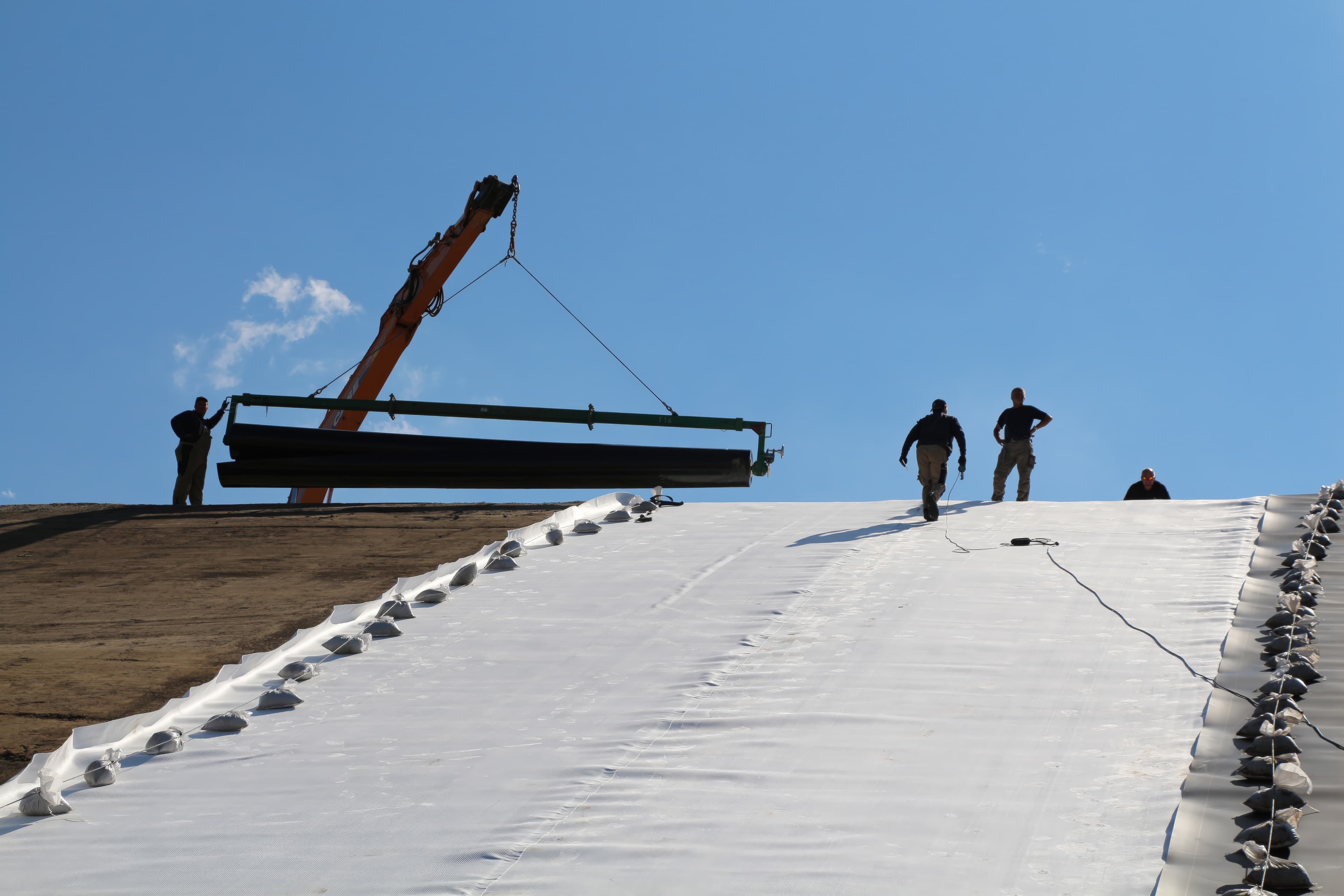
The project scale introduced further complexity. With basin dimensions exceeding 100 meters in length and width, large geomembrane panels had to be fabricated, transported, and welded on site with complete seam integrity. Quality control was critical, as any flaw could undermine storage performance.
The cover system presented another challenge. To retain heat and protect the reservoir, it needed to integrate insulation with durable UV- and weather-resistant geomembranes. Protective layers were also required to guard against mechanical loads, settlement, and puncture risk.
These challenges in Gram reflect the broader issue facing renewable heating: to make seasonal storage viable, containment systems must combine thermal resistance, impermeability, and long-term durability.
Solution
Solmax provided a complete geosynthetic package for the Gram PTES, with nearly 100,000 m² of materials installed. Each product was selected for a specific role in the sealing and protection system.
FABRINET® BP (16,000 m²) was installed as a base layer, providing subgrade protection against puncture from irregularities in the foundation and ensuring a stable surface for the geomembrane.
The basin was sealed with GSE® HDH high-temperature geomembranes, engineered for sustained exposure to hot water. Around 20,000 m² of GSE HDH 2.0 mm was used as a primary liner, supported by 20,000 m² of GSE HDH 2.5 mm in areas requiring greater resistance to long-term thermal stress. This dual-layer approach added redundancy and robustness to the system.
For the cover, 15,600 m² of GSE HD Color 1.5 mm (light grey) was selected. Its UV resistance and reduced solar absorption minimized thermal stress while limiting heat loss.
Two geocomposites, FABRINET BP 50 2000 (14,600 m²) and FABRINET BP 50 1200 (15,000 m²), were applied to provide drainage, filtration, and puncture protection. These layers safeguarded the liner and enhanced overall mechanical stability, particularly under settlement and load conditions.
The construction period ran from August 2014 to September 2015. Solmax prefabricated materials to specification, coordinated deliveries to match site progress, and deployed an experienced installation team. Continuous seam testing and quality checks ensured complete sealing integrity.
The completed facility now stores up to 122,000 m³ of hot water at 90 C, delivering around 18,000 MWh of renewable heat each year. It offsets approximately 3,700 tons of CO₂ annually while ensuring reliable district heating supply for Gram’s residents.
By integrating solar collectors, seasonal storage, and advanced geosynthetics, the Gram PTES demonstrates how renewable heat can replace fossil fuels at scale. Solmax’s GSE geomembranes and FABRINET protection layers provide the containment performance that makes this transition possible, ensuring that stored heat remains a dependable resource throughout the year.