World’s largest pit thermal storage in Vojens
In Vojens, Denmark, a 200,000 m³ pit thermal storage basin stores surplus solar heat from a 70,000 m² collector field. Using Solmax geosynthetics, the system reduces CO₂ emissions by 6,000 tons annually.

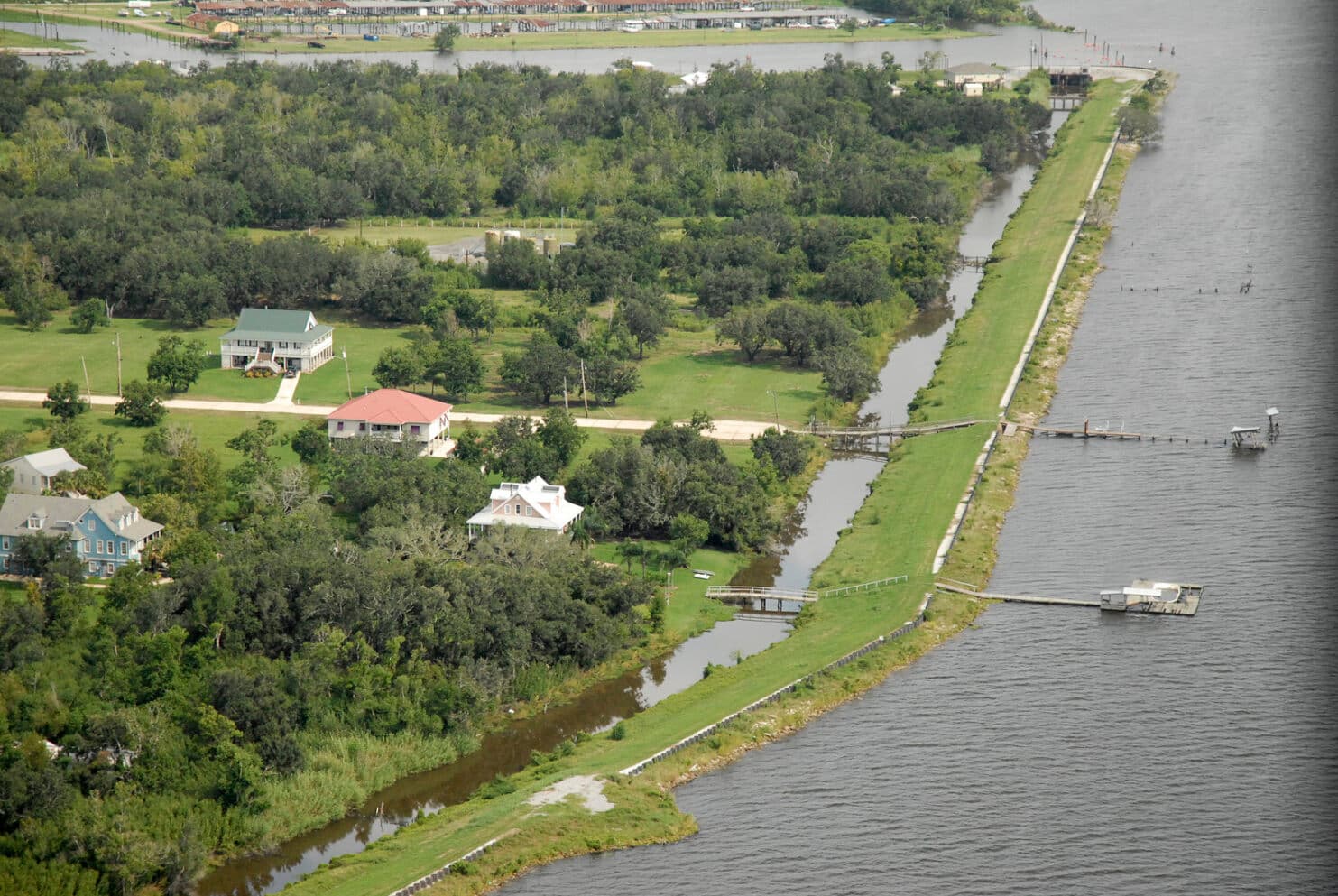
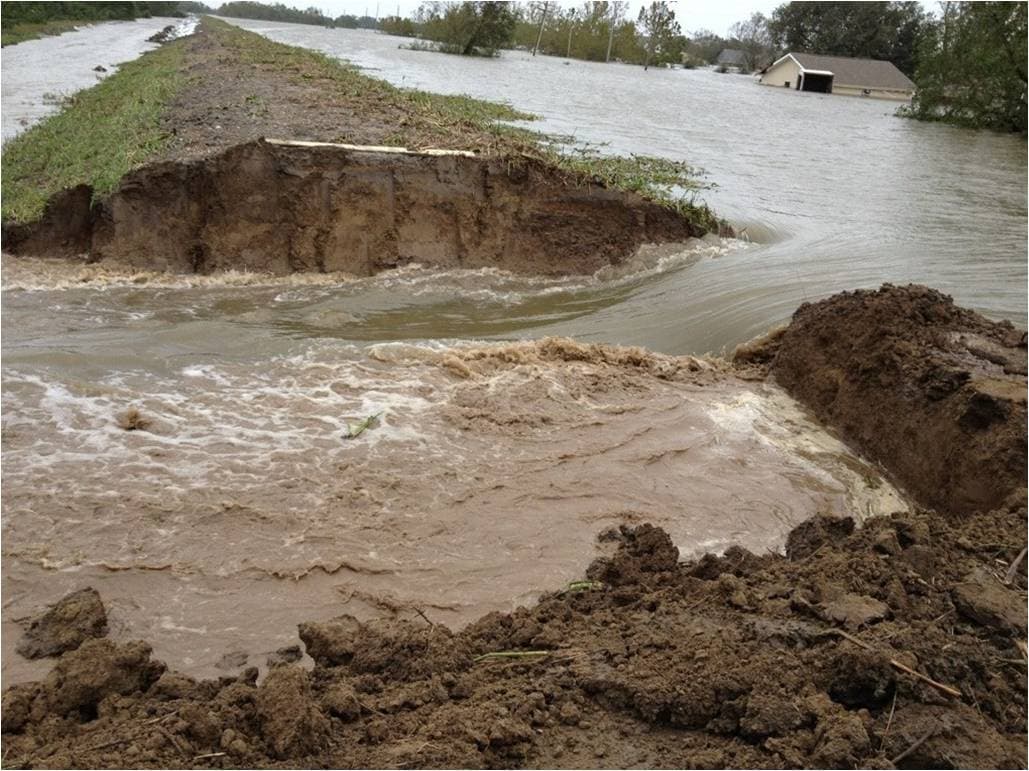
The U.S. Army Corps of Engineers (USACE), embarked on one of the largest and most comprehensive public works projects in American history following the catastrophic damage caused by Hurricane Katrina in 2005. The Hurricane and Storm Damage Risk Reduction System (HSDRRS) program was established to provide the greater New Orleans Area a 100-year level of risk reduction. One of the most critical measures of the HSDRRS was protection of refurbished earthen levees against the erosion-causing hydraulic forces of storm surge overtopping. Without protection, overtopping can lead to significant landside erosion and potentially a breach of the levee. During Hurricane Katrina, most levee failure was due to water overtopping.
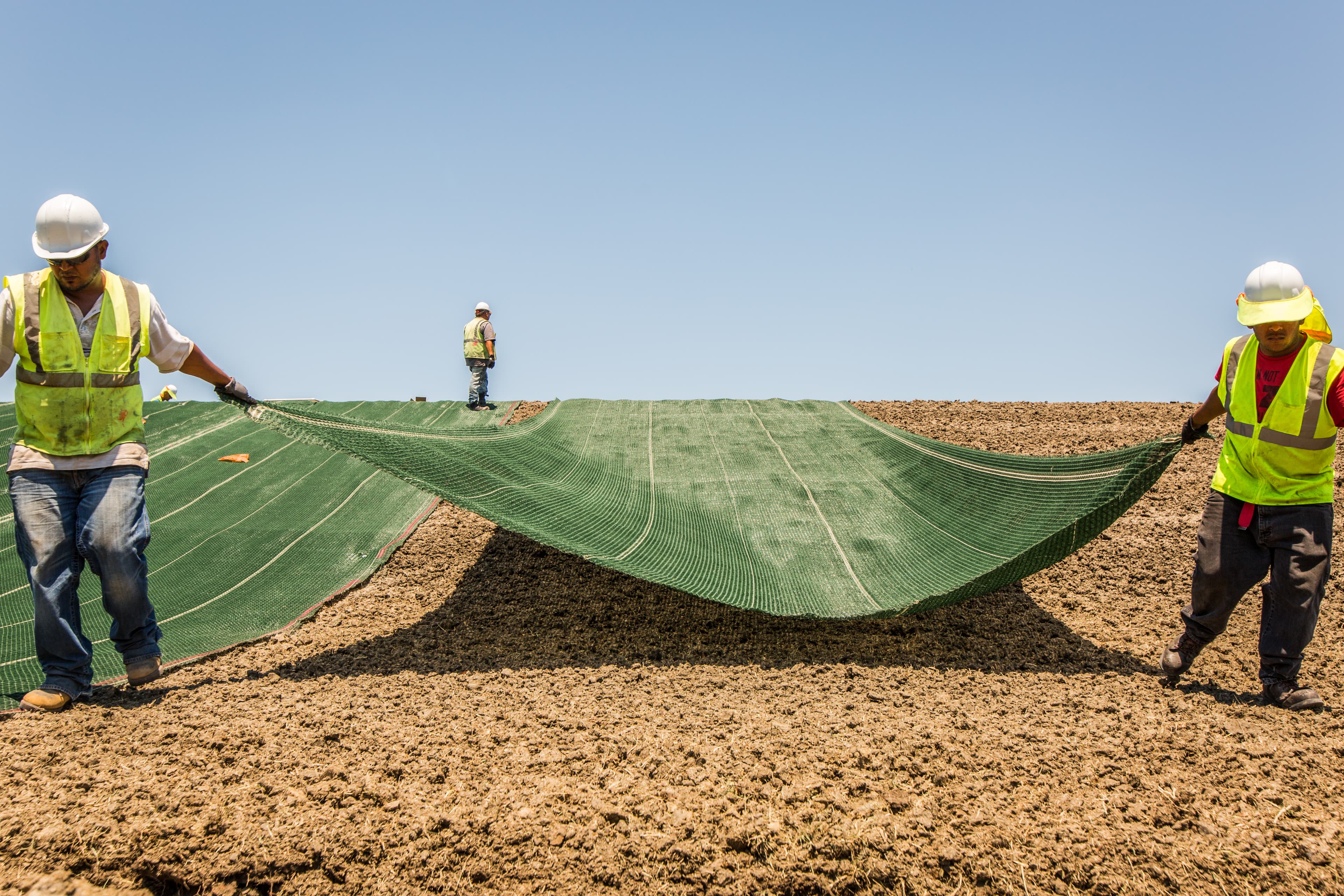
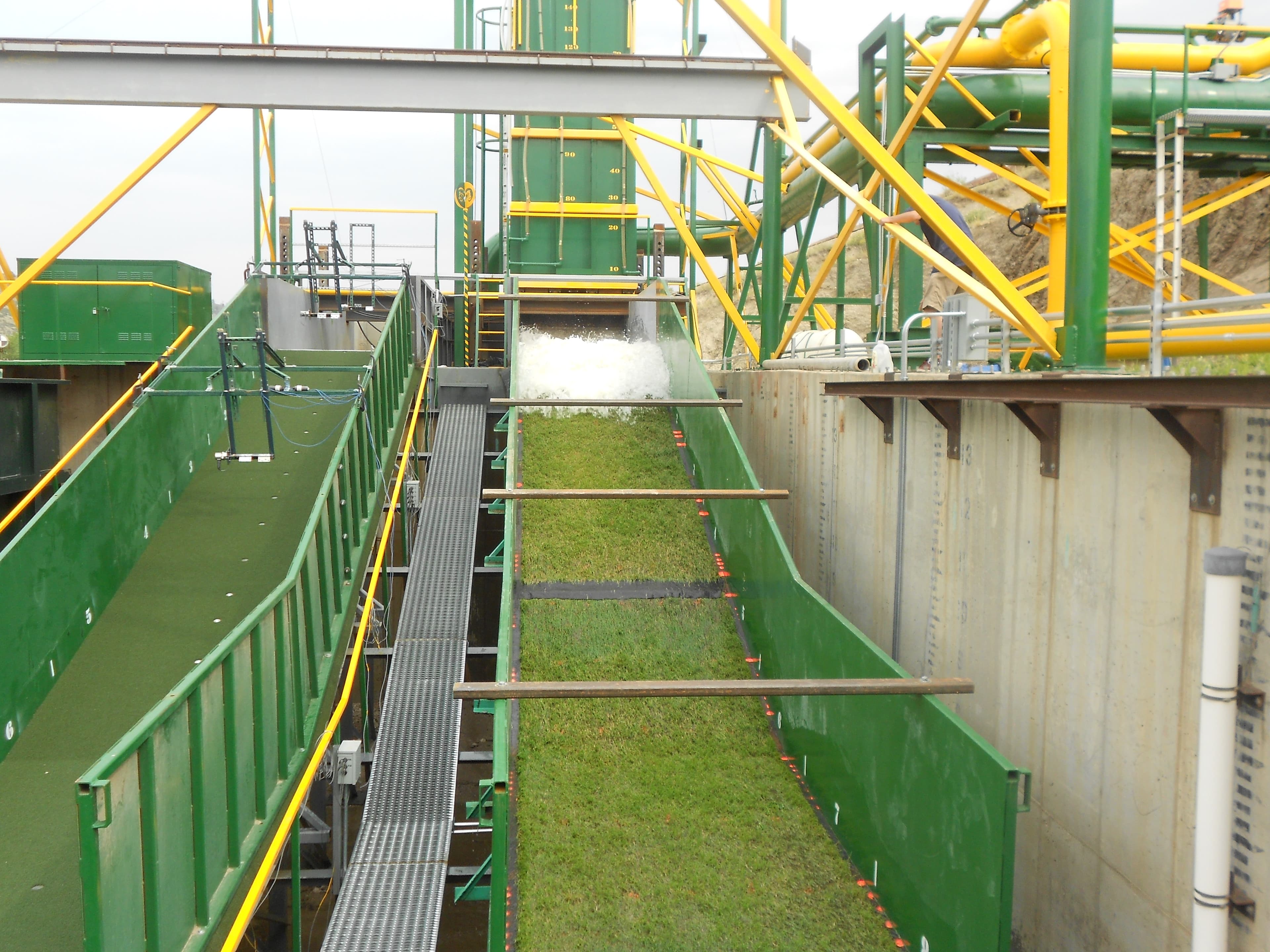
The USACE needed a proven solution, so they partnered with Colorado State University (CSU) to build a full-scale wave overtopping simulator. The simulator tested erosion resistance of the PROPEX® Armormax® system for 500-year resiliency HSDRRS overtopping conditions. Testing showed that PROPEX Armormax, consisting of High Performance Turf Reinforcement Mat (HPTRM) and Engineered Earth Anchors (EEA), provided increased levee resilience and durability. Additionally testing showed that PROPEX Armormax reinforced vegetation on the earthen levees, which reduces the risk of breaching caused by overtopping waves.
Full scale installation of the EEAS began in 2015 and has since been installed on over 100 miles of earthen levees in the New Orleans area. Since installation, multiple levees have experienced overtopping from major hurricanes, but have not breeched.

Providing levee resilience and durability

Providing levee resilience and durability

Breached Levee

CSU Wave Overtop
World’s largest pit thermal storage in Vojens
In Vojens, Denmark, a 200,000 m³ pit thermal storage basin stores surplus solar heat from a 70,000 m² collector field. Using Solmax geosynthetics, the system reduces CO₂ emissions by 6,000 tons annually.
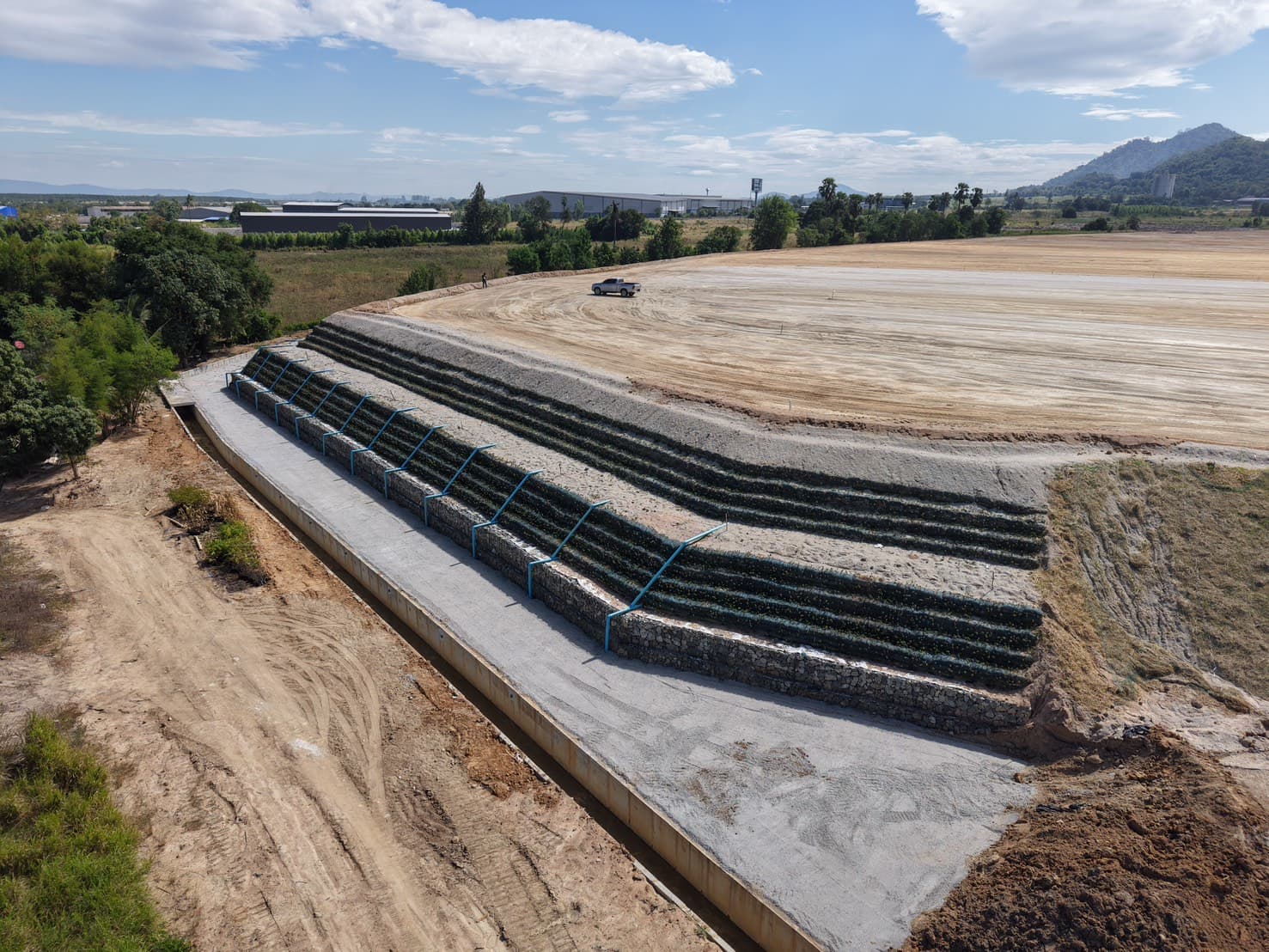
Reinforced soil walls maximizing urban developable land
Geocomposite-reinforced soil walls totaling 1,385 m supported land formation at Eco Botanic City, providing stable retaining walls, efficient drainage, and the use of local backfill while maximizing developable land on a constrained urban site.
Extending parking lot overlay life at Hillsborough College – Brandon Campus
Hillsborough College – Brandon Campus used Petromat® MPV500 paving fabric to improve bonding, delay reflective cracking, and support longer-lasting pavement rehabilitation.