Advancing the future
Engineering the next generation of energy storage

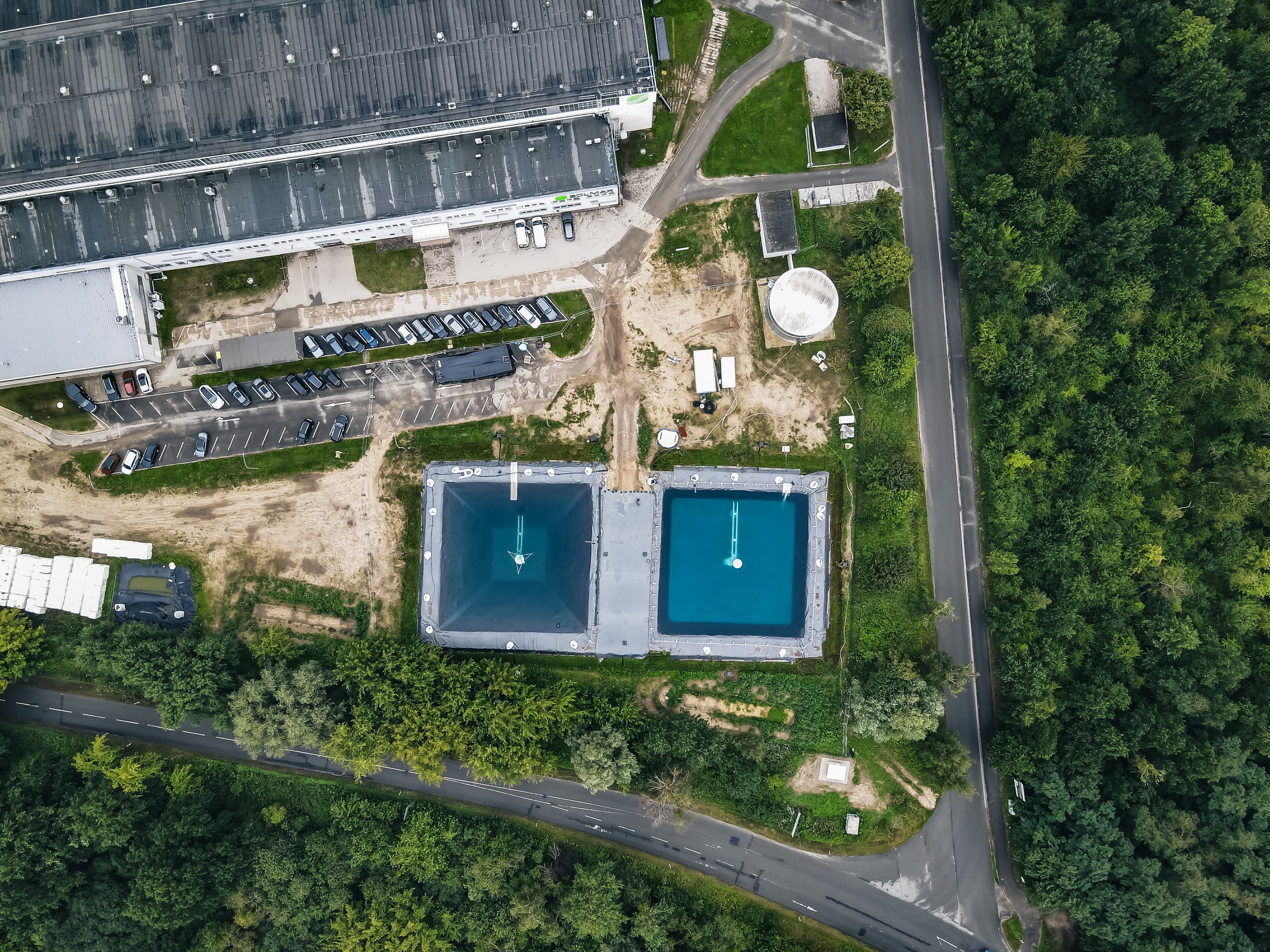
The Efficient Pit research project advances the technological development of pit thermal energy storages. The focus lies on materials and construction methods that can withstand long-term higher thermal loads, minimize heat losses, and increase operational safety.
The research project is carried out by Solmax Geosynthetics GmbH in cooperation with Solites – Steinbeis Innovation GmbH, and is funded by the German Federal Ministry for Economic Affairs and Energy (BMWE).
Technical innovations
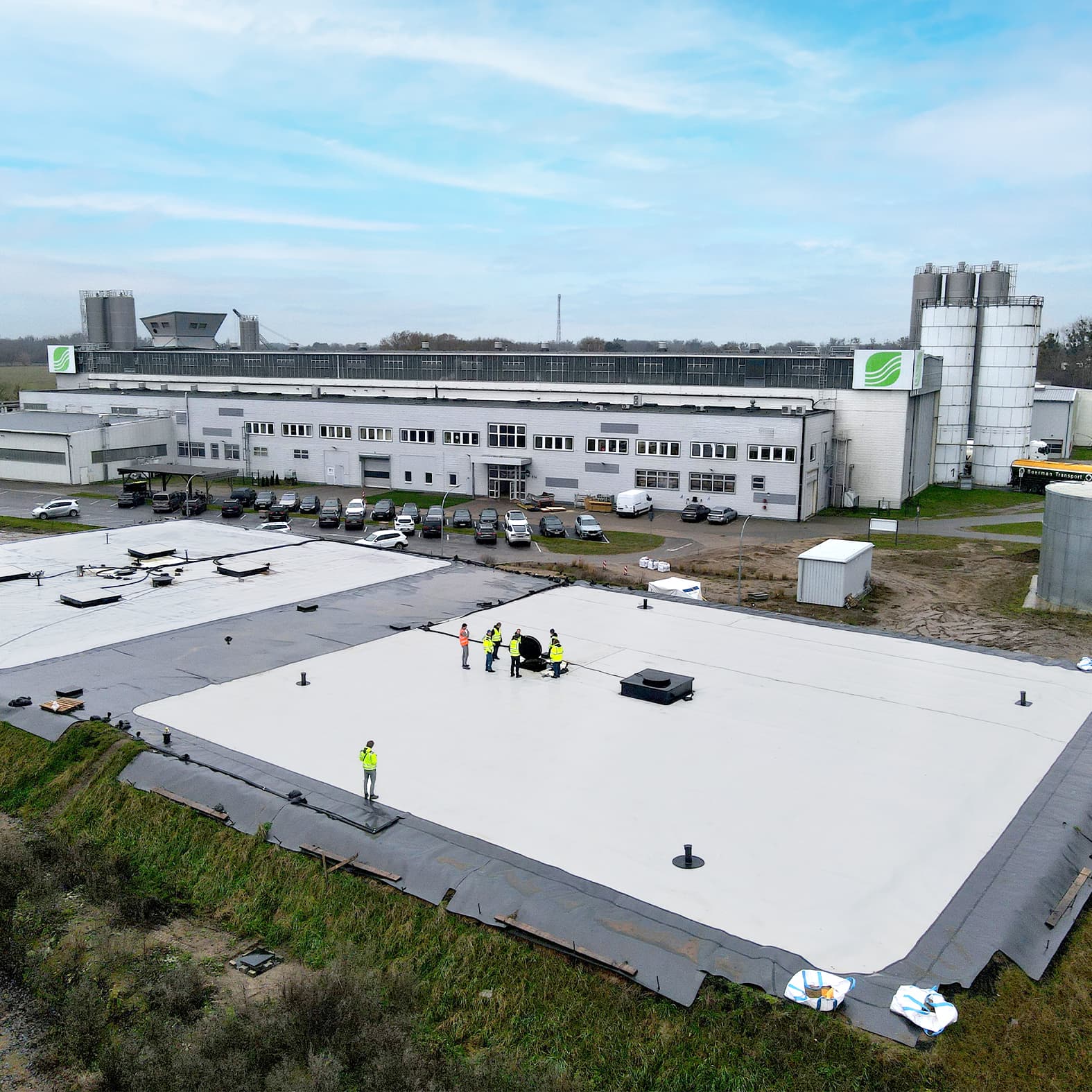
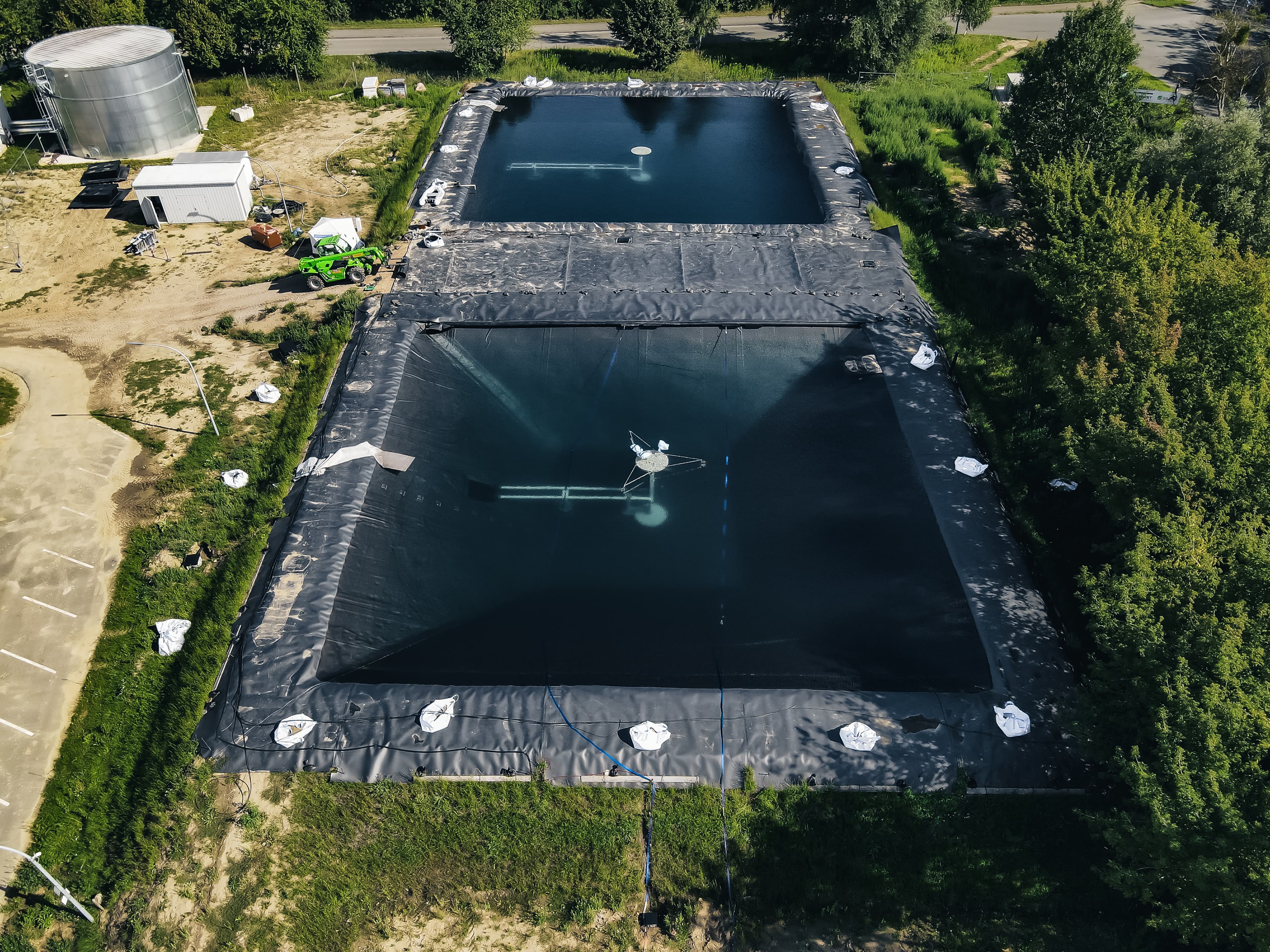
A central element of the Efficient Pit research project is the construction of laboratory-scale storages under real-world conditions, where key components such as sealing materials, insulation systems, installation elements, and monitoring technologies are systematically tested. Construction of the two lab storage units was completed in autumn 2025, and both storages have since been commissioned.
The development of materials and designs as a starting point is the development and testing of innovative materials and construction methods for the two laboratory pit thermal energy storages. The goal is to improve performance, durability, and cost-effectiveness through targeted technical optimisation.
Key innovations developed and tested within the research project
A total 1375 meters fibre-optic monitoring system for leak detecting and temperature monitoring has been integrated within one storage structure
Innovative charging and discharging pipes inclusive diffusers to reduce water treatment requirements and improve overall cost and system efficiency
High-temperature-resistant geomembranes and protection layers providing long-term thermal stability up to 95°C
Polymeric penetrations for cost reductions and secure and simplified connection of the sealing geomembranes
A floating lid solution with excellent insulation properties and an integrated system for draining and precipitation water
Geosynthetic-reinforced soil enabling steeper embankments and thus improving the volume-to-surface ratio
A high-density, multi-parameter sensor network enabling continuous acquisition, processing, and evaluation of thermal and structural storage data, centrally managed via the operations building
Use of process heat from geomembrane manufacturing to charge the storage system up to 95°C
Explore more
Case studies
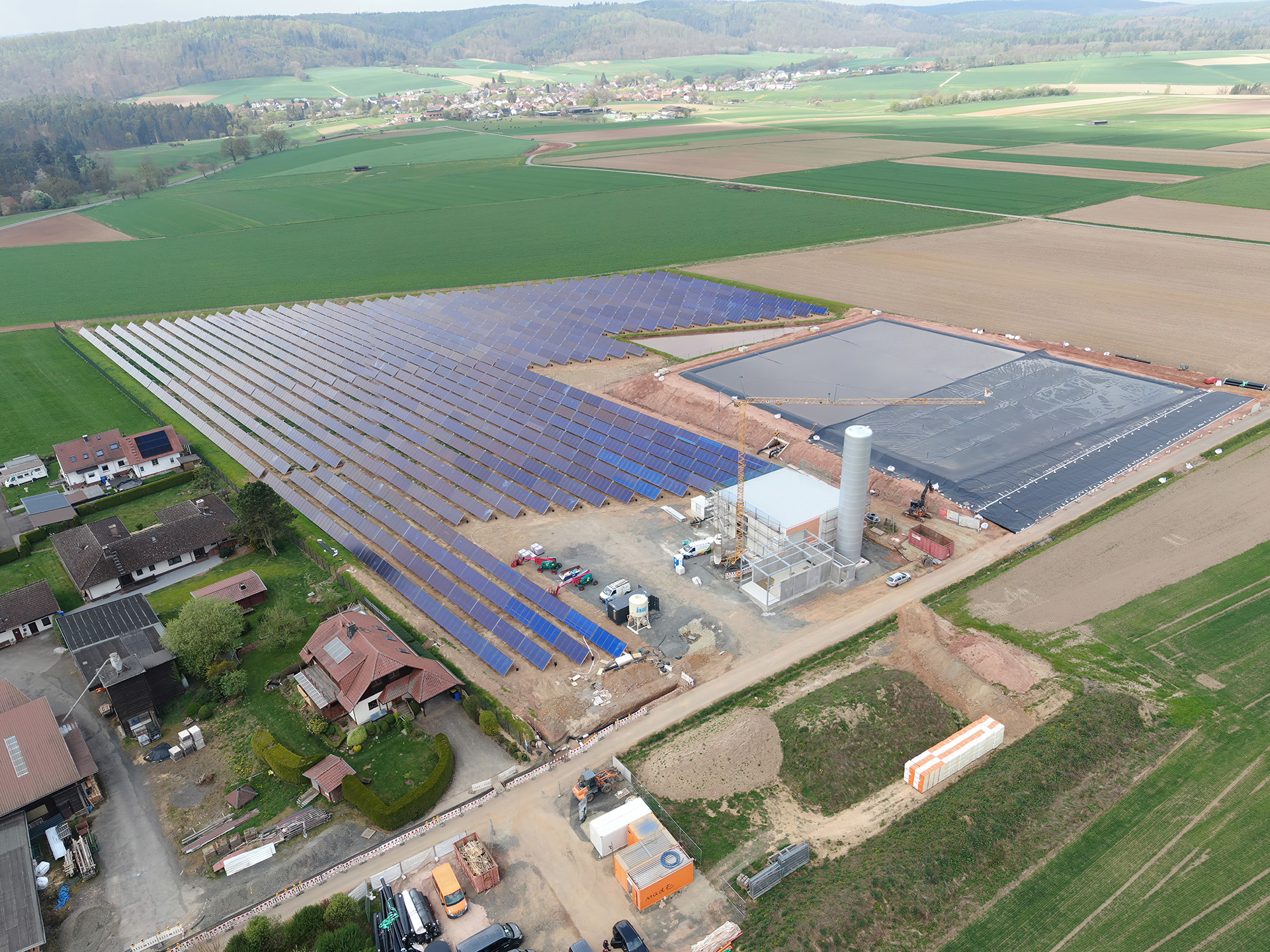
Seasonal pit thermal energy storage drives fossil-free heating in Bracht
In Bracht, Germany, a pit thermal storage system integrated with solar collectors (71 percent from sun), heat pumps (6 percent green electricity), and biomass (23 percent) supplies a renewable heat solution according to the simulation of the University Kassel. Solmax geomembranes ensure long-term containment, enabling near-zero emissions and stable heating for 180 households.
Discover more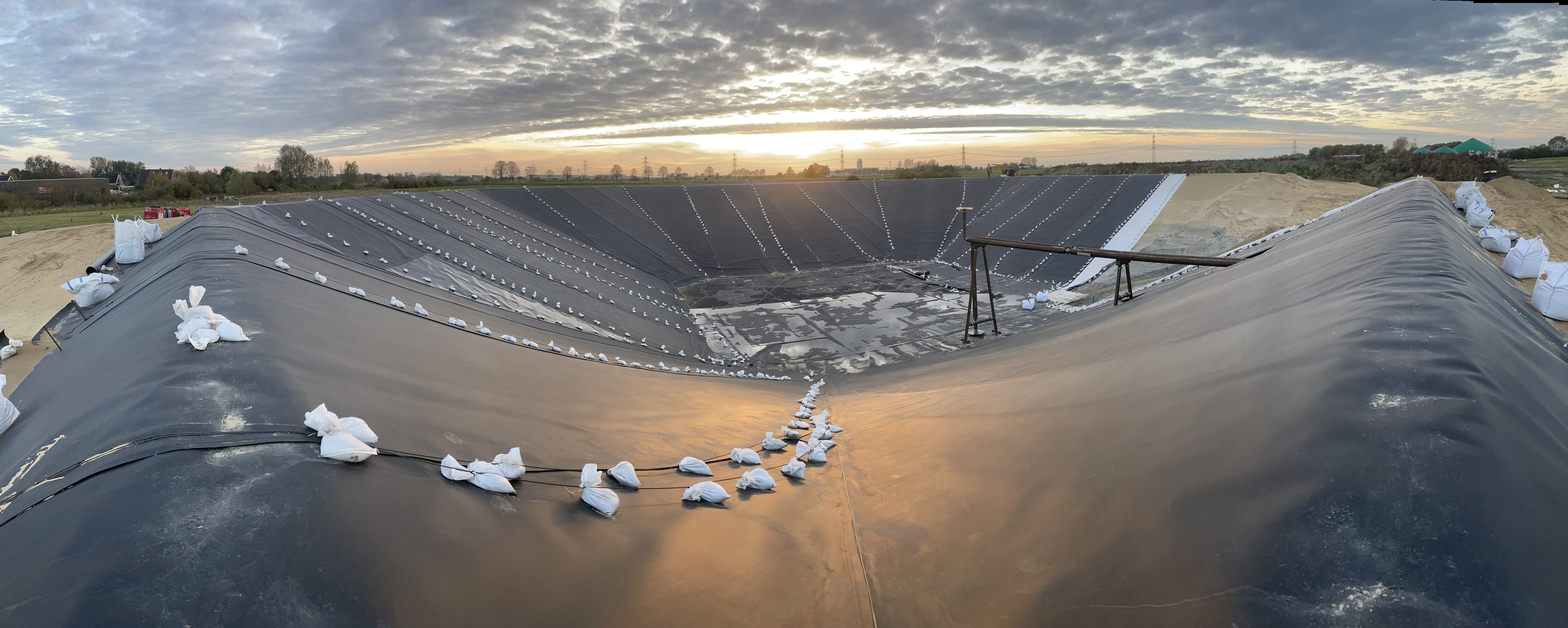
Case studies
Decarbonizing district heating with pit thermal energy storage in Meldorf
Germany’s first large commercial pit thermal storage in Meldorf shows how district heating can be decarbonized. GSE® HDH, GSE HD liners and FABRINET® protection layers enable safe high-temperature storage, reducing CO₂ emissions by 90 percent and store 1,500 MWh annually.
Discover more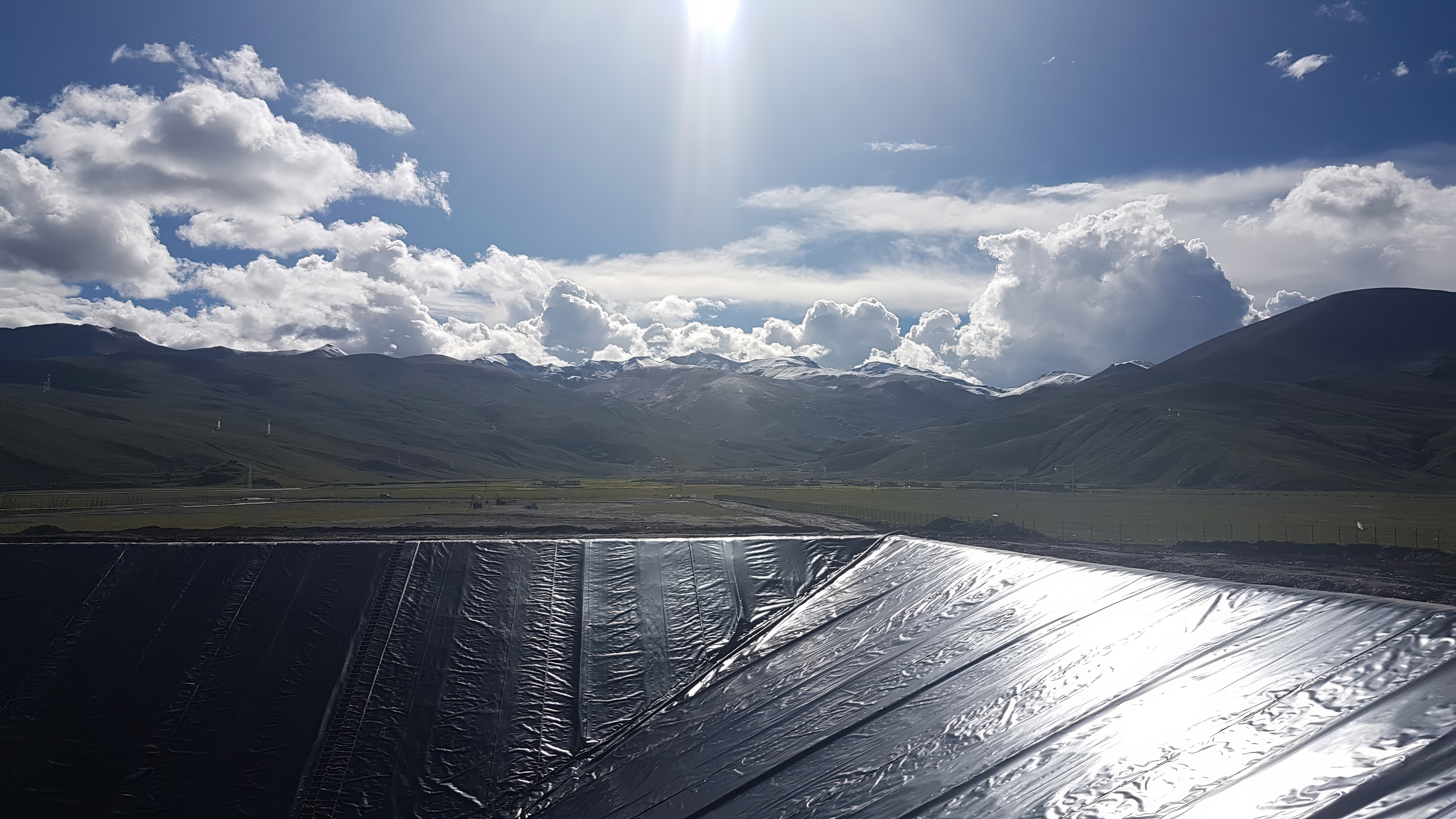
Case studies
Seasonal solar storage brings fossil-free heating to Tibet
On the Tibetan Plateau at 4,600 m ASL, Solmax geosynthetics enabled Tibet’s first large solar thermal district heating system. A 15,000 m³ pit thermal energy storage stores 700 MWh of heat, meeting 90 percent of Langkazi’s demand.
Discover more