Overview
Large-scale tunnelling along the Scandinavian–Mediterranean TEN corridor generated significant volumes of excavated material that required grading and washing for reuse in concrete and fill applications. At the Wolf access gallery, the wash plant processed bored aggregates, recovering approximately 30 percent of the material for beneficial reuse. The finest fraction, however, retained most of the water and produced a voluminous slurry. Because resource efficiency was a core requirement of the project, wash water had to be reused in a closed loop. This made reliable solids removal essential at the end of each washing cycle. Any disruption to water quality or availability directly threatens the continuity of daily operations.
Challenge
The grading process produced slurry with a higher than expected and highly variable solids content. Fluctuations in dry solids and inconsistent slurry output placed strain on conventional mechanical treatment systems. These systems typically require high capital investment, consume significant energy, and are sensitive to changes in feed conditions. Space constraints at the construction site further limited available options, while maintenance interruptions and downtime risked halting aggregate production entirely. The treatment solution therefore needed to respond flexibly to changing slurry characteristics, deliver consistently clear effluent suitable for immediate reuse, and produce dewatered sediments stable enough for road transport, all at the lowest possible operational cost.
Solution
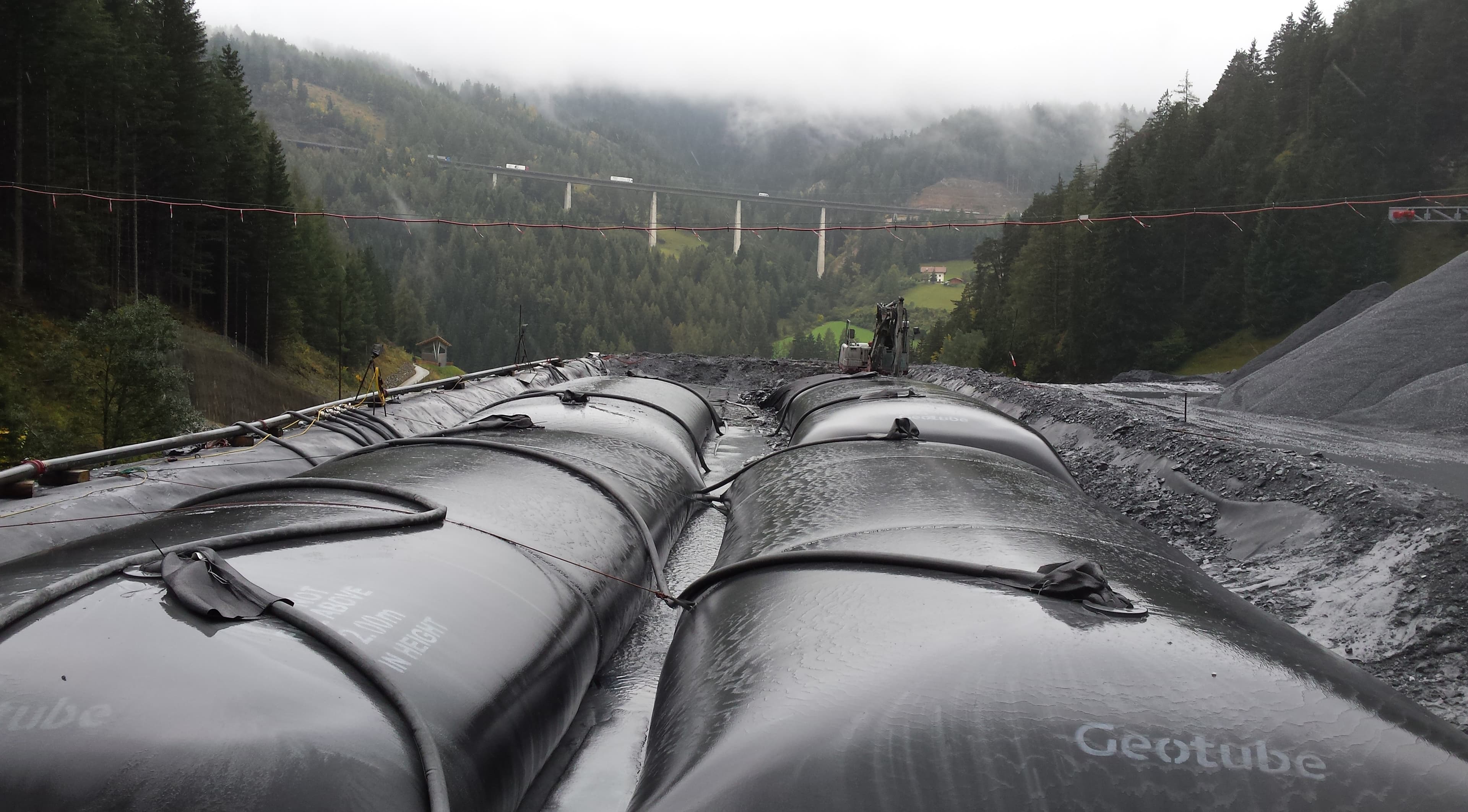
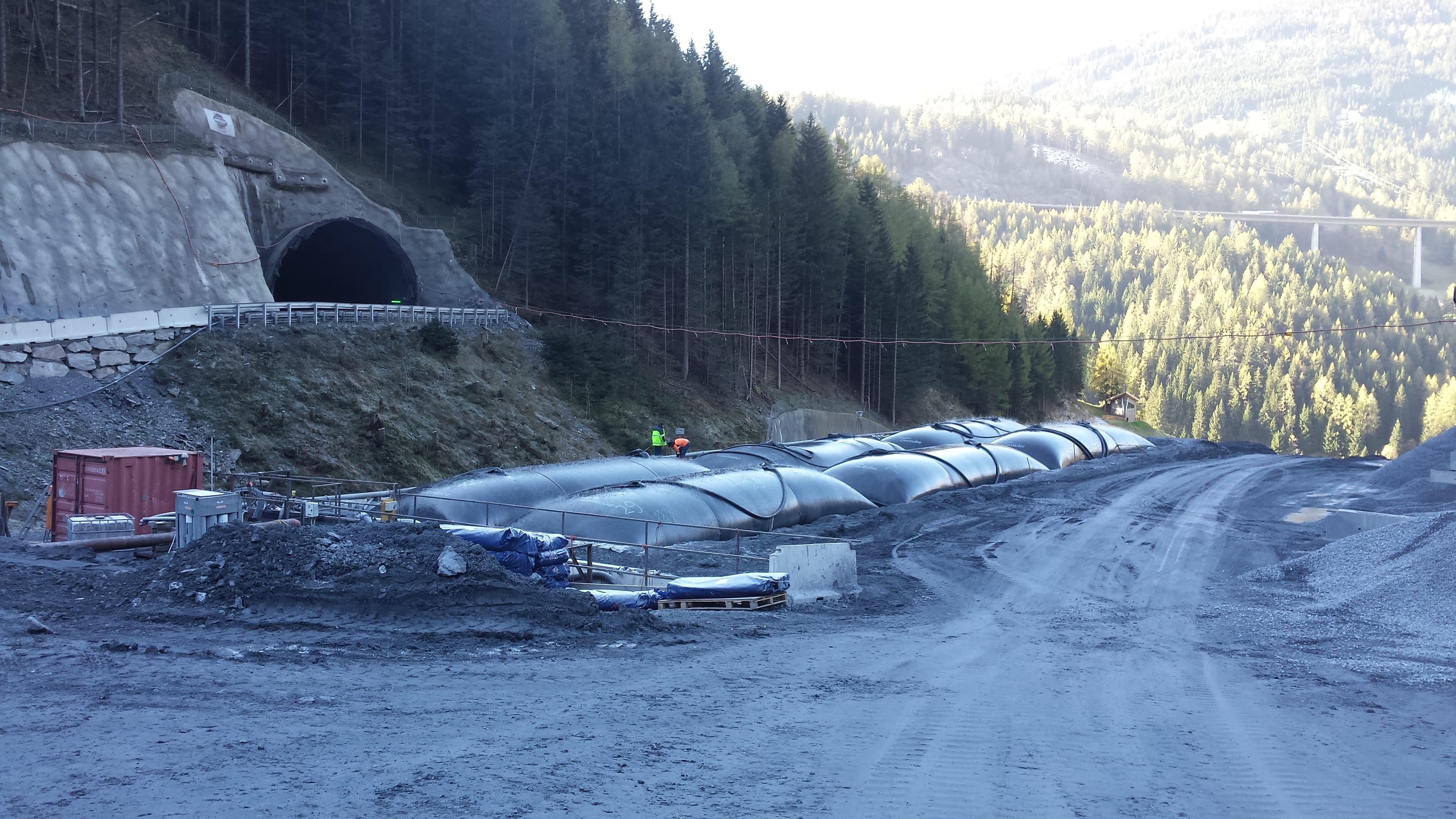
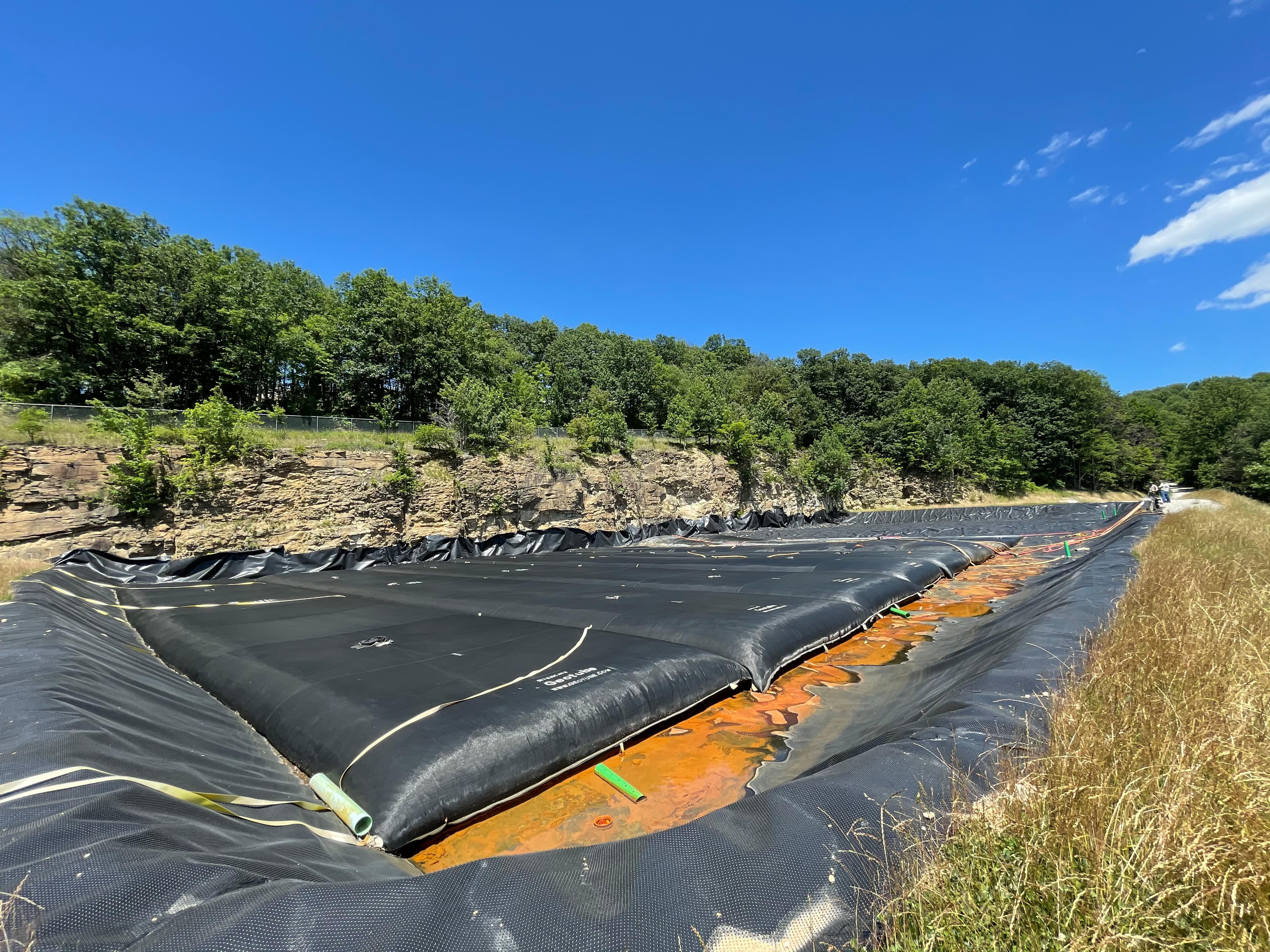
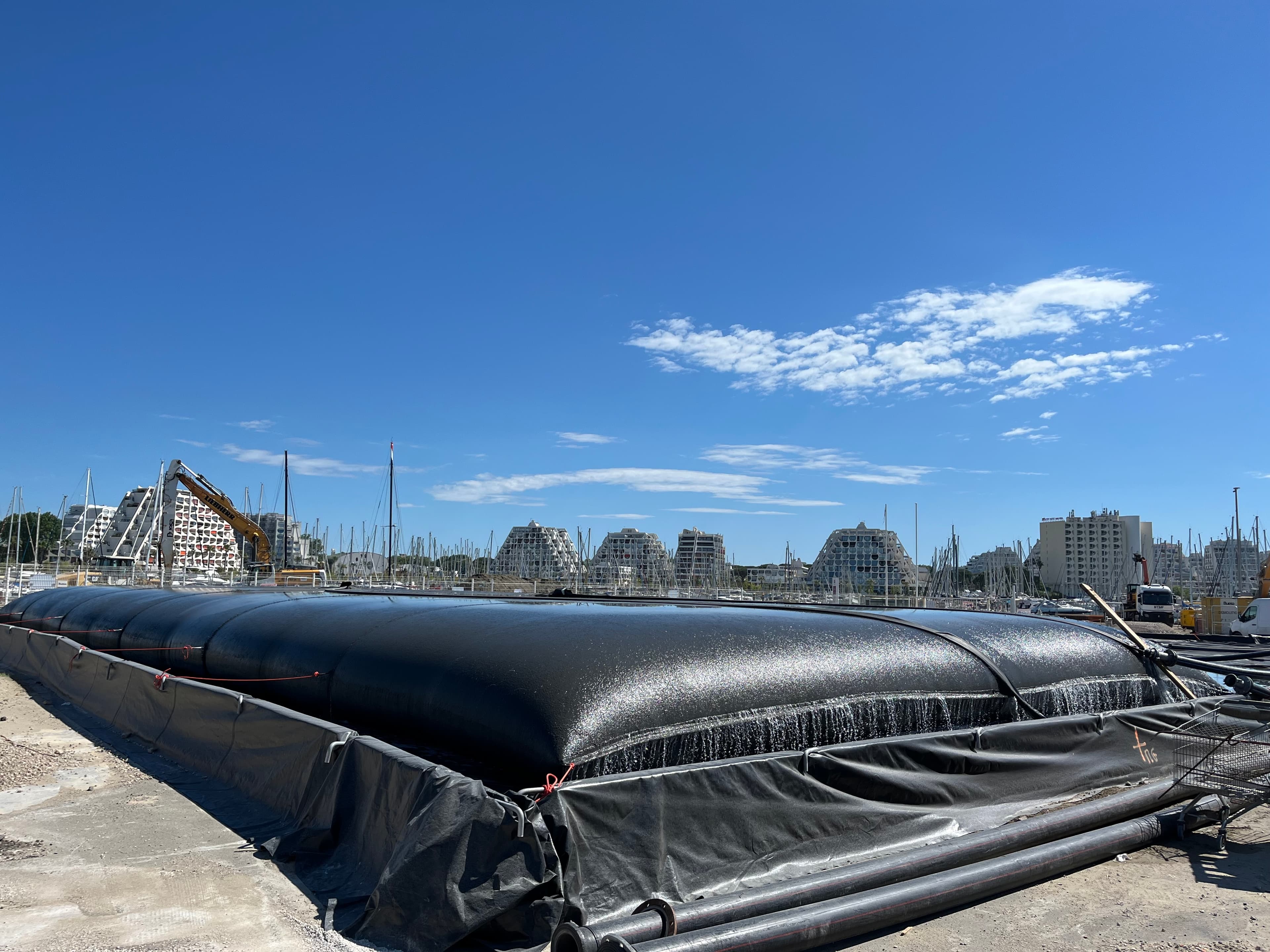
To address these constraints, the contractor adopted tube dewatering using GEOTUBE® units. After comparative trials, the GEOTUBE GT500D geotextile fabric was selected due to its superior effluent clarity and sustained permeability under fluctuating solids loads. With technical support, a rotating system of three pairs of tubes was established on a compact footprint of approximately 45 × 10 m. Each GEOTUBE dewatering containers accommodated about 350 m³ of sludge, allowing continuous operation by alternating filling and dewatering cycles.
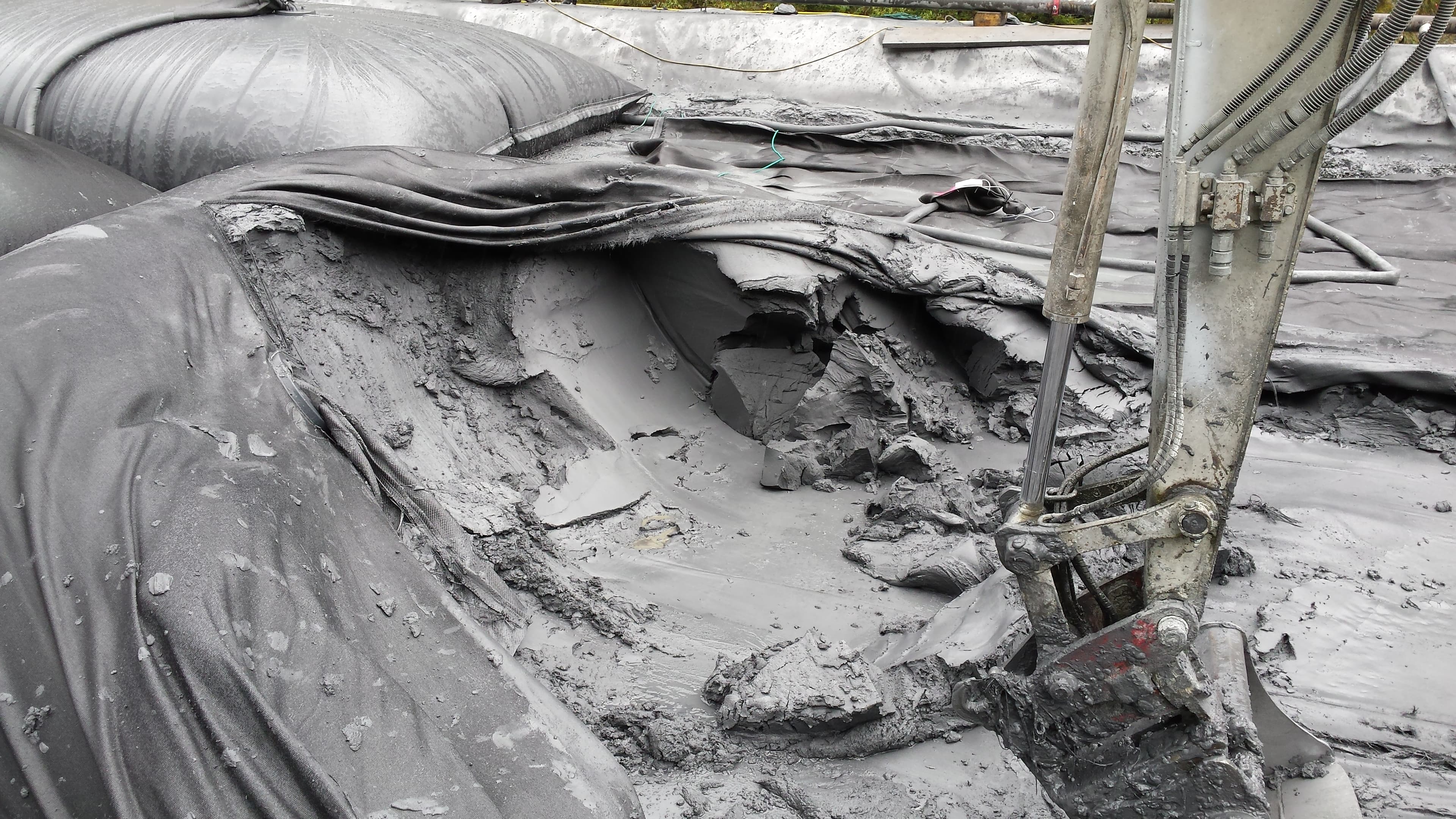
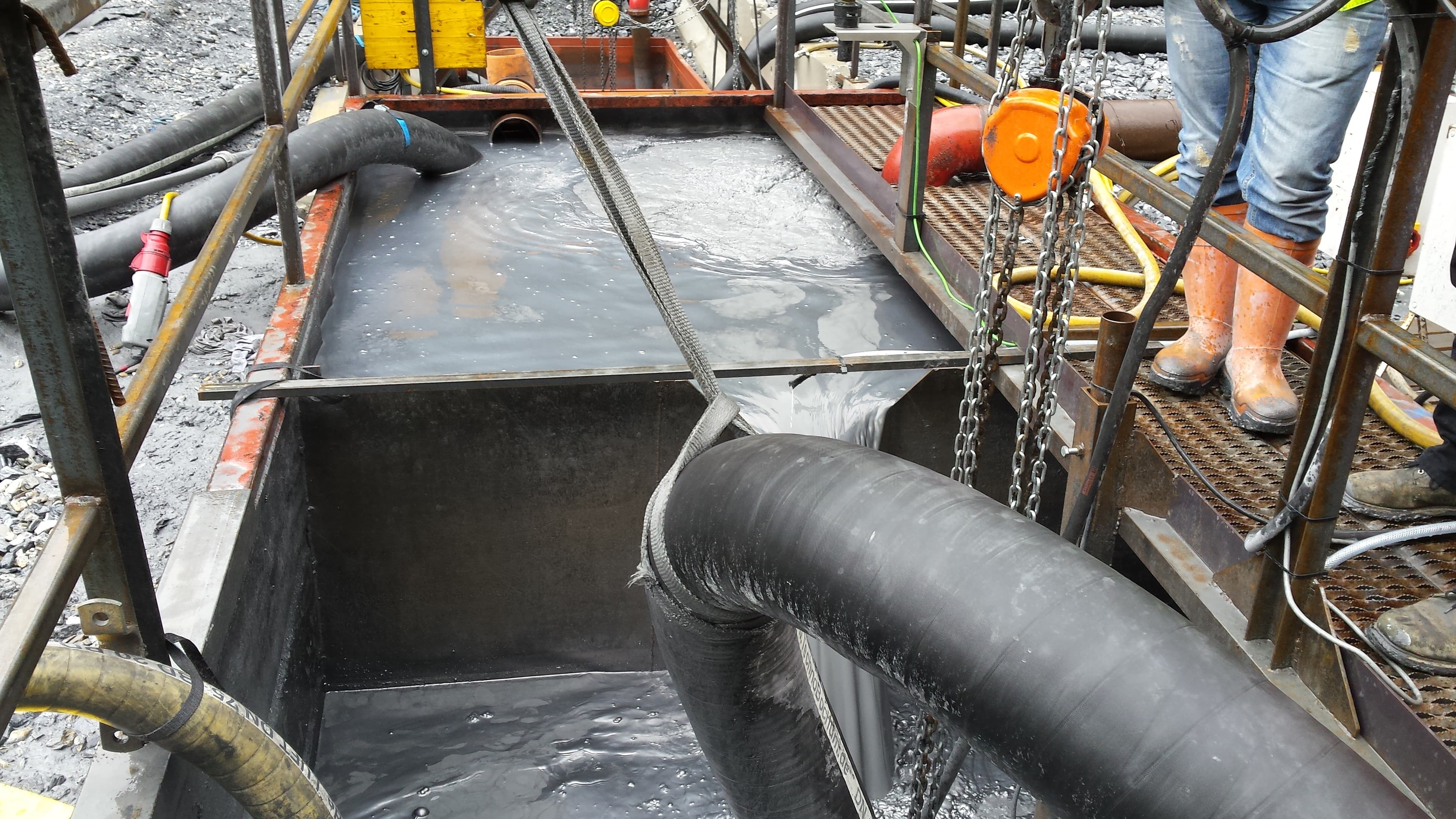
Prior to entering the GEOTUBE dewatering containers, the slurry was mixed with inline injection of polymers. This treatment agglomerated fine particles into larger flocs, accelerating dewatering and preserving the permeability of the geotextile. Clarified effluent discharged from the tubes was pumped directly back to the wash plant, maintaining an uninterrupted water supply. The dewatered solids were reduced to roughly 10 percent of the original slurry volume and could be handled using the same excavators employed in daily grading operations. Dewatered material was then transported by truck to the deposit area in a clean and controlled manner.
This approach delivered a flexible, low-energy dewatering system that accommodated variable slurry conditions, ensured high-quality water reuse, and supported continuous aggregate processing within the spatial and operational limits of the tunnelling works.