Overview
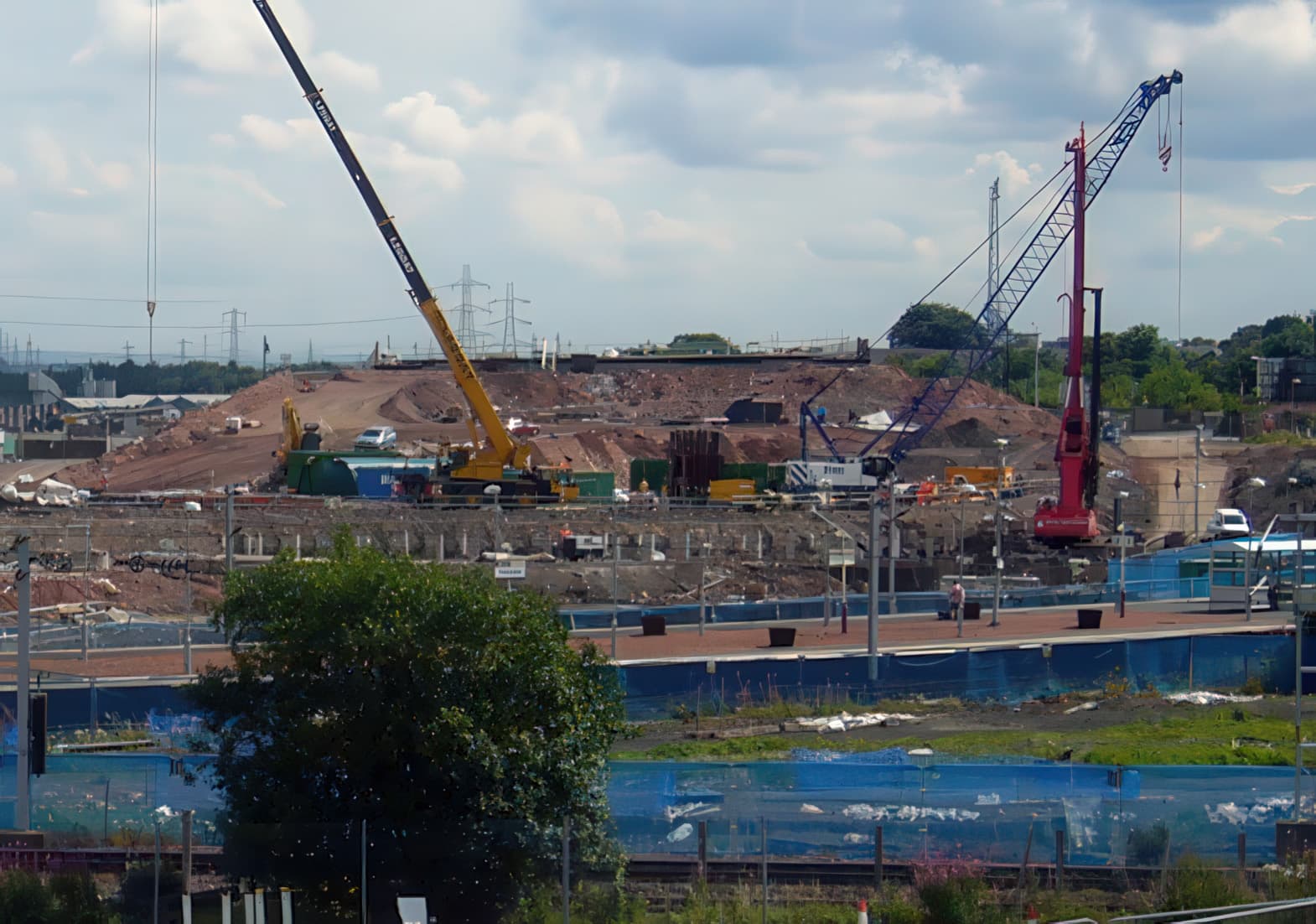
The M74 Completion project comprises the last stage of completing the motorway network in the Glasgow area. The project is 8.5 km in length, and continues from the existing M74 Motorway at Fullarton Road to the M8 Motorway south west of Kingston Bridge near Glasgow City Center. The route comprises four major grade-separated junctions including a large motorway viaduct which is over 750 m long. The M74 Completion project crosses predominantly brownfield land, some of which is heavily contaminated by past industries. Consequently, the design favored above-ground construction with only a small length of cut. Further, the motorway alignment lies on the southern side of the Clyde River where deep layers of soft alluvial clay foundation soils predominate. These clays range between 12 m to 35 m in depth and overlie dense sand, glacial till and rock. Because of a tight construction schedule, extensive use had to be made of foundation treatment techniques.
Prior to the start of the contract, a number of old industrial buildings along the alignment of the intended motorway were demolished. For environmental reasons, the building and foundation rubble was recycled by crushing and reusing it within the embankments, and not disposed of in landfill. The recycled material was also used in the construction of the piling platforms. Threading the route through an urban location meant isolated work sites and although much of the route was derelict, numerous businesses were affected.
Challenge
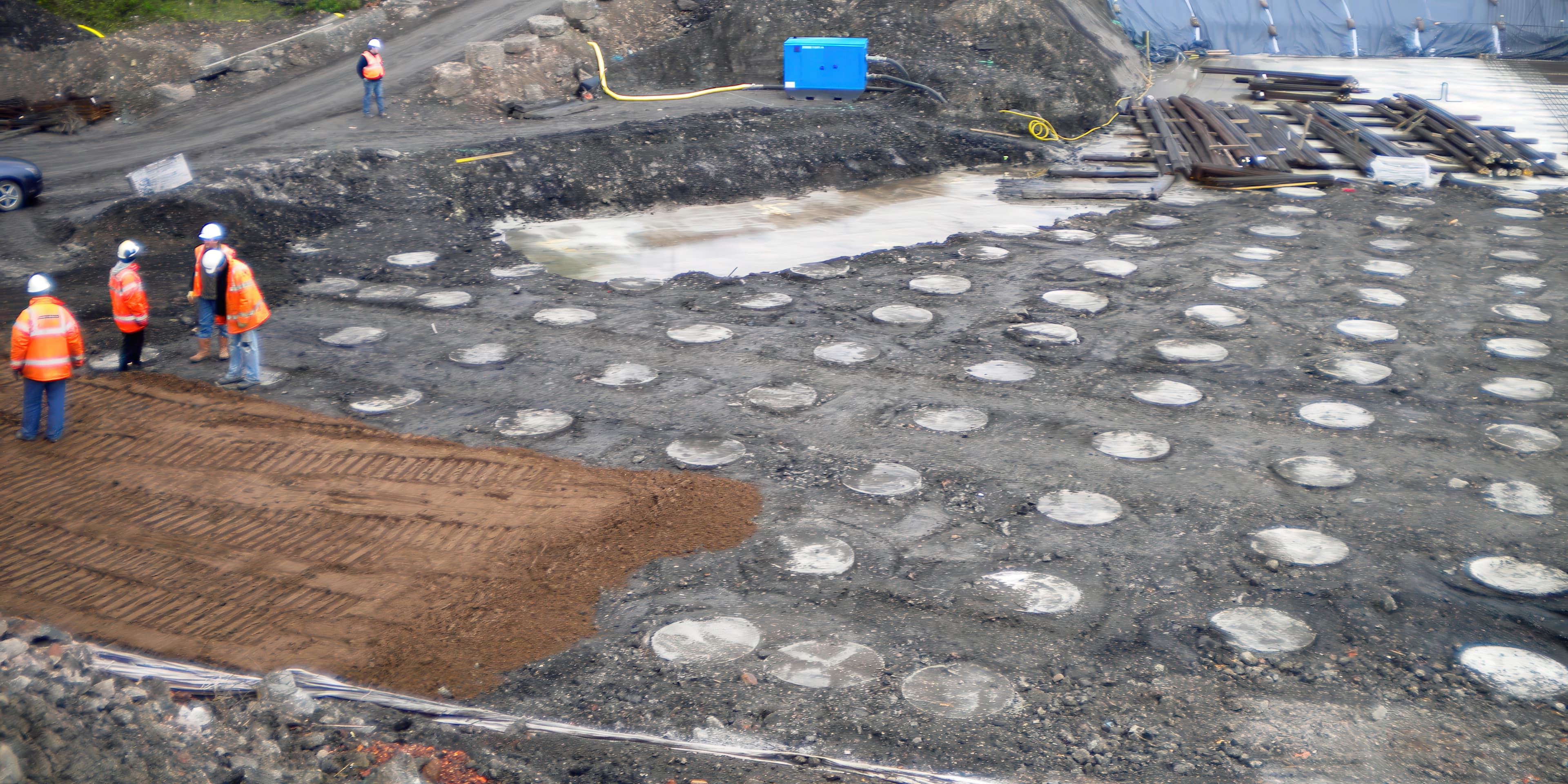
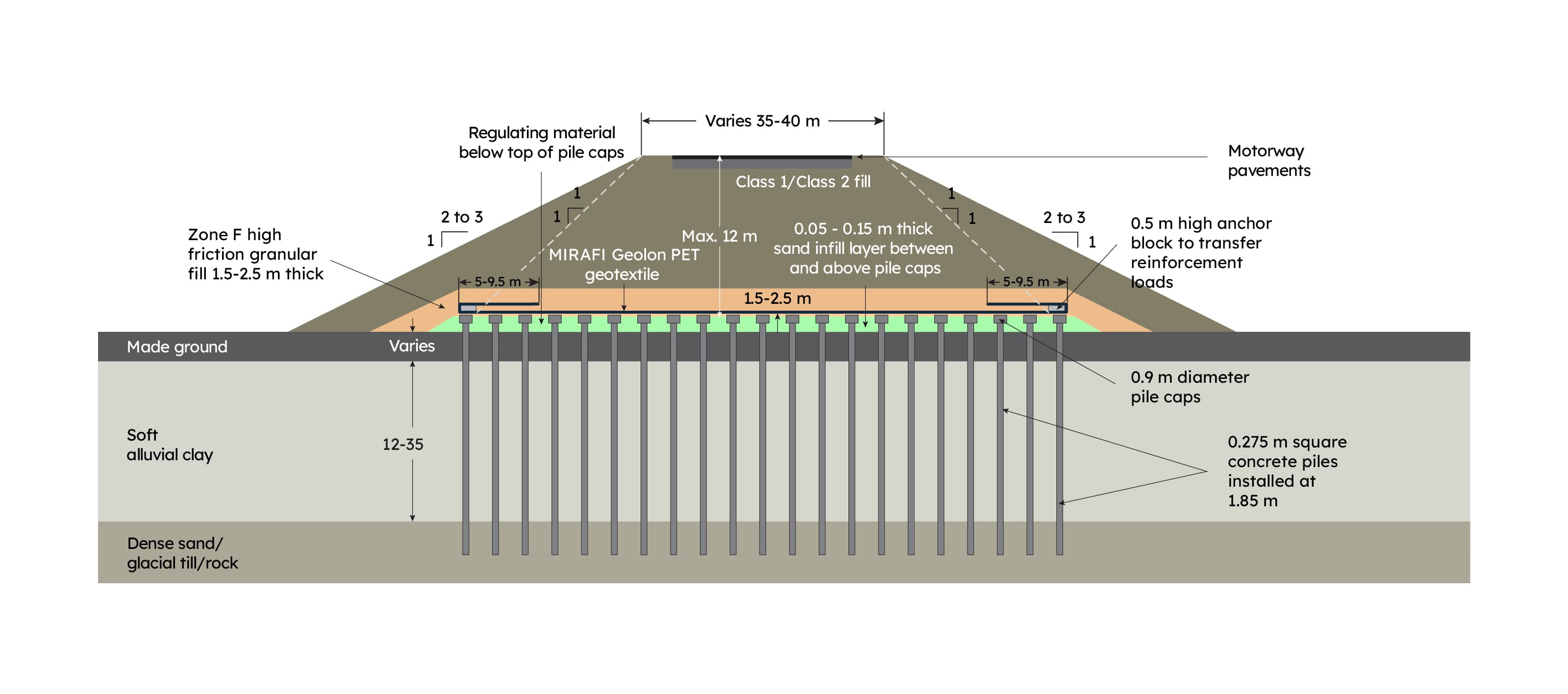
To enable rapid construction and prevent differential settlements, the 13 approach embankments to the grade-separated junctions were designed with piled foundations and basal geosynthetic reinforcement. Each approach embankment was designed specifically in terms of pile spacing, pile cap size, and basal geosynthetic reinforcement strength and extension. The design of the basal reinforced piled embankments was carried out in accordance with BS8006:2010, an internationally recognized design code. To support the approach embankment loadings, 275 mm square precast reinforced concrete piles were used throughout for the foundations of the piled embankments. These were driven into a variety of formation types to depths of between 12 m and 35 m. The spacings between the piles varied according to the embankment loads, and ranged from 1.6 m to 2.2 m on a square grid at the different approach embankment sites.
Once the piles had been installed, they were capped with circular, cast in-situ, concrete caps of 900 mm diameter. Next, between 0.05 m and 0.15 m of sand infill was placed and spread to bring the ground level up to 0.05 m above the pile caps. This sand infill layer provided a smooth bedding for the MIRAFI® Geolon PET geotextile reinforcement across the tops of the pile caps.
Solution
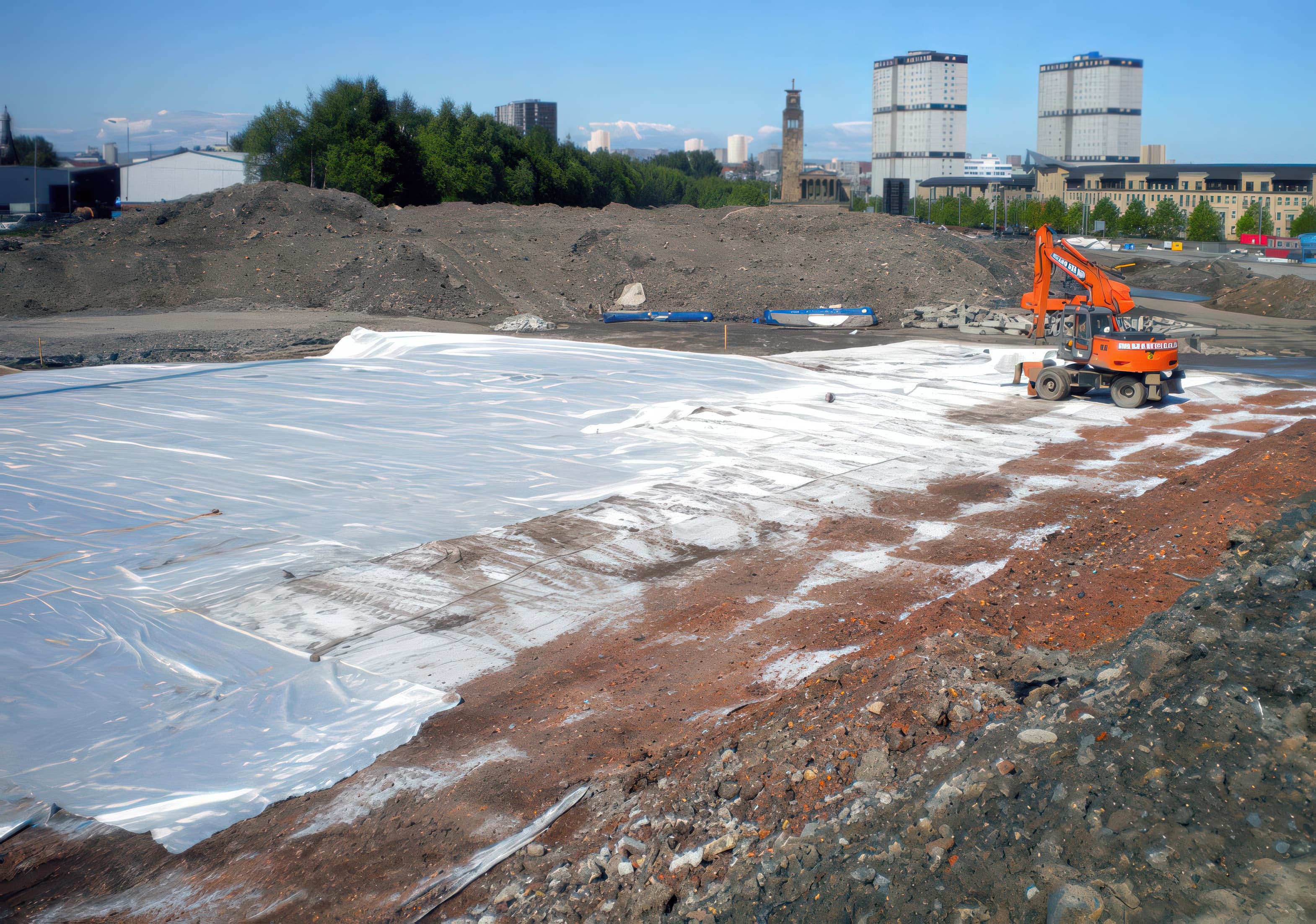
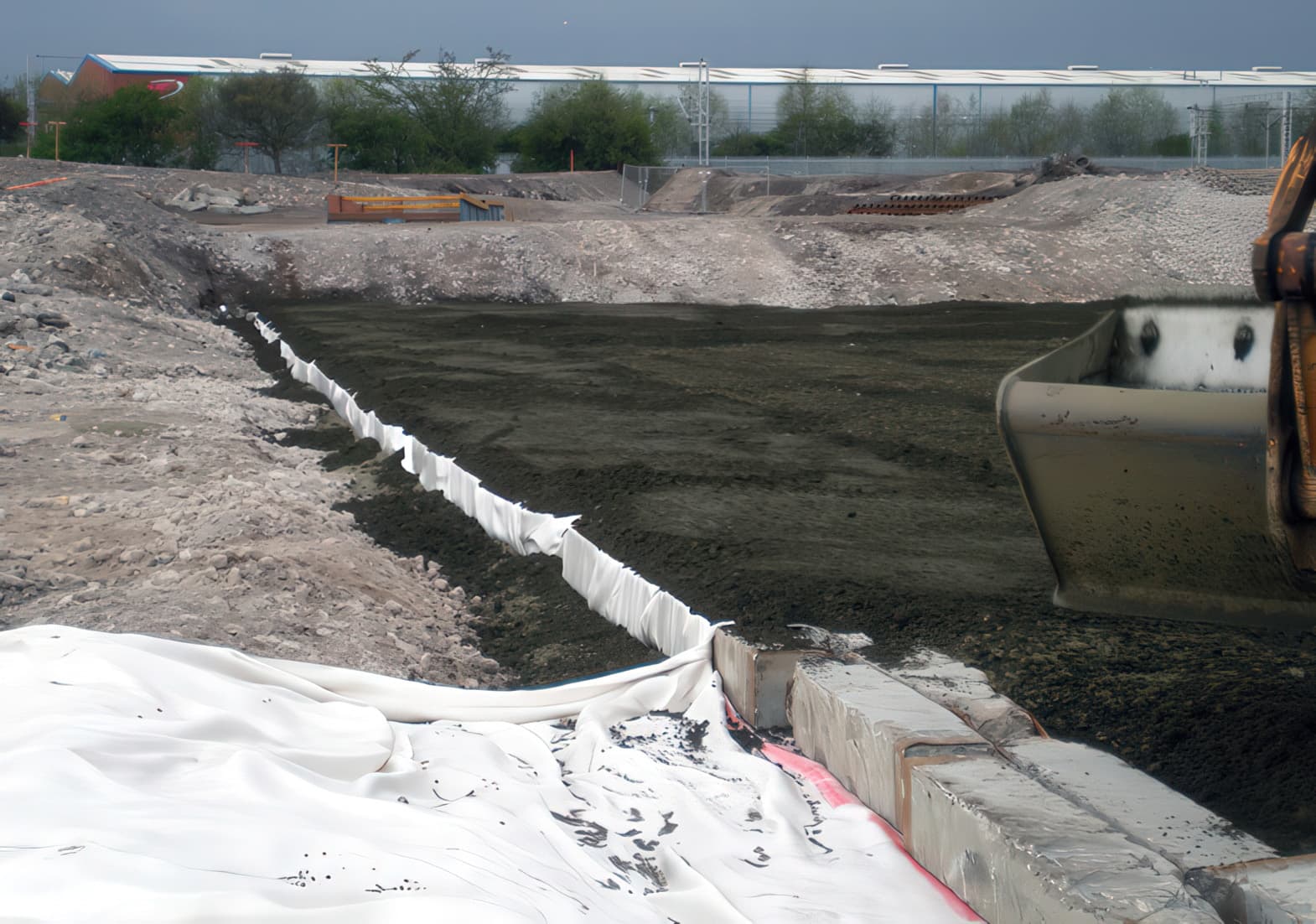
MIRAFI Geolon PET geotextile reinforcement was placed in two layers, at right angles to each other, across the tops of the pile caps over the base of the approach embankments. One layer of MIRAFI Geolon PET geotextile reinforcement, with tensile strengths ranging from 100 kN/m to 200 kN/m, was placed along the length of the approach embankments. The second layer, with tensile strengths ranging from 400 kN/m to 1,600 kN/m, was placed across the width of the approach embankments. At the extremity of the piled embankment foundation, the geotextile reinforcement layer was wrapped around a rectangular anchor block and brought back into the embankment fill a required distance in order to develop adequate frictional bond resistance to support the tensile loads generated across the outer piles.
Once the MIRAFI Geolon PET geotextile reinforcement had been installed, Zone F high-friction granular fill material was placed over the top to a thickness varying from 1.5 m to 2.5 m. Following this, general Class 1/Class 2 fill was used for the remainder of the embankment construction. As part of the monitoring process, a regime of subgrade and surface monitoring at the pile/structure interface was included. Finally, the pavement capping layer and base course and surface layers were constructed, along with the necessary traffic ancillary items.