Do you care if it leaks?
Geotextiles are engineered, permeable fabrics used to improve how soil and water behave in civil, geotechnical and environmental engineering. They are typically made from polymers such as polypropylene (PP) or polyester (PET), chosen for their durability and predictable long-term behavior. Because they allow water to pass while retaining soil, geotextiles are placed between soil layers or between soil and structures to separate, stabilize, filter and protect engineered systems. Their ability to maintain soil structure, control water flow and distribute loads makes them essential in modern infrastructure – from roads and railways to landfills, mines, dams and coastal protection.
Geotextiles function by influencing both the mechanical behavior of soil and the movement of water through soil systems. Soil loses strength when saturated, settles under repeated loading and erodes when fines migrate; geotextiles counter these mechanisms by providing tensile restraint, controlled pore structures and predictable hydraulic behavior. Across global standards and research, their behavior is grouped into five primary functions: separation, filtration, drainage, reinforcement and protection. Most geotextiles are specified based on a combination of these functions.
The core functions of geotextiles describe how these materials interact with soil and water to improve the performance of civil and environmental structures. Although geotextiles come in many forms, their engineering behavior is consistently grouped into five primary functions: separation, filtration, drainage, reinforcement and protection. Each function addresses a specific limitation of soil, whether related to load-bearing, stability, erosion or hydraulic behavior, and understanding these functions is essential for correct material selection and design.
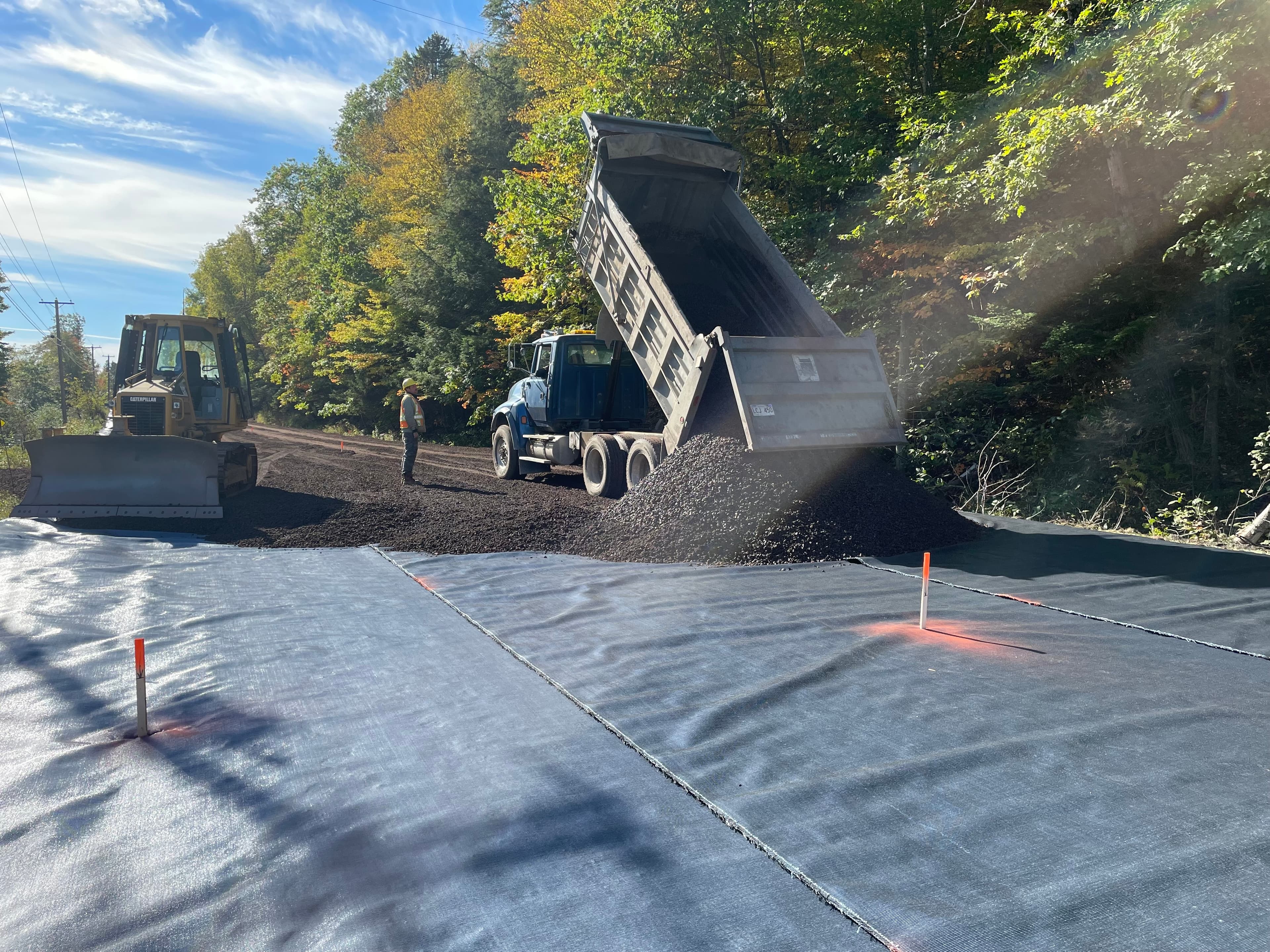
When fine subgrade soils and granular base materials mix, the structural capacity of both layers degrades, leading to rutting, deformation and premature failure. A separation geotextile prevents this intermixing while still permitting vertical drainage. The geotextile maintains layer integrity, reduces maintenance and prolongs pavement and platform life.
Common uses: roads, railbeds, working platforms, embankments on soft soils.
Filtration involves retaining soil particles while allowing water to pass through the geotextile in a controlled manner. Good filtration design balances pore size, permeability and thickness to avoid either clogging or soil loss. If pore sizes are too small, the system may clog; if too large, internal erosion and piping can occur.
Common uses: retaining walls, revetments, drainage trenches, pipe envelopes.
Drainage refers to the movement of water within the plane of the geotextile or within a geotextile–geonet composite. These materials collect groundwater, leachate or pore water and convey it to controlled outlets. By reducing pore pressure and directing water away from foundations or liners, drainage layers enhance stability and prevent uplift or localized saturation.
Common uses: leachate collection, gas venting, edge drains, tunnel drainage, sports fields.
Soils possess little tensile strength. High-modulus woven geotextiles provide tensile capacity that soils cannot mobilize on their own. Through interface friction or interlock, a geotextile distributes loads more widely, controls deformation, increases bearing capacity and improves performance under repeated loads.
Common uses: embankments on soft ground, steepened slopes, road bases, load transfer platforms.
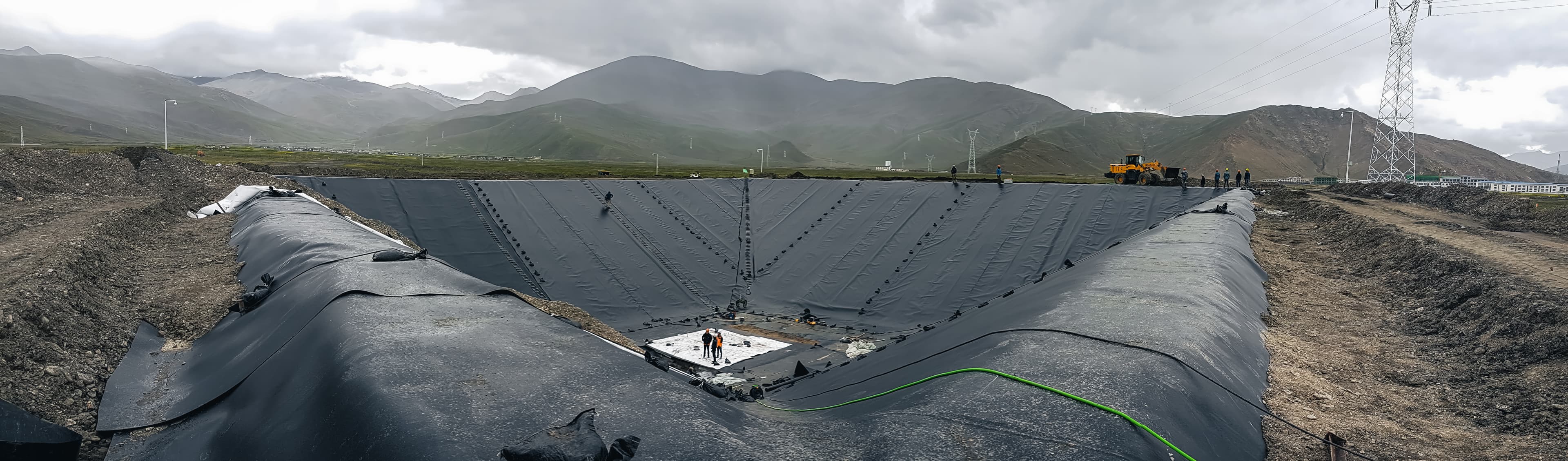
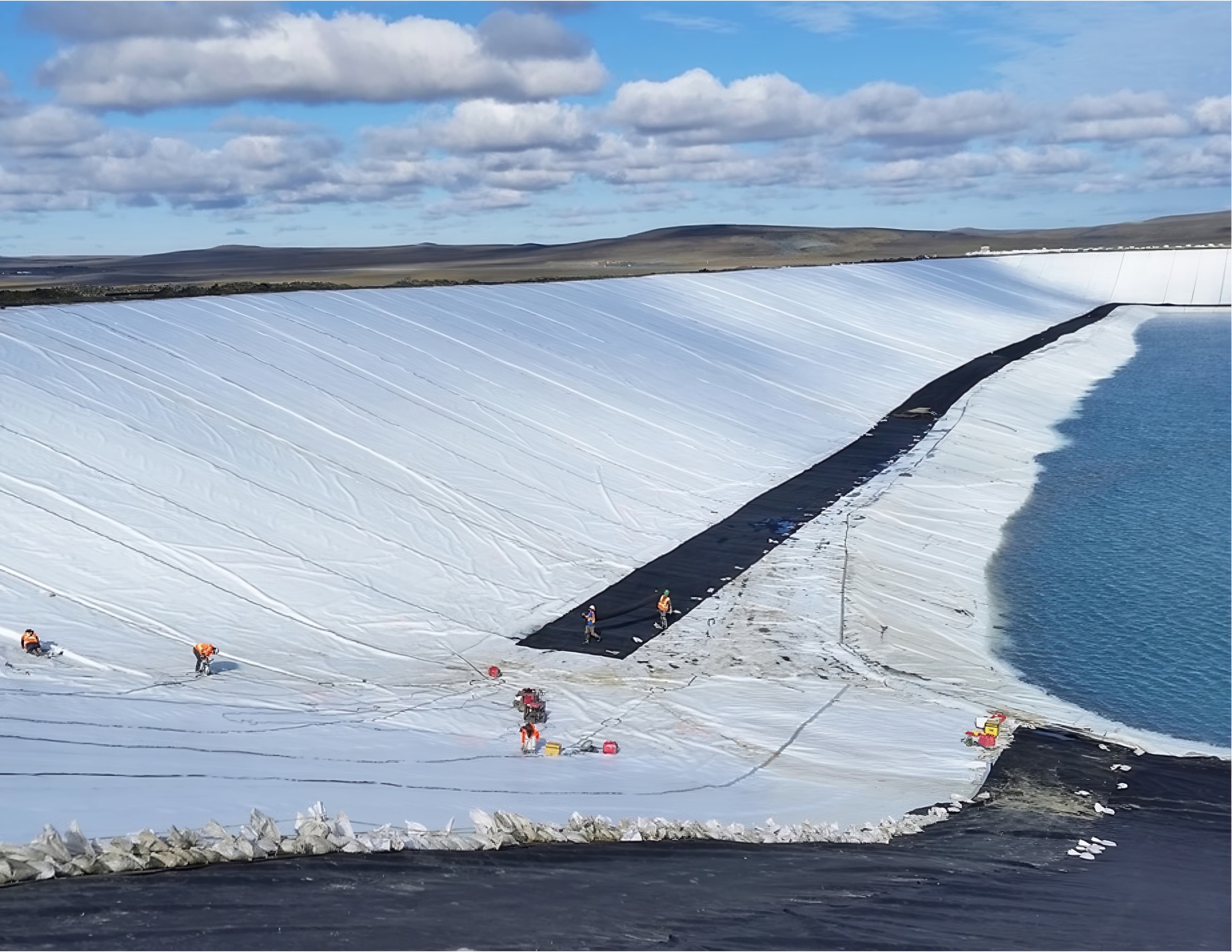
Protection geotextiles prevent mechanical damage – particularly puncture – to sensitive barrier materials such as geomembranes. They work by spreading concentrated loads, embedding sharp particles, and reducing point stresses. Their behavior under compression is critical in landfill liners, tailings facilities and reservoir systems where high loads occur.
Common uses: landfill liners, pond and canal liners, mining containment systems.
Geotextiles come in several forms, each designed to work differently with soil and water. The two most common categories are woven and nonwoven geotextiles, and each offers distinct advantages based on strength, permeability and thickness. In addition, specialty and high-performance geotextiles have been developed for more demanding or unique engineering challenges. Knowing the differences between these types helps engineers match the geotextile to the needs of the project.
Woven geotextiles are produced by interlacing yarns or tapes in a controlled pattern, resulting in predictable tensile behavior and defined pore sizes. They are suited for reinforcement and applications requiring stable hydraulic openings.
Nonwoven geotextiles consist of randomly oriented fibers that are needle-punched or thermally bonded into a continuous fabric. Their three-dimensional pore structure offers high permeability, good filtration performance, and excellent cushioning behavior.
High-performance and specialty geotextiles: Evolving project demands have led to developments such as:
Moisture management (wicking) geotextiles to move water laterally and reduce moisture beneath pavements in saturated and unsaturated conditions
High-modulus reinforcement geotextiles for long-term, sustained loading
Geotextile–geonet and geotextile–geogrid composites combining multiple function
Biodegradable natural-fiber geotextiles for temporary erosion control
Because geotextiles solve common soil and water challenges, they appear in almost every type of infrastructure project. They keep roads stable, protect geomembranes in landfills, manage drainage in reservoirs, and help prevent erosion along rivers and coastlines. Their combination of strength, permeability and flexibility makes them a practical solution in both large-scale engineering projects and everyday civil works.
Transport infrastructure depends on stable, well-drained layers. Geotextiles maintain separation, reinforce weak soils, and help manage water, all of which improve structural performance and extend pavement life.
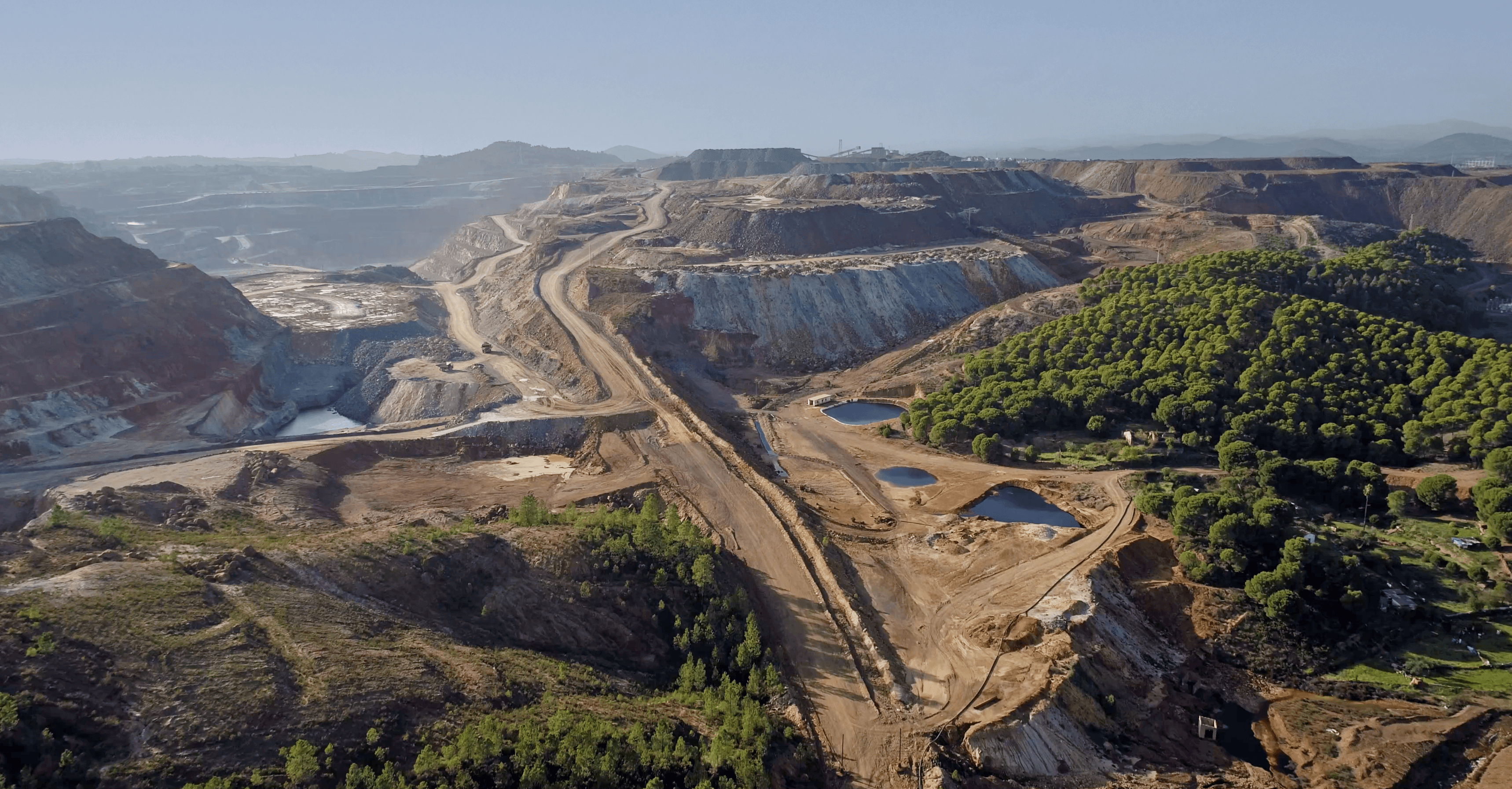
Mining facilities require robust, predictable behavior under heavy loads and aggressive conditions. Geotextiles stabilize haul roads, protect liners, manage drainage and support large containment structures.
Geotextiles are integral to layered containment systems. They provide protection, filtration and drainage around geomembranes, ensuring long-term environmental performance in landfills and waste storage sites.
Hydraulic structures require controlled flow and erosion resistance. Geotextiles act beneath riprap, line canals, support embankments and stabilize drainage systems by preventing soil loss while maintaining hydraulic capacity.
Erosion, tidal forces and river flows can destabilize soils. Geotextiles provide durable filtration layers beneath armor systems, support vegetation and help maintain slope geometry under severe hydraulic loads.
Improved engineering performance
Higher load-bearing capacity of weak soils
Reduced settlement and deformation
Long-term stable filtration behavior
Lower construction and maintenance costs
Reduced need for high-quality aggregate
Faster installation, fewer layers, less equipment
Reduced environmental impact
Lower requirements for quarried materials
Decreased transportation emissions
Longer service life and fewer repairs
ISO 10318-1:2015. Geosynthetics – Terms and definitions. ASTM D4439-20. Standard Terminology for Geosynthetics. Koerner, R. M. (2012). Designing with Geosynthetics, 6th Ed.
Christopher, B. R. (1993). “Filtration principles, practices and problems.” Geosynthetics ’93.