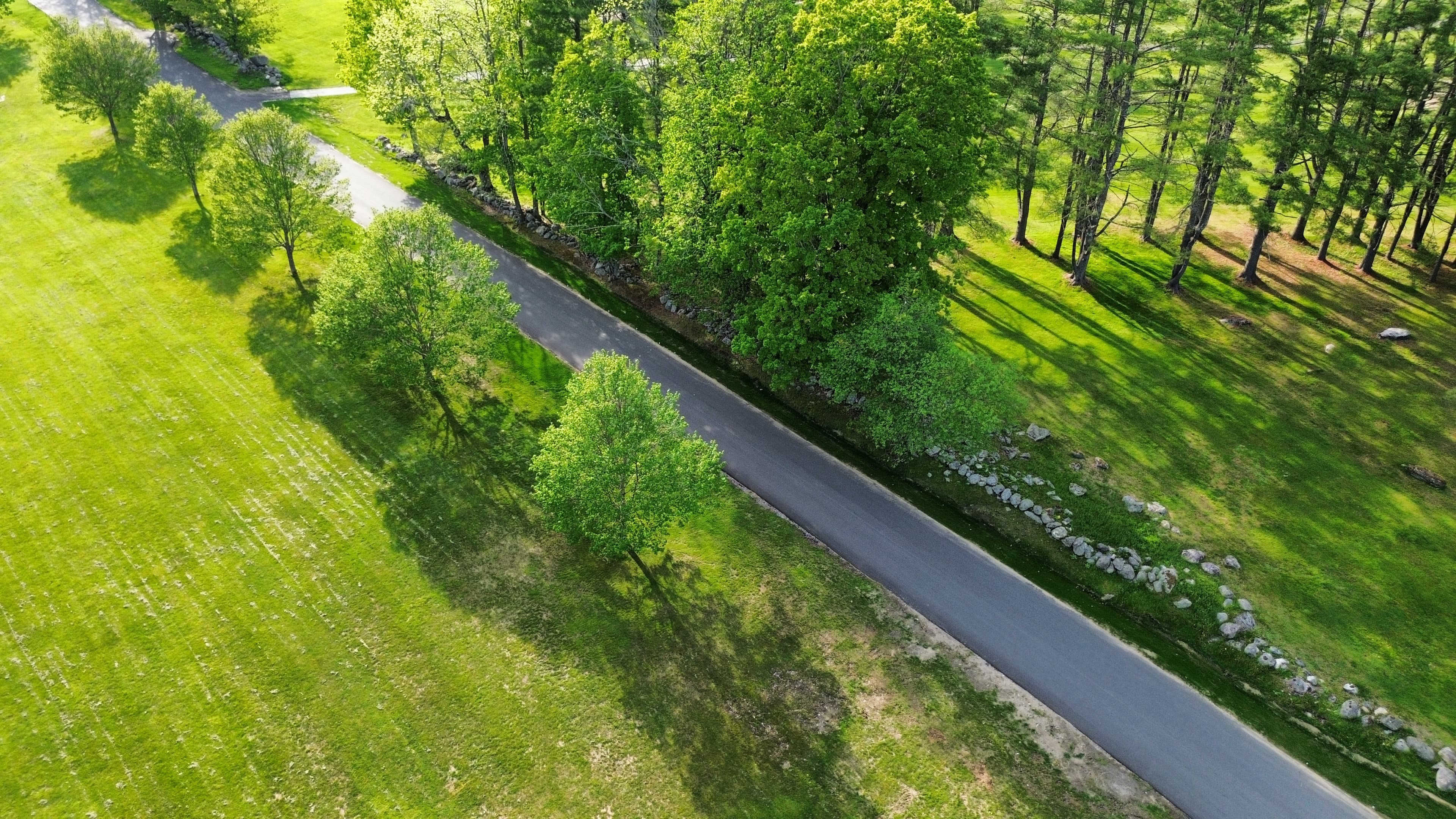
Crowne point country club case study
Crowne Point Country Club rehabilitated a deteriorated Vermont access road with MIRAFI H2Ri, using active moisture management to address saturated soils, frost-related distress and subgrade instability.
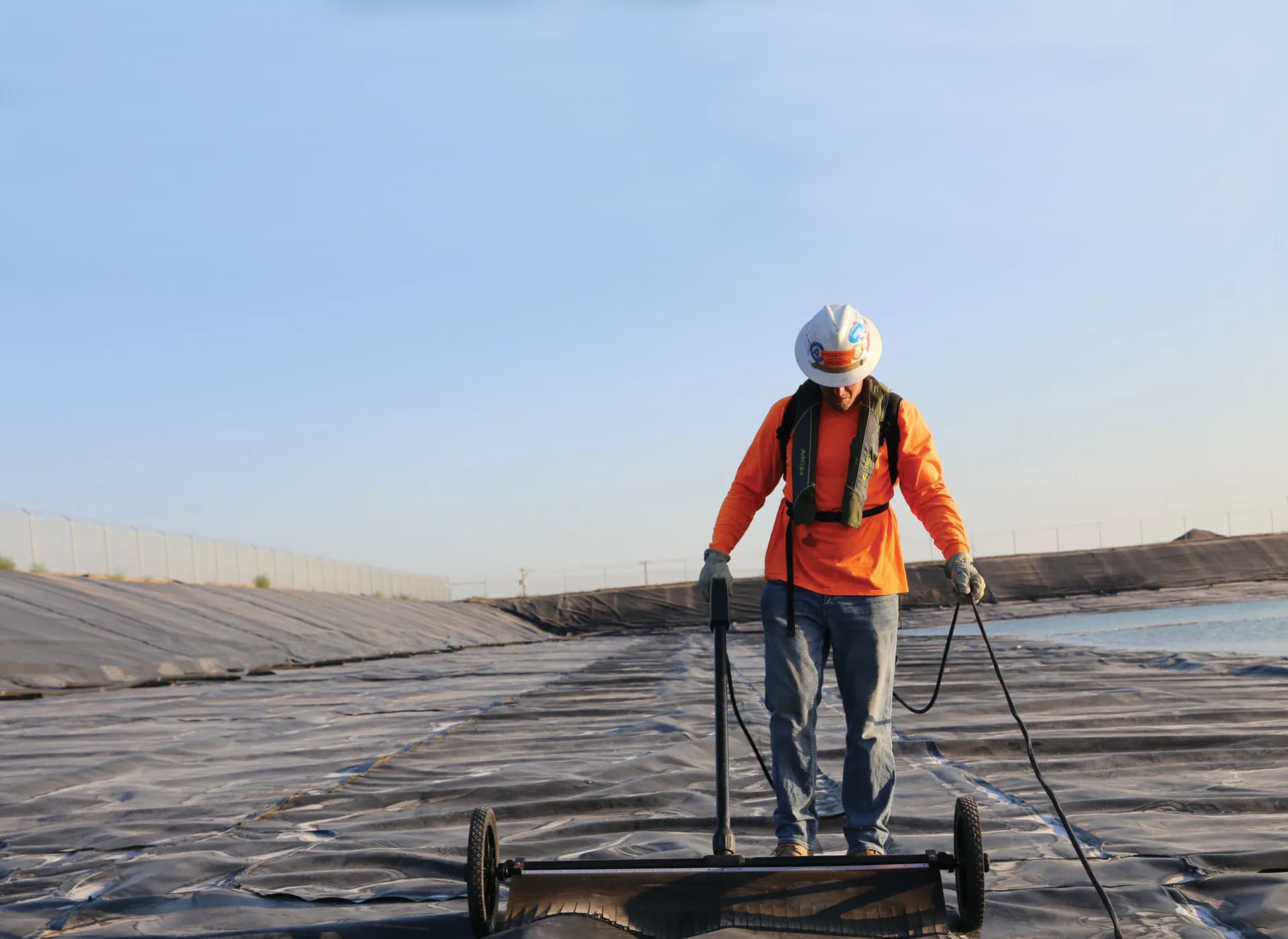
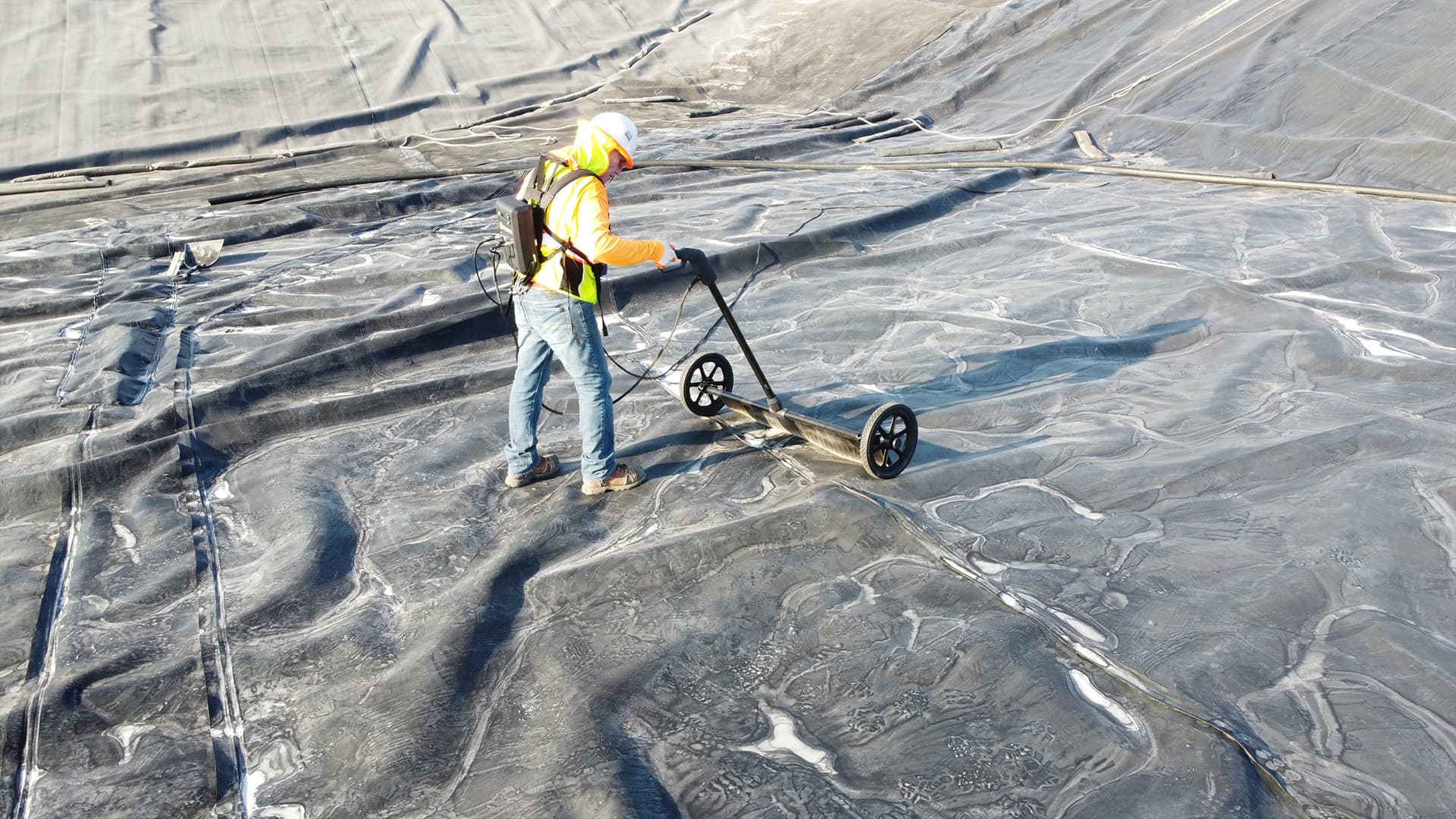
The S-100 spark tester conforms to wrinkles to make intimate contact between the geomembrane and conductive substrate, providing more accurate leak detection than traditional ELL surveys.
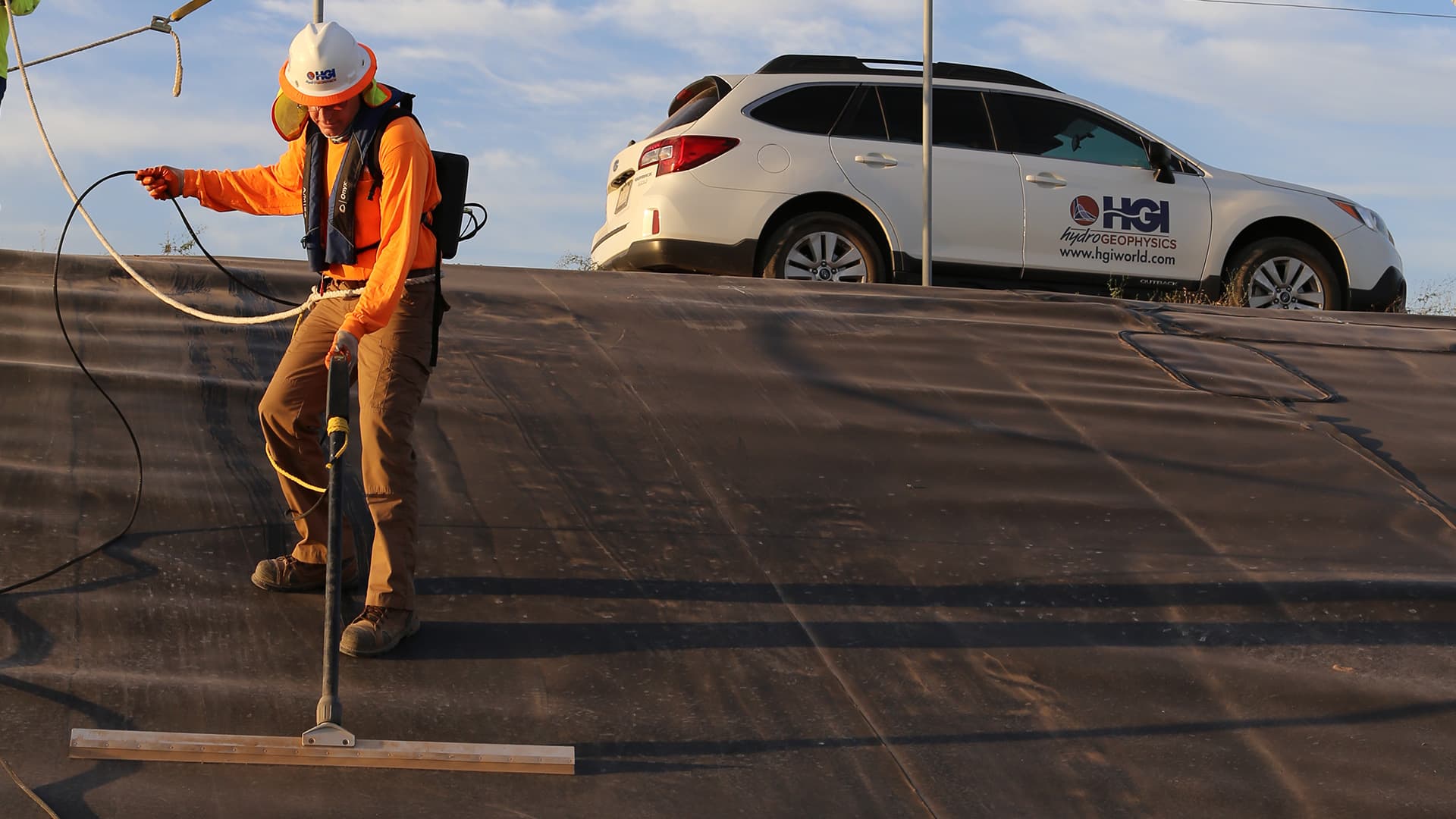
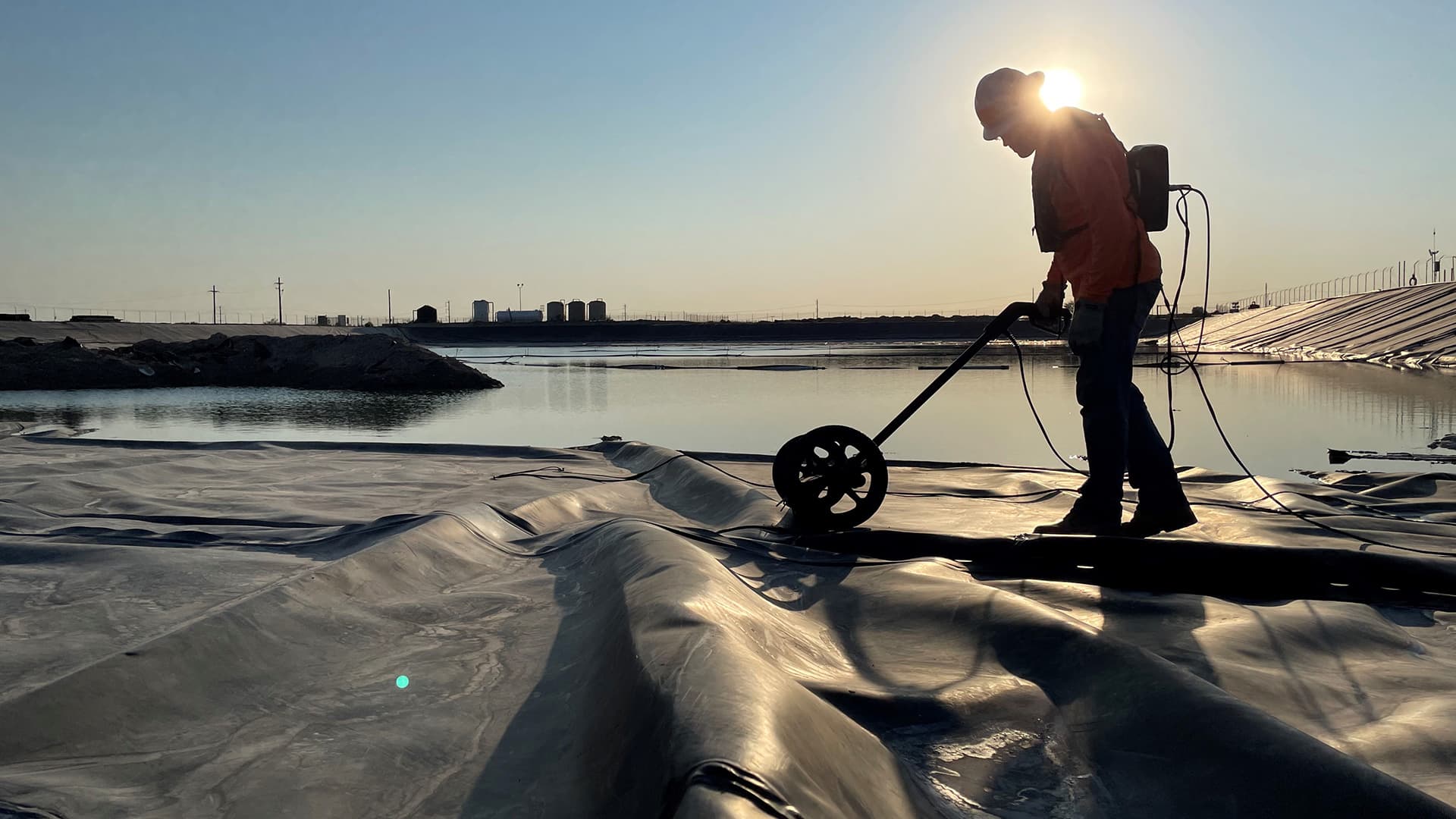
A section of an evaporation pond sat exposed to the elements for 24 years causing unconformities in its liner. The GSE Leak Location Suite ensured all leaks were detected before the pond was used.
Crowne point country club case study
Crowne Point Country Club rehabilitated a deteriorated Vermont access road with MIRAFI H2Ri, using active moisture management to address saturated soils, frost-related distress and subgrade instability.

Lake bank stabilization at Vivid Shores
At Vivid Shores in Bonita Springs, Florida, PROPEX® Armormax®, MIRAFI® FW403 and MIRAFI 140N stabilize lake banks exposed to wind-driven wave erosion. Completed sections are performing as designed.

GSE HD geomembrane lined salt ponds ensure long-term brine containment
GSE® HD geomembrane lined over 3.4 million m² of evaporation ponds to prevent brine seepage under extreme heat and UV exposure. This continuous barrier eliminated salt discharge and protected the surrounding environment.
A copper mine pond was built in Florence, Arizona in 1997 to serve as an evaporation pond for process water using the GSE® Leak Location® conductive liner. The five-acre pond was in service for 24 years during the first phase of operation, but only a small portion of the pond was utilized. This left a large portion of the geomembrane exposed without any water. An expansion to a second phase of operation created a need to utilize the full pond system. The exposed portion of the pond needed to be checked for damage before process water was added to this area.
Fluid in the leak detection layer was cause for concern, and warranted repair before increasing service volume in the pond. Geoelectric leak detection survey methods were used on the surface to locate geomembrane damage before commissioning the pond to hold the larger volume. This required two different electrical leak survey methods. One method was used on the water-covered portion and a second method was used for the exposed portion of the pond. Hydrogeophysics, Inc. (HGI) from Tucson, Arizona was retained to perform these surveys.
HGI chose Solmax’s S-100 spark tester to perform the exposed survey on the GSE Leak Location Conductive liner. Solmax’s S-100 is capable of testing with multiple electrode options, so the technician can adapt the equipment to changing surface conditions. A cart electrode was used on flat areas to provide a less-labor intensive survey and to provide a surface contour characteristic to allow for easier testing on wrinkles. A more traditional brush electrode was used on steep slopes, for safety reasons.
Using the S-100 spark tester, HGI successfully performed the electrical leak survey on the water covered geomembrane finding nine electrical anomalies and 58 holes on the exposed geomembrane portion of the pond.
This project illustrates two success stories of the GSE Leak Location Conductive liner. First, it is still successfully performing after 24 years of harsh exposure to the Arizona climate and was repairable. And second, the conductive layer on the bottom surface is still functioning to allow spark testing per ASTM D 7240 and to enable electric liner integrity testing of an exposed geomembrane over nonconductive materials.