
Lake bank stabilization at Vivid Shores
At Vivid Shores in Bonita Springs, Florida, PROPEX® Armormax®, MIRAFI® FW403 and MIRAFI 140N stabilize lake banks exposed to wind-driven wave erosion. Completed sections are performing as designed.
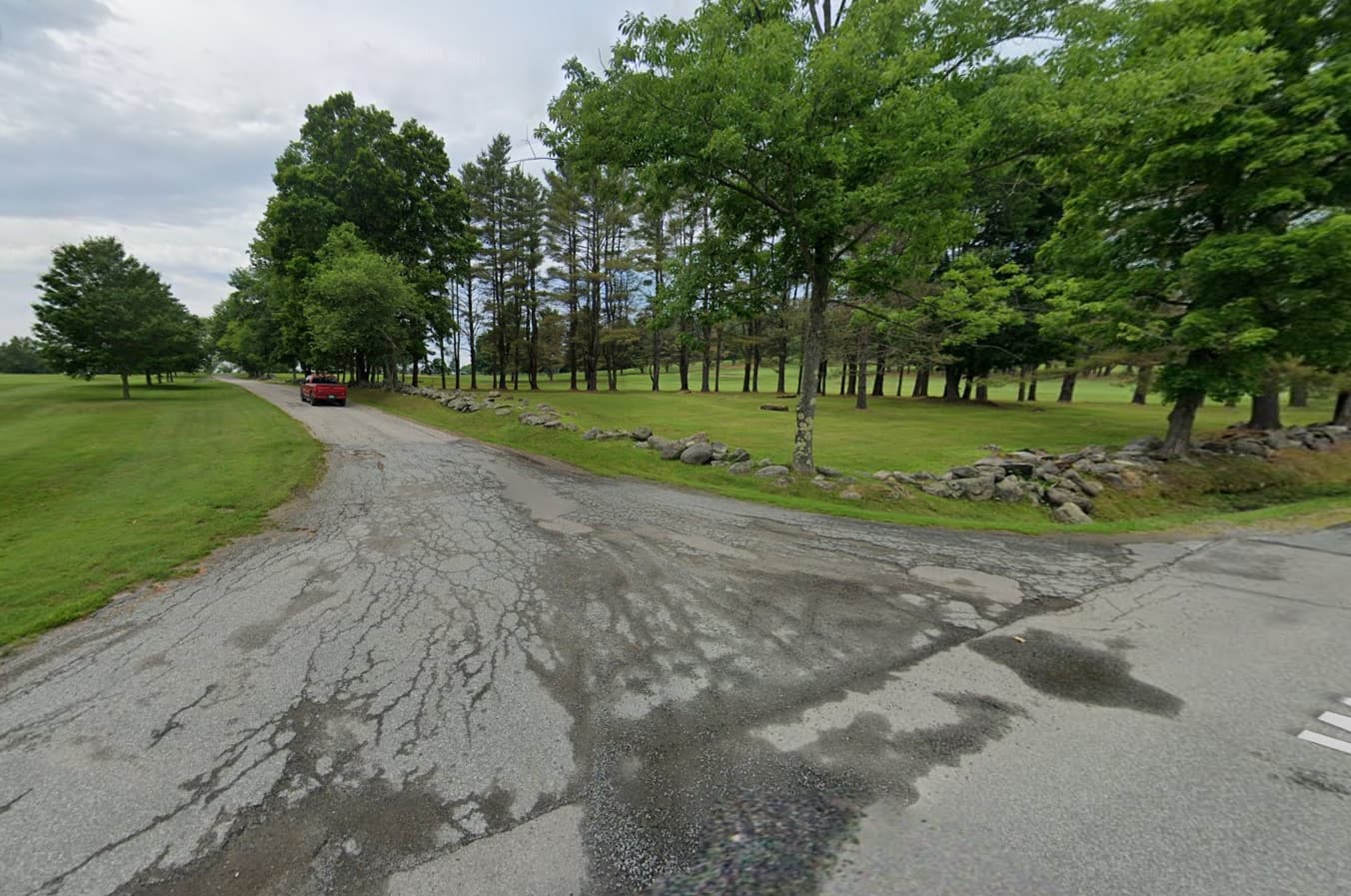
Widespread spiderweb cracking across the roadway indicated significant pavement deterioration and the need for reconstruction.
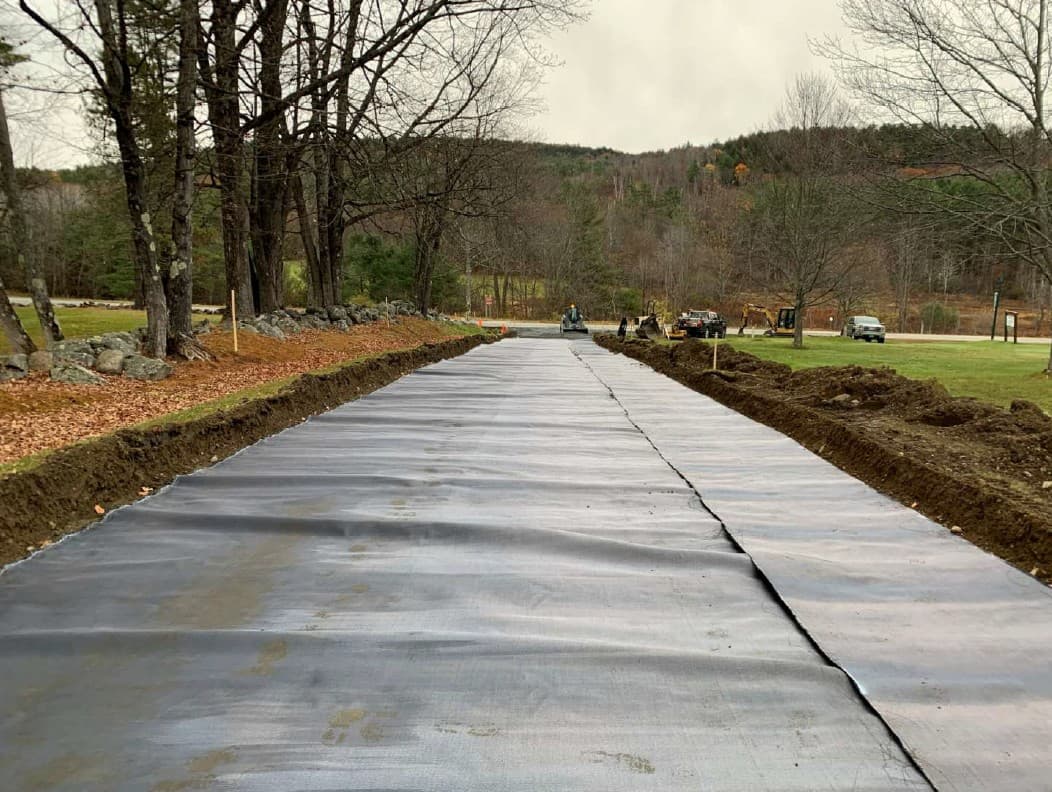
Crews completing the MIRAFI® H2Ri installation, creating a continuous layer over the subgrade.
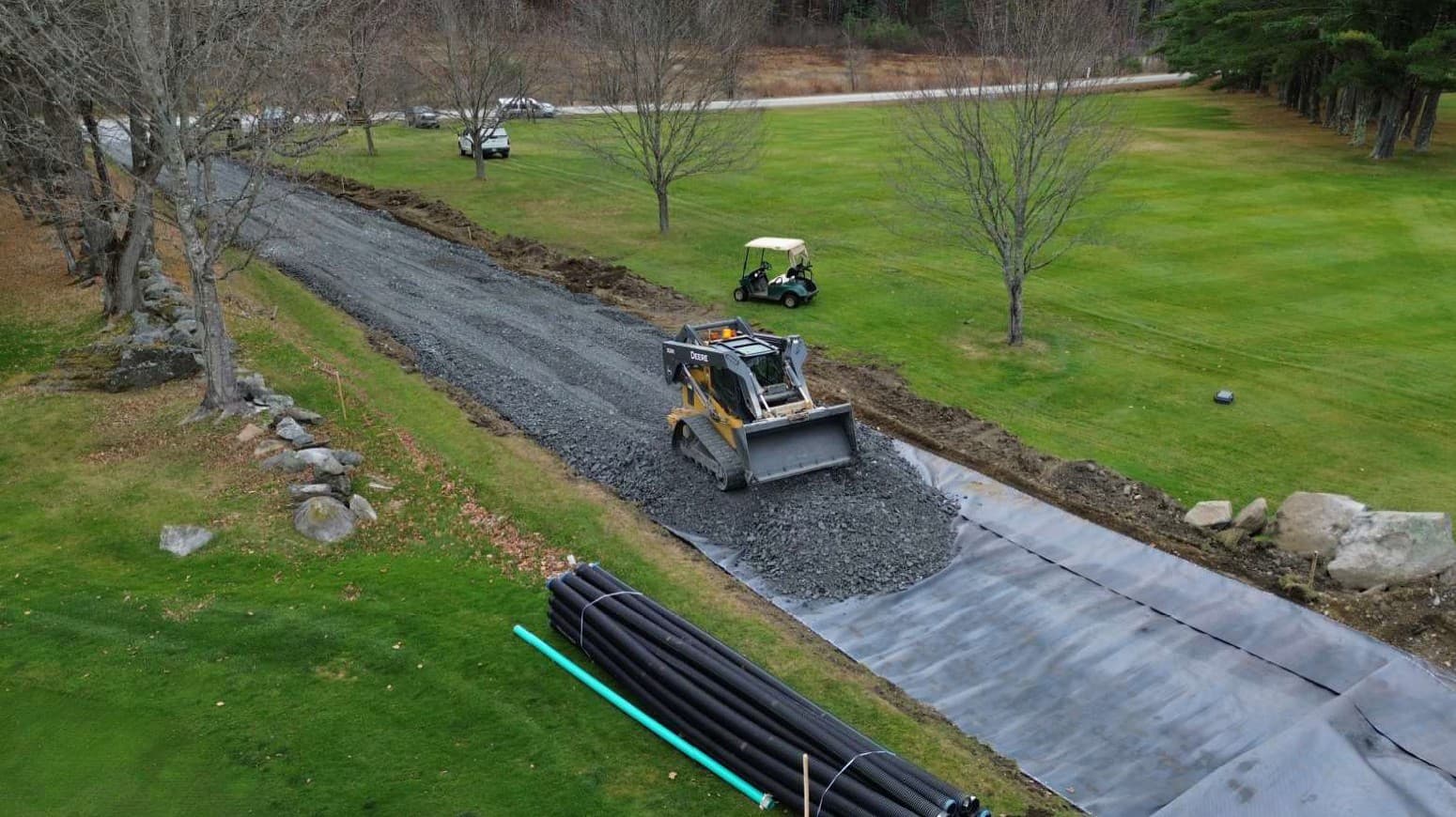
Crews placing and grading aggregate over MIRAFI® H2Ri to support drainage and raise the roadway to the proposed elevation.
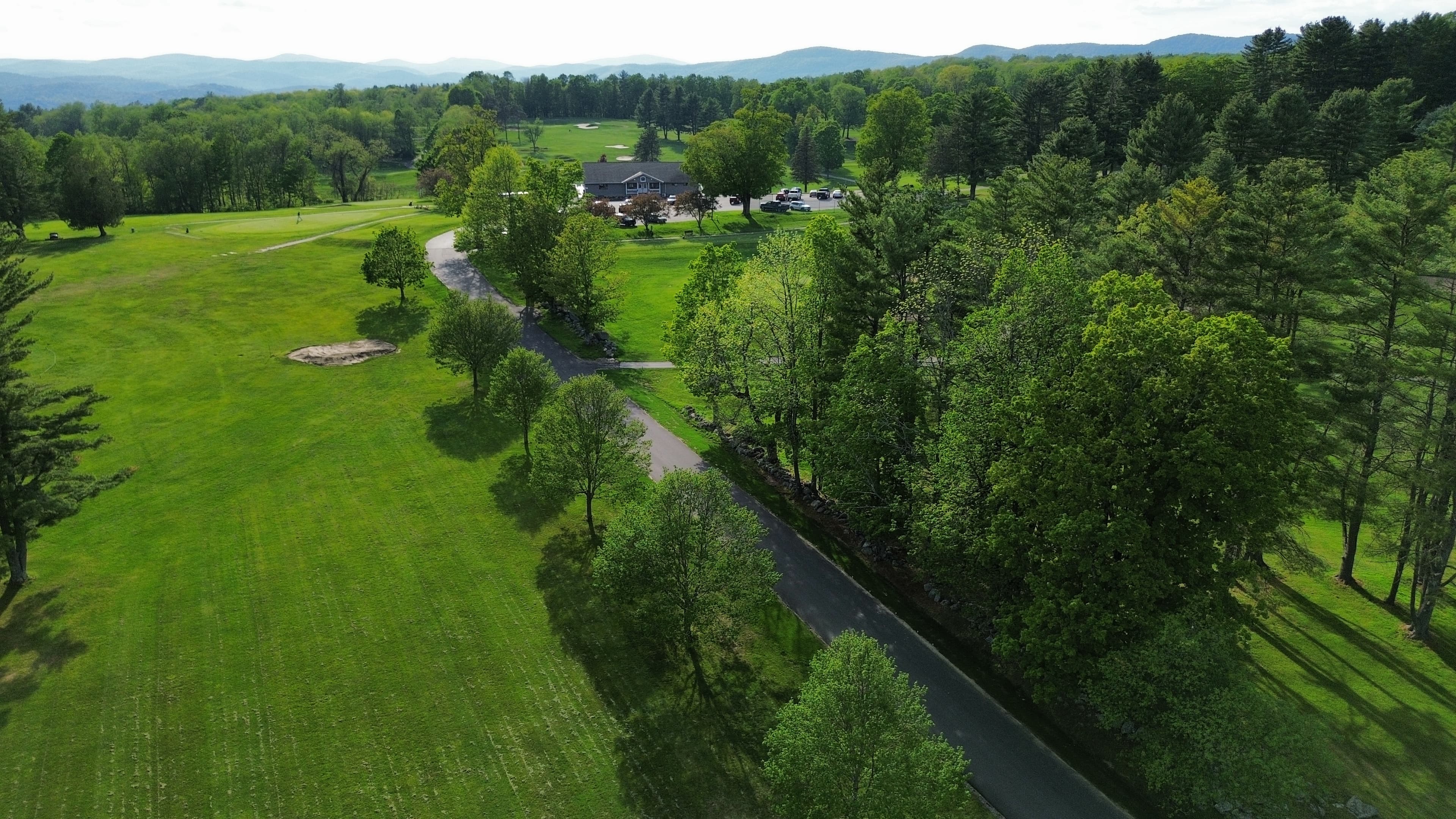
Project site and full extent of the roadway reconstruction area.
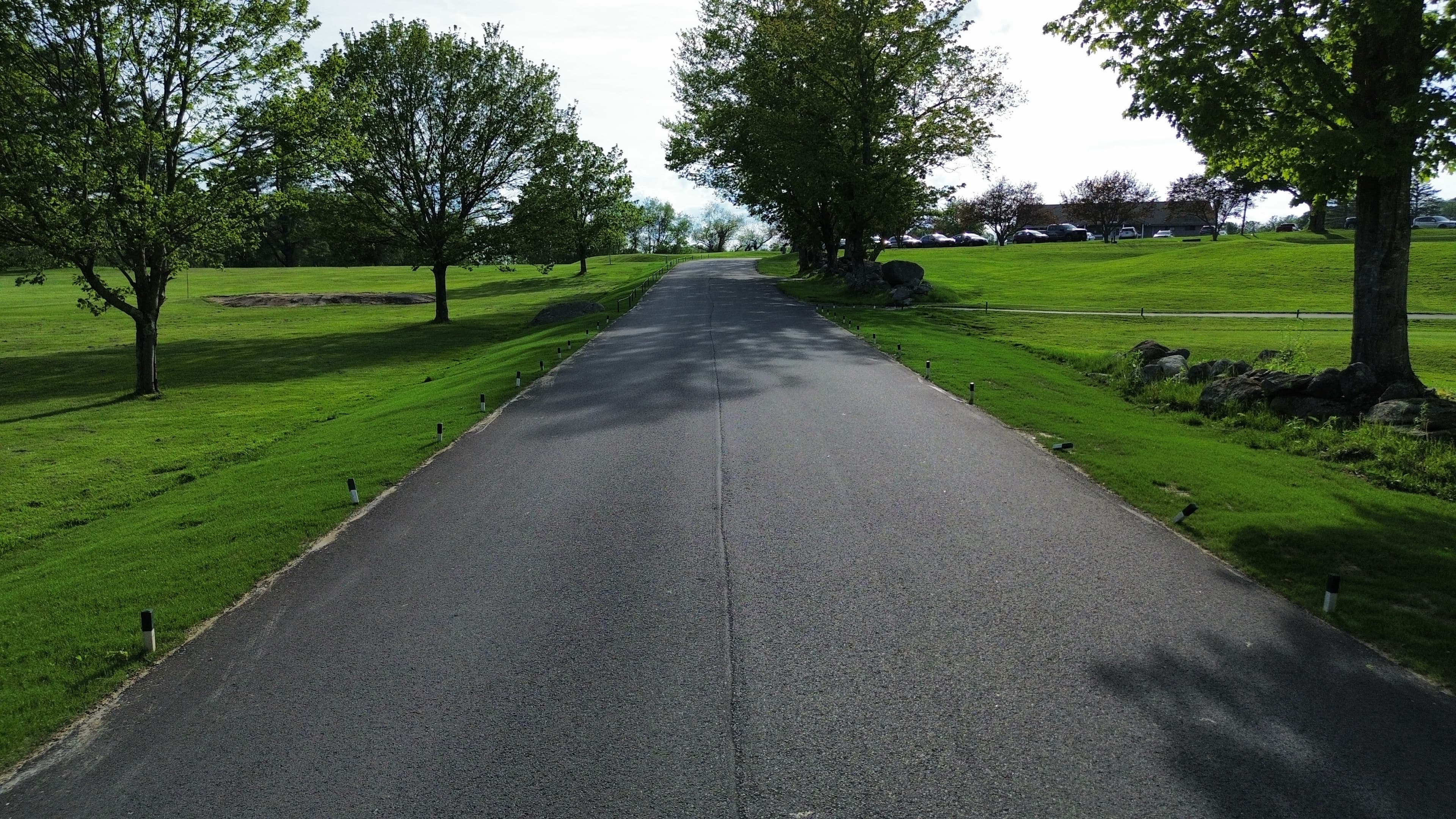
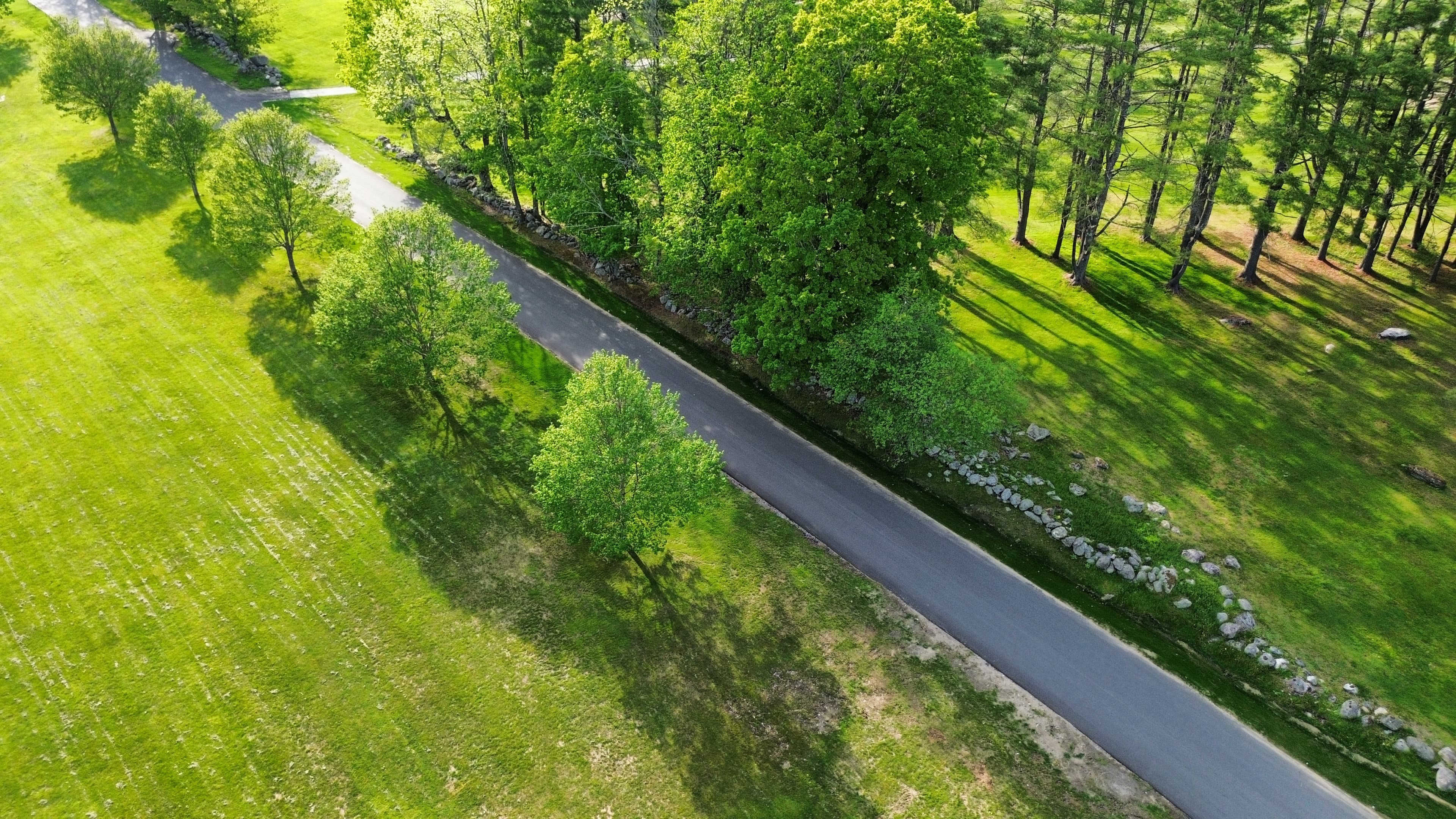
The reconstructed roadway provides a continuous, uniform driving surface across the project site.
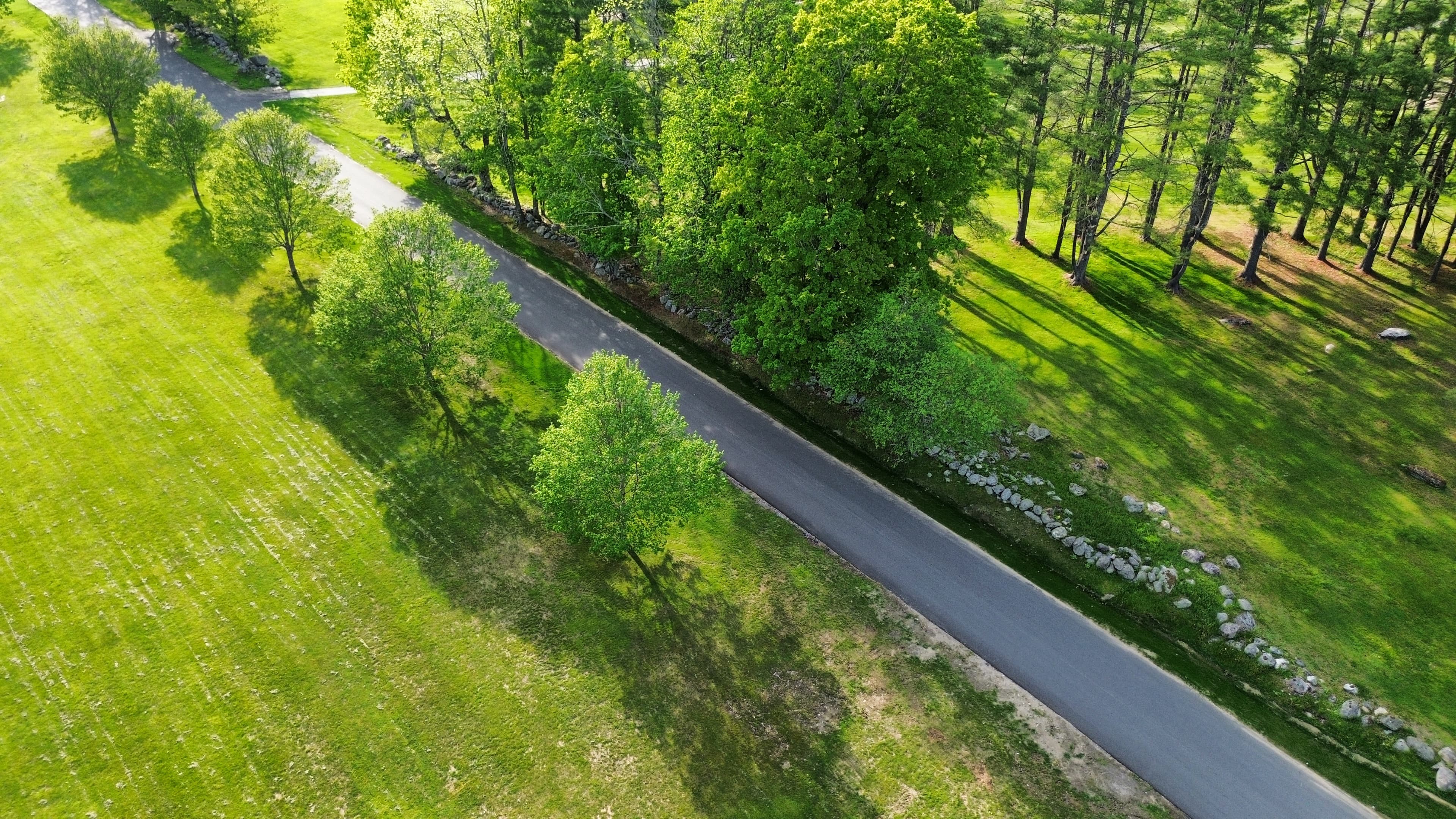
Finished roadway surface, constructed over an aggregate base and MIRAFI® H2Ri.
Lake bank stabilization at Vivid Shores
At Vivid Shores in Bonita Springs, Florida, PROPEX® Armormax®, MIRAFI® FW403 and MIRAFI 140N stabilize lake banks exposed to wind-driven wave erosion. Completed sections are performing as designed.

GSE HD geomembrane lined salt ponds ensure long-term brine containment
GSE® HD geomembrane lined over 3.4 million m² of evaporation ponds to prevent brine seepage under extreme heat and UV exposure. This continuous barrier eliminated salt discharge and protected the surrounding environment.
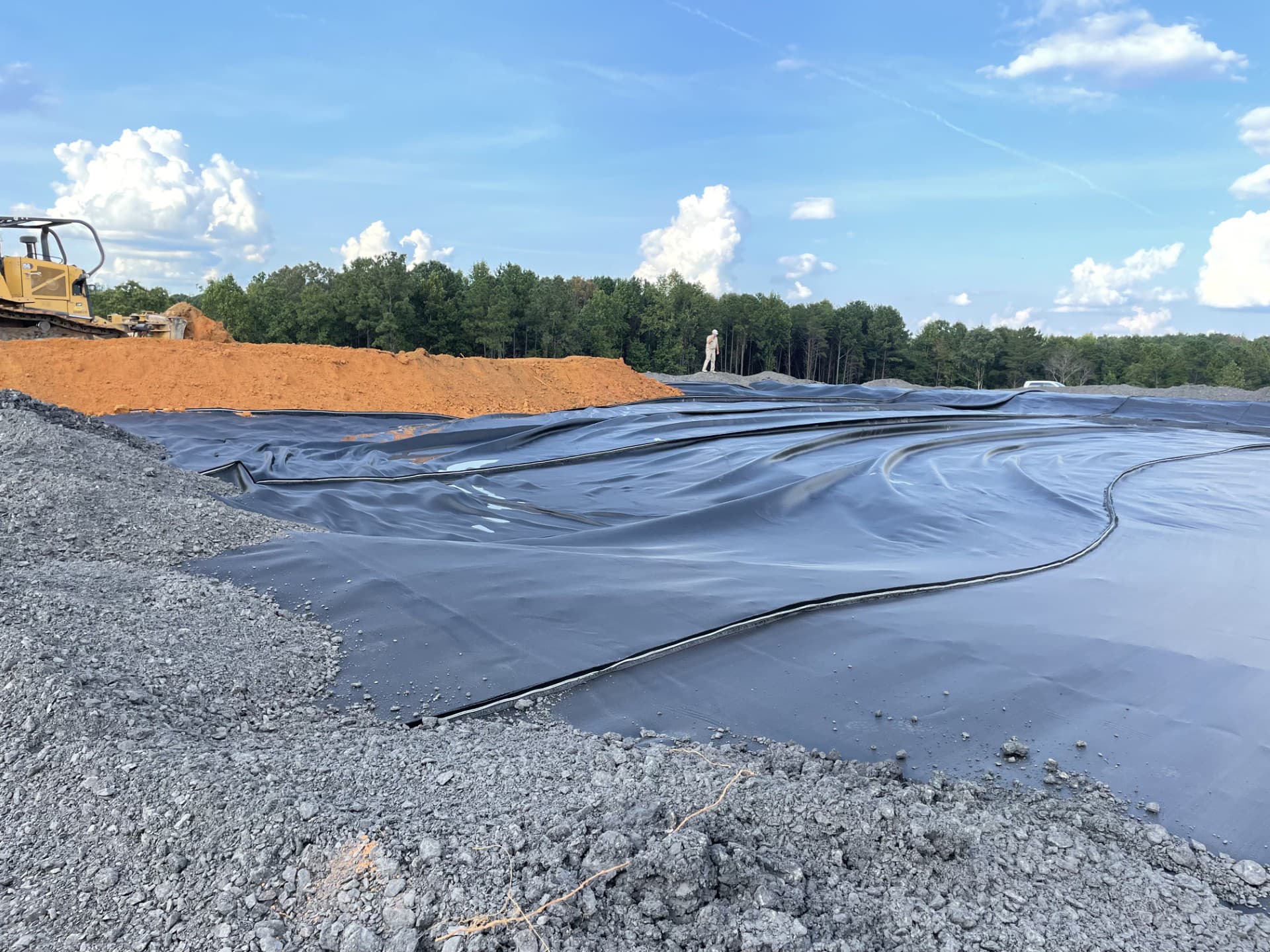
Jefferson Coal Slurry Impoundment Closure
In Jefferson County, Alabama, MIRAFI® CR440 was used with CCR fill to create a reinforced construction platform over soft fine coal refuse, supporting safe equipment access and efficient coal slurry impoundment closure.
Crowne Point Country Club in Springfield, Vermont, needed to rehabilitate approximately 600 feet of access roadway that had experienced significant deterioration. The project included both an unpaved roadway and a paved entrance apron, where visible distress indicated that underlying moisture and frost-related conditions were contributing to poor performance.
The existing roadway showed clear signs of deterioration. The unpaved section had developed significant rutting, while the paved entrance apron exhibited extensive cracking and distress. In Vermont's cold climate, where saturated soils and repeated freeze-thaw cycles can contribute to frost heave and roadway instability, addressing moisture beneath the roadway structure was an important consideration.
A local engineer assisted with project coordination. Working with the Solmax team, the project team selected MIRAFI® H2Ri to provide active moisture management beneath the rehabilitated roadway. Approximately 1,000 y2 (836 m2) of MIRAFI H2Ri were installed after the golf course had closed for the season.
The primary challenge was the roadway's history of moisture-related and structural deterioration. Rutting along the unpaved portion of the road suggested that the existing aggregate and underlying subgrade were no longer providing adequate support. At the paved entrance apron, extensive cracking and visible distress pointed to broader issues within the pavement structure.
Water infiltration, fines contamination and frost-related movement were identified as likely contributors to the deterioration. When excessive moisture remains within the subgrade or aggregate base, roadway materials lose strength and become more susceptible to deformation under traffic. In a northern climate such as Vermont, moisture can create an additional concern when freezing temperatures lead to frost heave and subsequent weakening during freeze-thaw cycles.
The project therefore required more than simply replacing deteriorated aggregate or pavement. The rehabilitation needed to address the underlying moisture conditions that could continue affecting roadway stability over time. Based on relatively light anticipated traffic volumes and estimated subgrade conditions, the team developed a straightforward rehabilitation approach incorporating MIRAFI H2Ri beneath approximately eight to 12 in. (30 cm) of aggregate.
The project team selected MIRAFI H2Ri for it’s ability to provide active moisture management beneath the roadway structure while also supporting separation and stabilization. Unlike a conventional separator alone, MIRAFI H2Ri is engineered to help move moisture laterally away from the roadway structure. By reducing moisture within the underlying subgrade soils and overlying aggregate, the geosynthetic can contribute to improved stability and help reduce conditions associated with moisture-driven deterioration and frost heave.
Installation began by excavating the existing paved apron and unpaved roadway approximately eight to 12 in. (20 cm – 25 cm) below the proposed finished grade. The 600-foot-long (183 m), 20-foot-wide (6 m) roadway was then graded with a consistent pitch toward one side to encourage drainage along the shoulder. Once the subgrade was prepared, MIRAFI H2Ri was placed directly over the roadway foundation. Adjacent panels were installed with approximately 12 to 18 in. (30 cm – 46 cm) of overlap to create continuous coverage across the treated area. The aggregate section was then placed over the geosynthetic to complete the rehabilitated roadway structure.
The overall approach combined effective surface drainage with active moisture management beneath the roadway. Rather than addressing only the visible symptoms of deterioration, the system was designed to help manage one of the underlying contributors to poor roadway performance: excess moisture within the pavement foundation.
For Crowne Point Country Club, the project provided a practical opportunity to improve roadway accessibility and conditions for members, employees and visitors while addressing the moisture and frost-related factors believed to have contributed to previous deterioration.
Long-term performance observations will provide additional insight as the rehabilitated roadway experiences seasonal freeze-thaw cycles and continued use. However, by incorporating MIRAFI H2Ri beneath the aggregate section and improving drainage across the roadway, the project team created a foundation designed to better manage the challenging moisture conditions common to Vermont's climate.