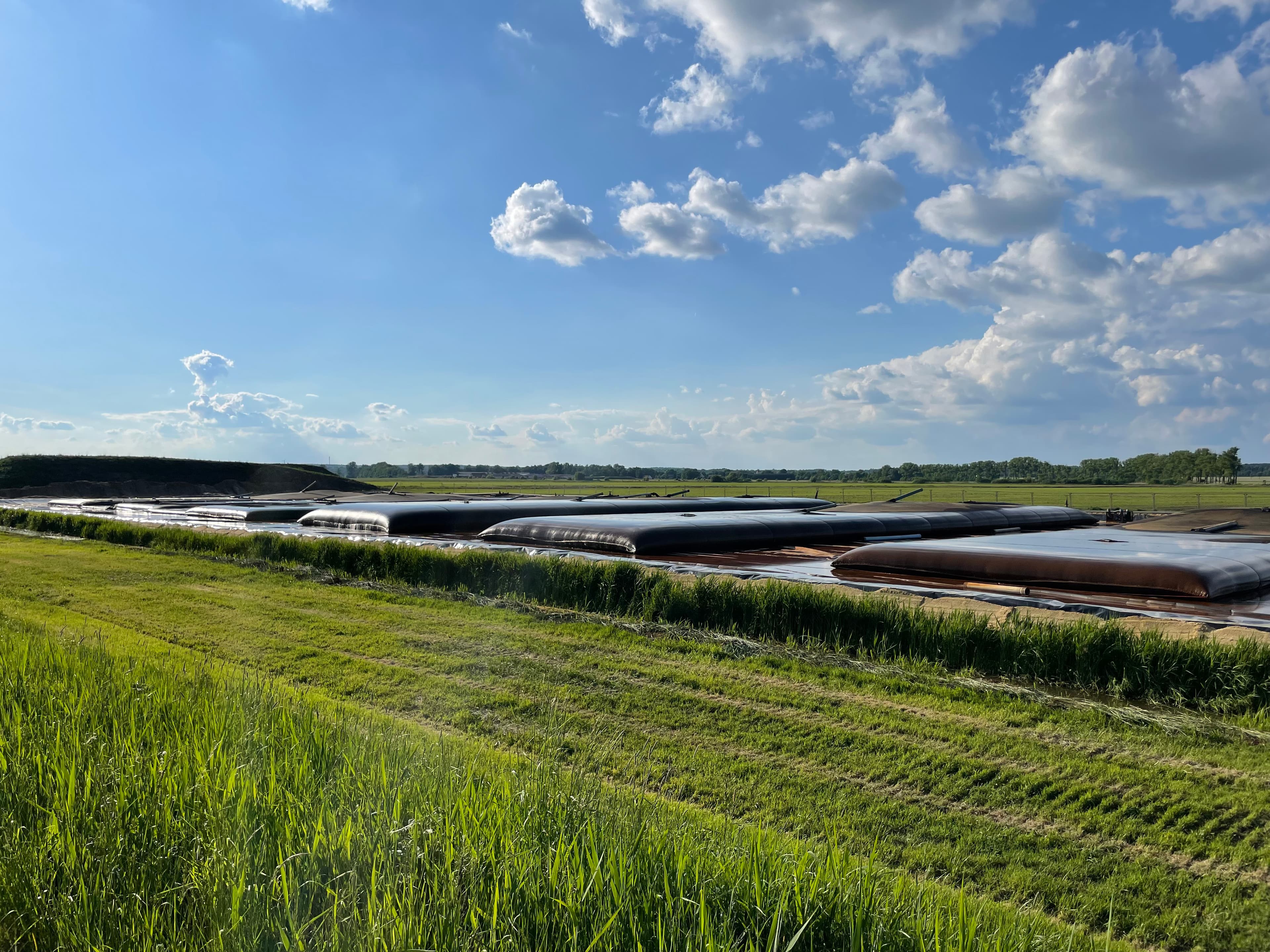
Dredging the Schwarze Elster River with GEOTUBE
Discover how GEOTUBE® dewatering systems helped manage 10,000 m³ of sediment from the Schwarze Elster River, delivering an effective dewatering, containment and cost-effective solution.


A1-M1 LINK ROAD, MAURITIUS
A1-M1 LINK ROAD, MAURITIUS

A1-M1 LINK ROAD, MAURITIUS
Dredging the Schwarze Elster River with GEOTUBE
Discover how GEOTUBE® dewatering systems helped manage 10,000 m³ of sediment from the Schwarze Elster River, delivering an effective dewatering, containment and cost-effective solution.
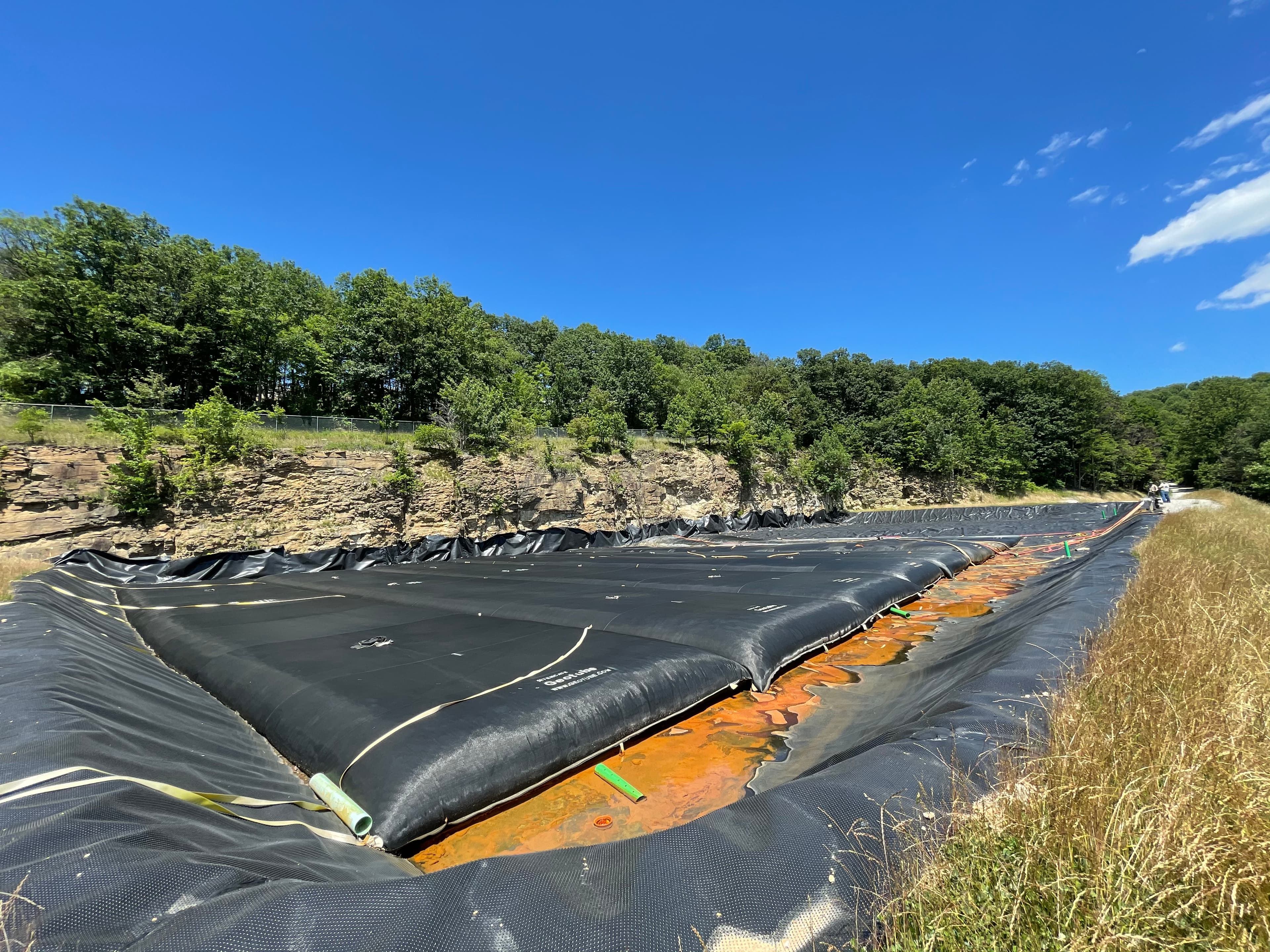
Omega Mine extends AMD treatment capacity with dewatering
At Omega Mine in West Virginia, GEOTUBE® GT500 units help the West Virginia Department of Environmental Protection treat and dewater acid mine drainage from abandoned mines while supporting long-term capacity and compliance.

Dredging and reuse of contaminated sediments
Embraport used dewatered contaminated sediments as structural fill within its terminal platform, saving 400,000 m3 of imported material and reducing earthfill platform costs by 20% to 30%.
The Government of Mauritius, through the Road Development Authority, initiated the construction of the A1-M1 Link Road to create an effective and efficient road network that supports socio-economic development. The project aimed to improve traffic flow, reduce congestion time and costs, enhance road safety, and provide high-quality infrastructure.
At the junction of the Chebel Bridge and A1-M1 Link Road, the road's embankment was supported by an L-shaped concrete wall. To address the need for drainage, a system was constructed to evacuate ground and pore water. This drainage system effectively transported water along the wall to the drainage pipe, protecting the wall from direct contact and potential damage.
Two drainage systems were considered: conventional gravel drains and geosynthetic drainage mats like FABRINET® DC 401 E. Gravel drains, although commonly used, posed challenges due to the cost and transportation of gravel from natural resources. In contrast, drainage mats provided a practical alternative. With comparable drainage capacity and easier installation, they offered economic benefits for both the project owner and contractor.
FABRINET DC 401 E, a geocomposite, consisted of a geonet and a filter geotextile. The geonet is made from high-density polyethylene (HDPE), and the filter geotextile from polypropylene (PP). These materials exhibit low compressibility, enabling high discharge capacity even under heavy loads. They are suitable for various surface drainage applications.
Both the geonet and filter geotextile demonstrated excellent resistance to chemicals and biological factors, allowing their safe use in contact with soil and construction materials such as concrete.