High speed railway over karst foundation, Guadalajara, Spain

3 Min read

Share

High speed railway over karst foundation, Guadalajara, Spain

Overview

The construction of the Spanish high-speed train from Madrid to the French border began in 1999 and was scheduled for completion before 2012. The length of the line is around 800 km and it passes through several important cities such as Guadalajara, Zaragoza, Lerida, and Barcelona. The geological profile along the length of the track varies considerably, and in some areas the foundations are prone to collapse due to the presence of karst formations of limestone and gypsum soils.

Challenge

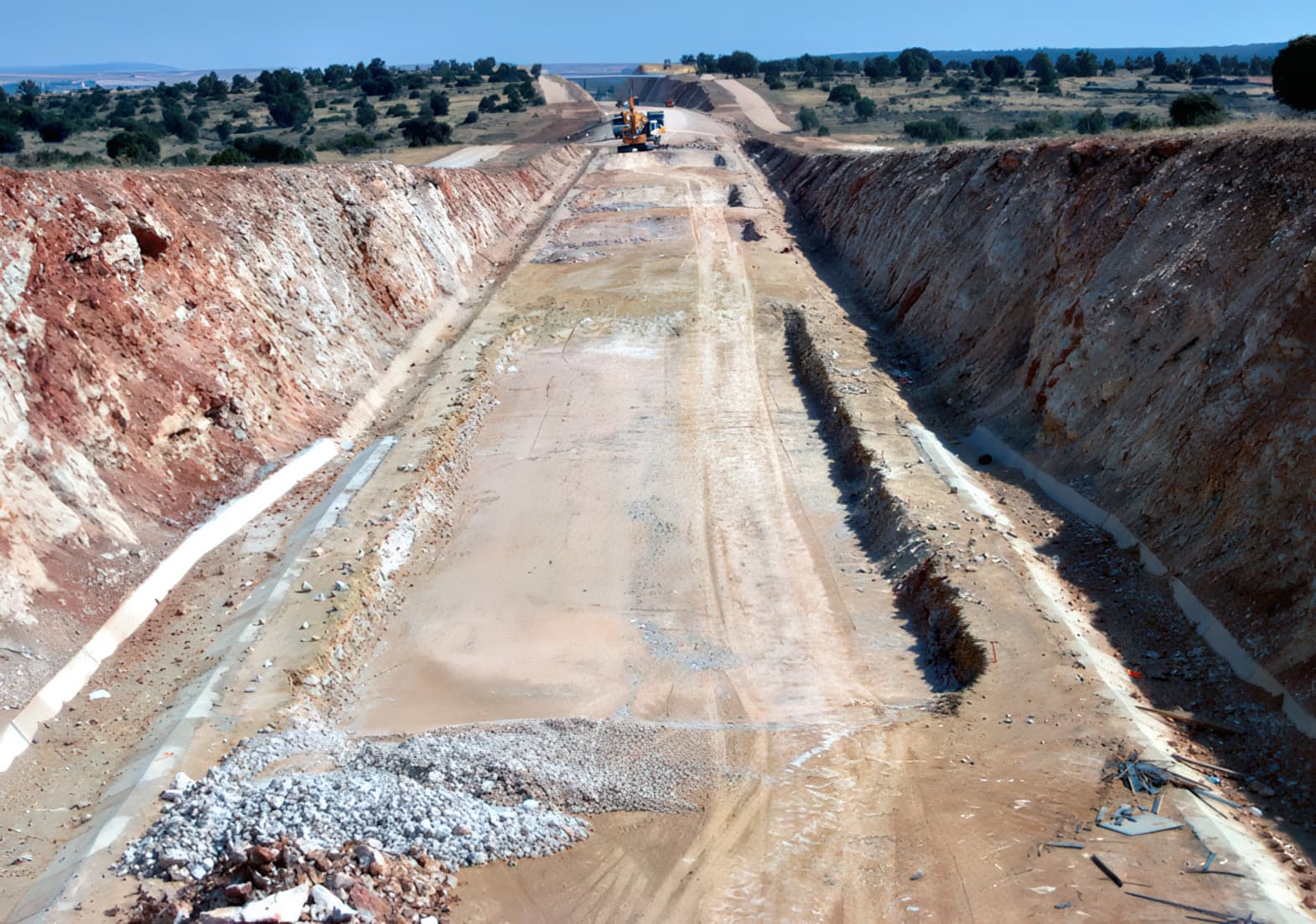
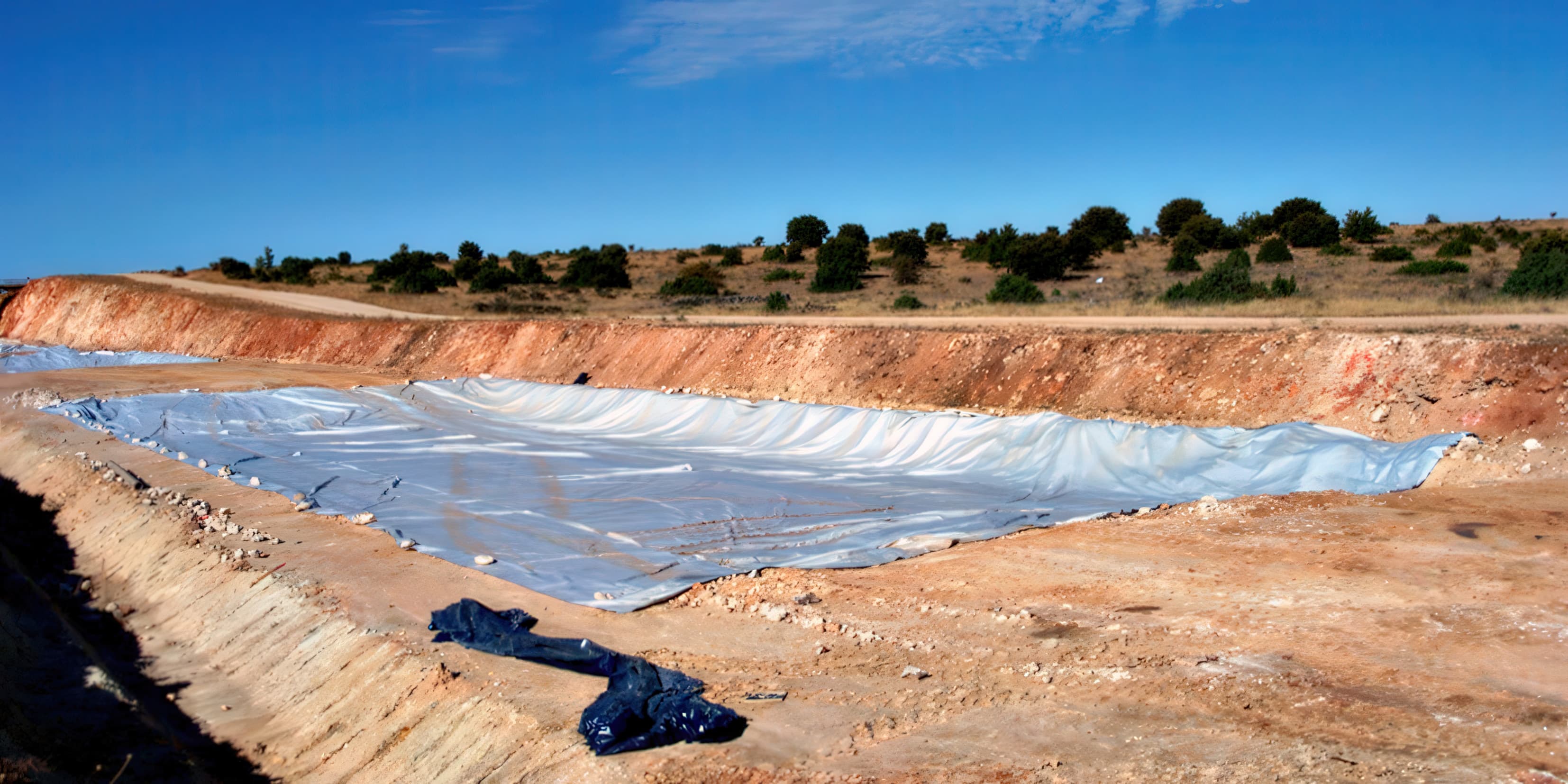
In the area of Guadalajara, around 90 km northeast of Madrid, an exhaustive examination of the limestone foundation strata confirmed the presence of cavities due to the dissolution of the limestone. Depending on the diameter of the cavities, three different corrective techniques were employed: refilling the cavities with concrete grout, excavation and construction of concrete slabs, and the use of geosynthetic reinforcement. All corrective techniques used had to ensure that no discernible surface deformations would occur if cavities later formed beneath the track support layers.

Solution

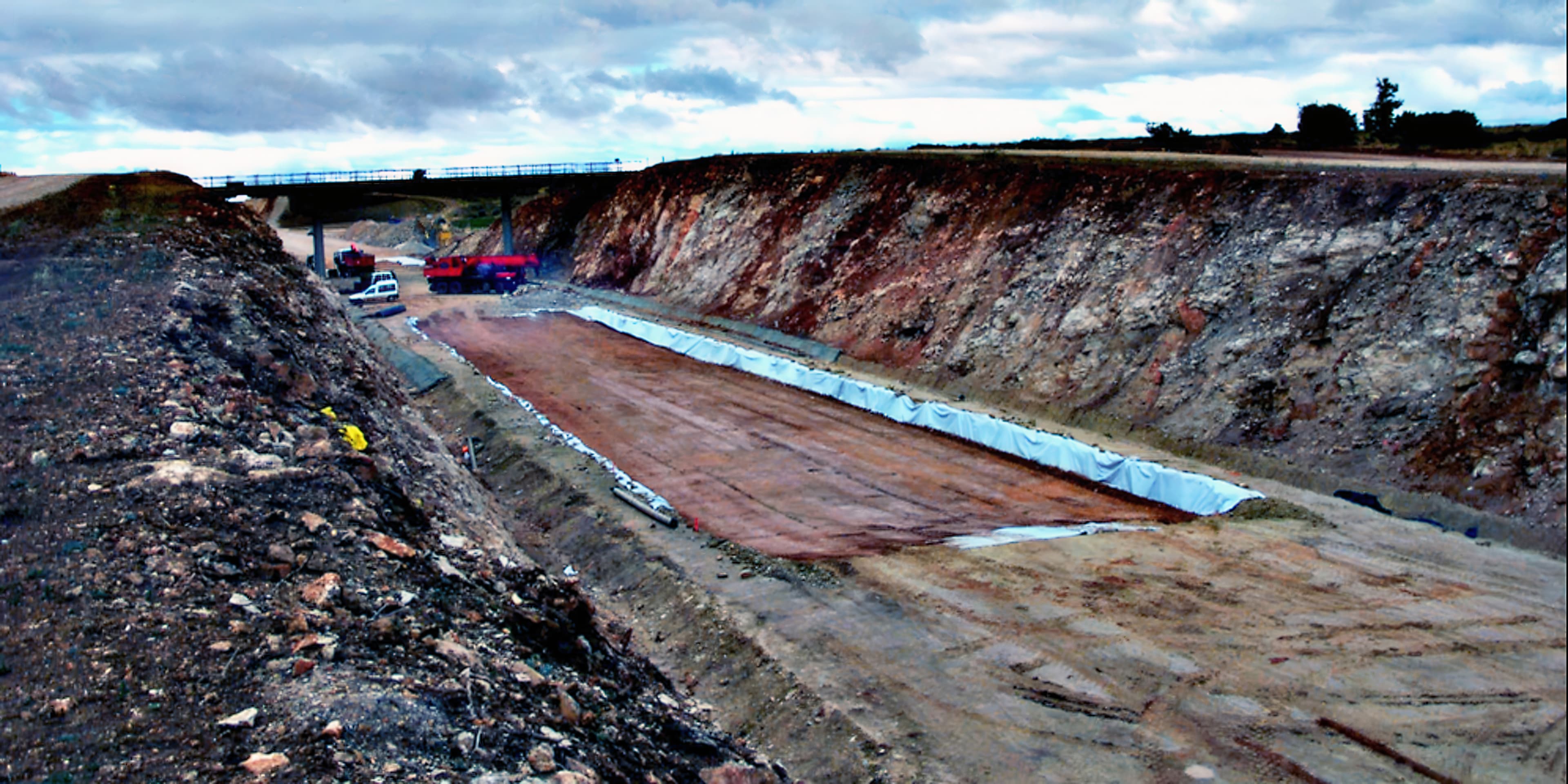
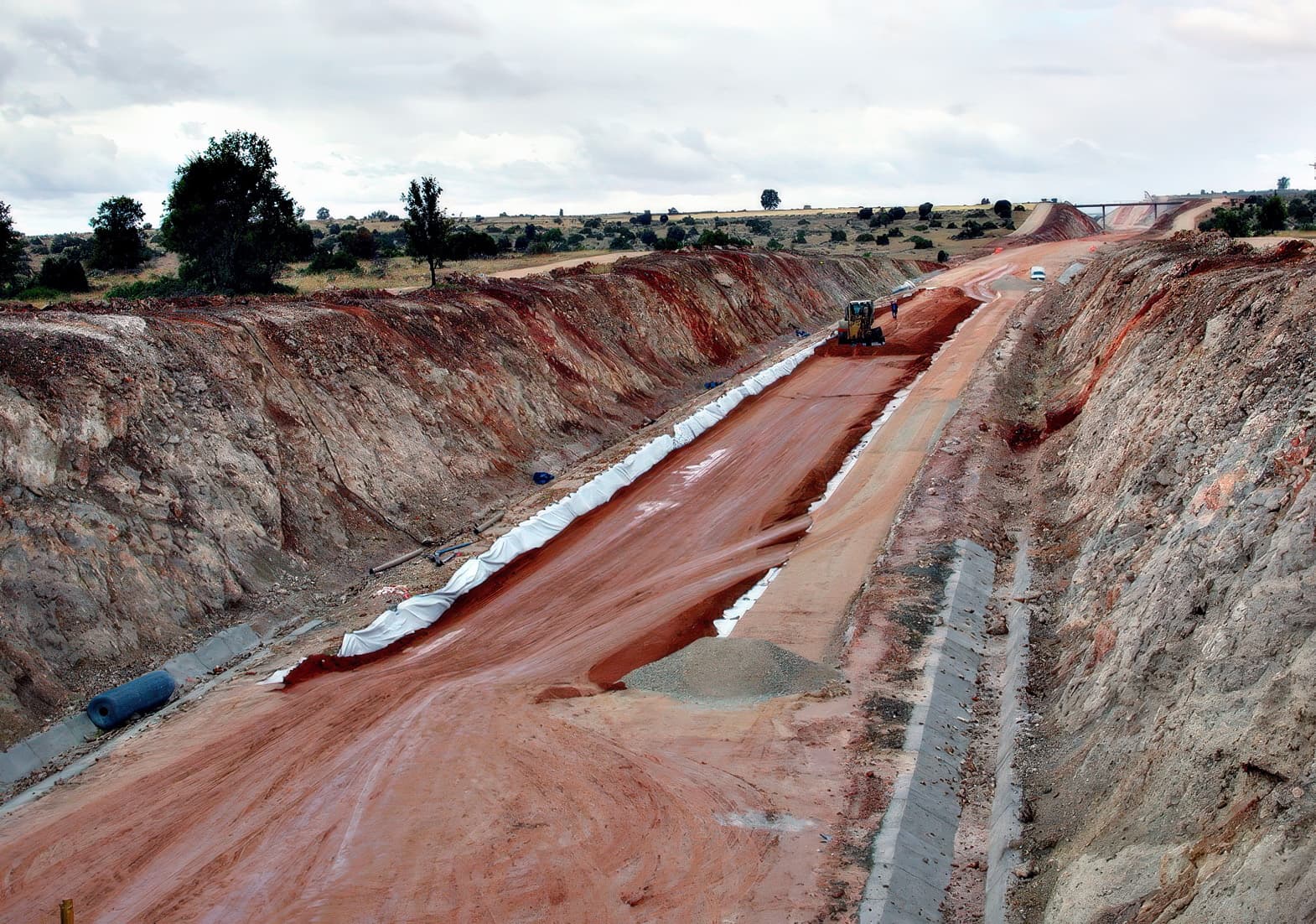
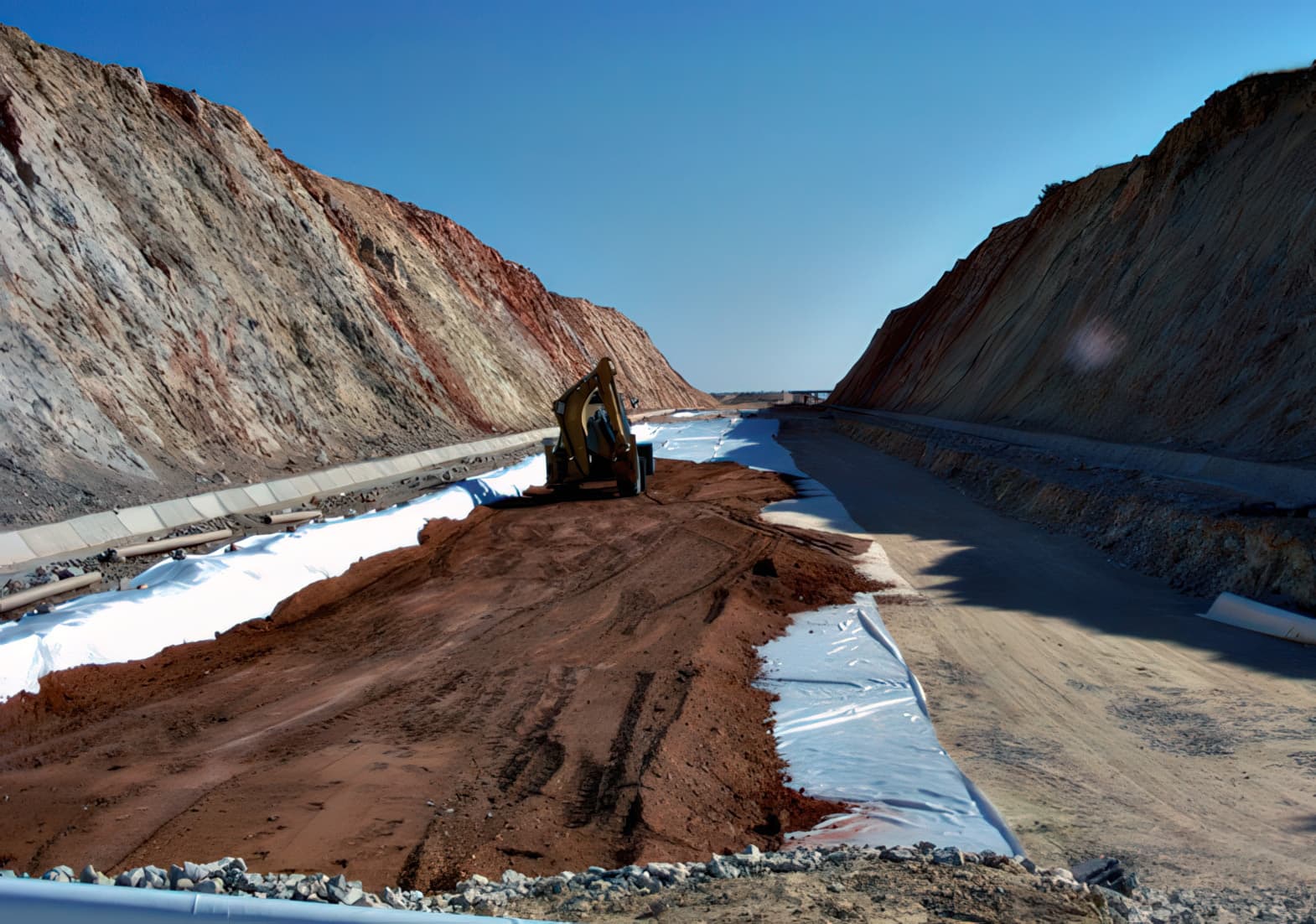
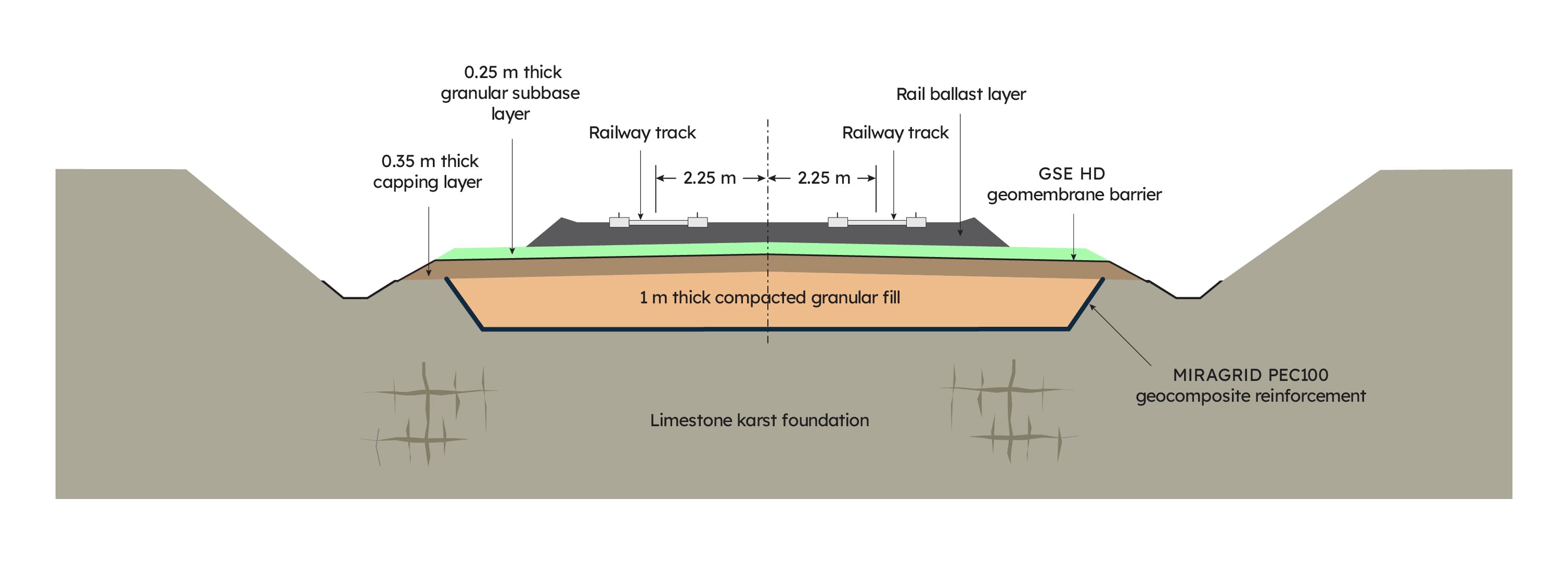
The geosynthetic reinforcement solution was employed in railway cuttings in this area where the likely foundation cavity diameters were quite small (≤ 0.5 m). Here, the limestone foundations were over-excavated by 1 m and a layer of MIRAGRID® PEC100-100 composite reinforcement was placed over the excavated area. MIRAGRID PEC100-100 is composed of high-strength polyester yarns in a composite structure and has an ultimate tensile strength of 100 kN/m in both the length and cross directions. Following placement of the MIRAGRID PEC100-100 composite reinforcement, the excavation was refilled and compacted with granular fill material. This reinforced support platform prevented any differential surface movements from occurring if foundation cavities formed beneath the composite reinforcement layer. Across the top of the reinforced support platform, a capping layer 0.35 m thick was placed and compacted. On top of this, an HDPE geomembrane layer was installed and directly connected to the surface drainage trenches on either side of the track structure to prevent surface water infiltrating into the karst foundation from above. Finally, the track subbase and ballast layers were laid, and then the track itself. The high-speed railway between Madrid and Zaragoza was brought into service in 2003, covering a distance of 318 km in 1 hour and 30 minutes. The first train arrived in Barcelona from Madrid in February 2008, covering a distance of 620 km in 2 hours and 30 minutes. Other areas along the high-speed railway route were also prone to the formation of foundation cavities, for example, in the Figueres–Perpignan sector. Here, the size of the cavities encountered was greater than that in the Guadalajara area, and consequently, a higher strength and stiffer geotextile reinforcement was used in the reinforced support platform. MIRAFI® Geolon PET300 geotextile reinforcement with an ultimate tensile strength of 300 kN/m was used in this location.


Explore more case studies

View all