Overview
Processing and refining rare earth minerals generates a waste stream that must be managed and stored in an environmentally secure manner. Typically, slurry from the refining process is mechanically dewatered, and the resulting dry waste is disposed of in a secure landfill. This case study presents the use of GEOTUBE® dewatering technology as an alternative method for dewatering rare earth waste slurry at an Asian production plant.
Challenge
The processing plant faced challenges regarding the long-term storage effectiveness of the waste, exacerbated by limited available land space and the need for proper handling and storage.
Instead of using mechanical dewatering and conventional waste storage, the plant implemented GEOTUBE dewatering units to dewater and store the process residue. These GEOTUBE systems were integrated into the overall plant process.
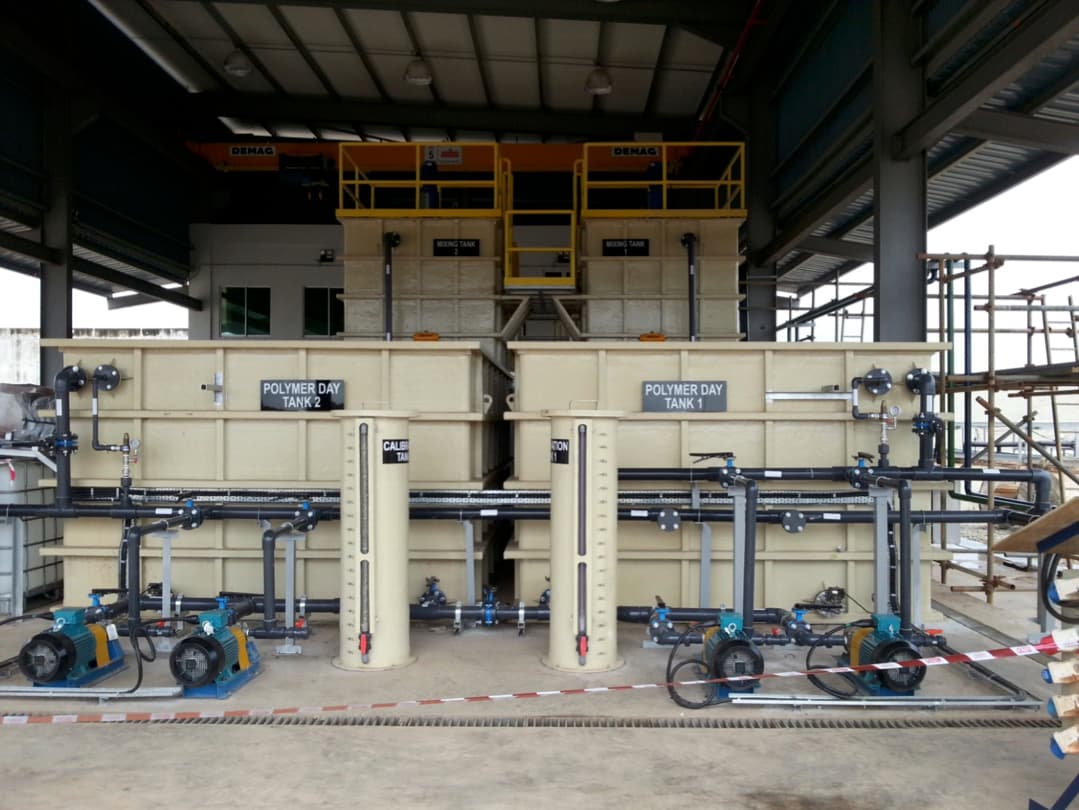
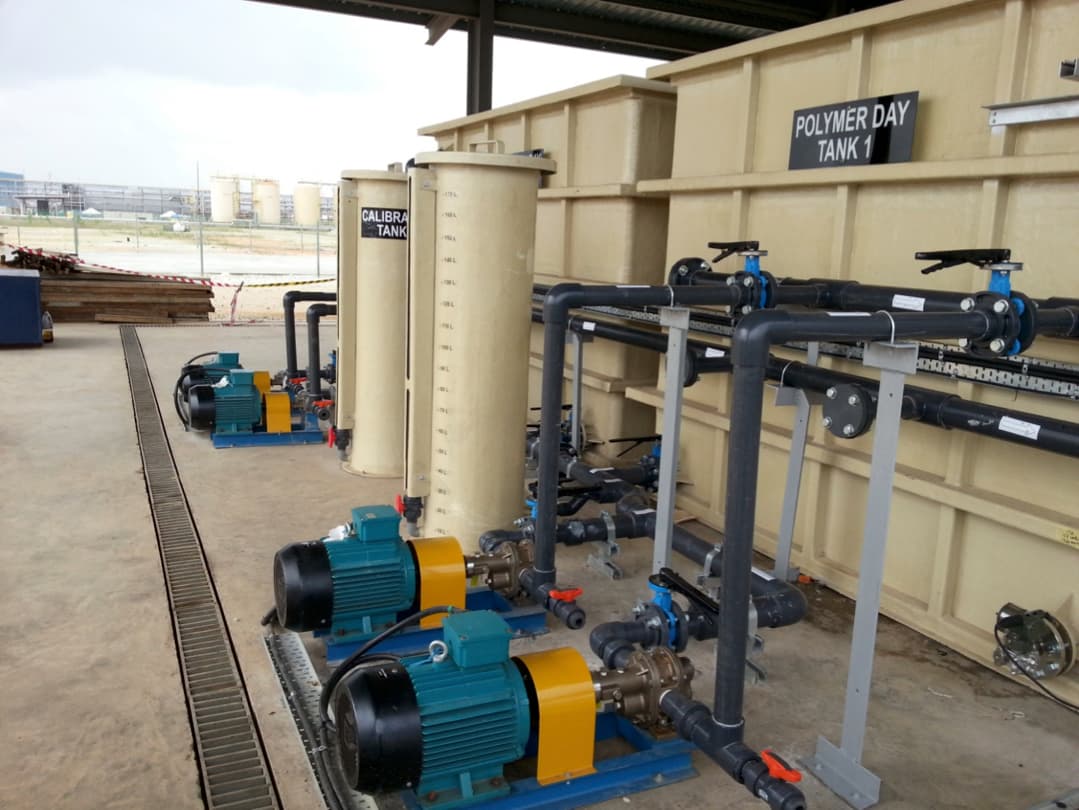
A Rapid Dewatering Test (RDT) was conducted to determine the appropriate polymer type and dosage for flocculating the sludge. Polymer in powder form was supplied and prepared for injection into the slurry stream via a mixing manifold. The setup included polymer dosing pumps for polymer preparation and injection into the slurry stream leading to the tubes.
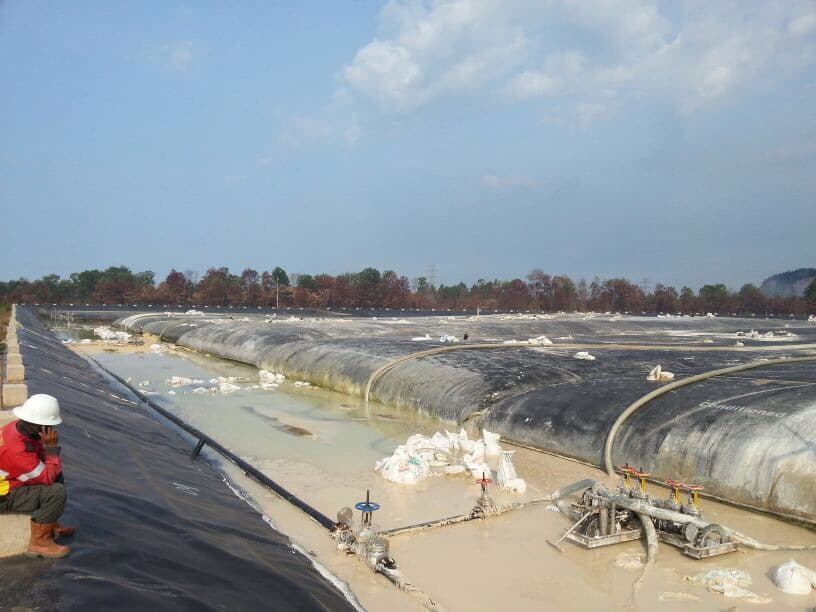
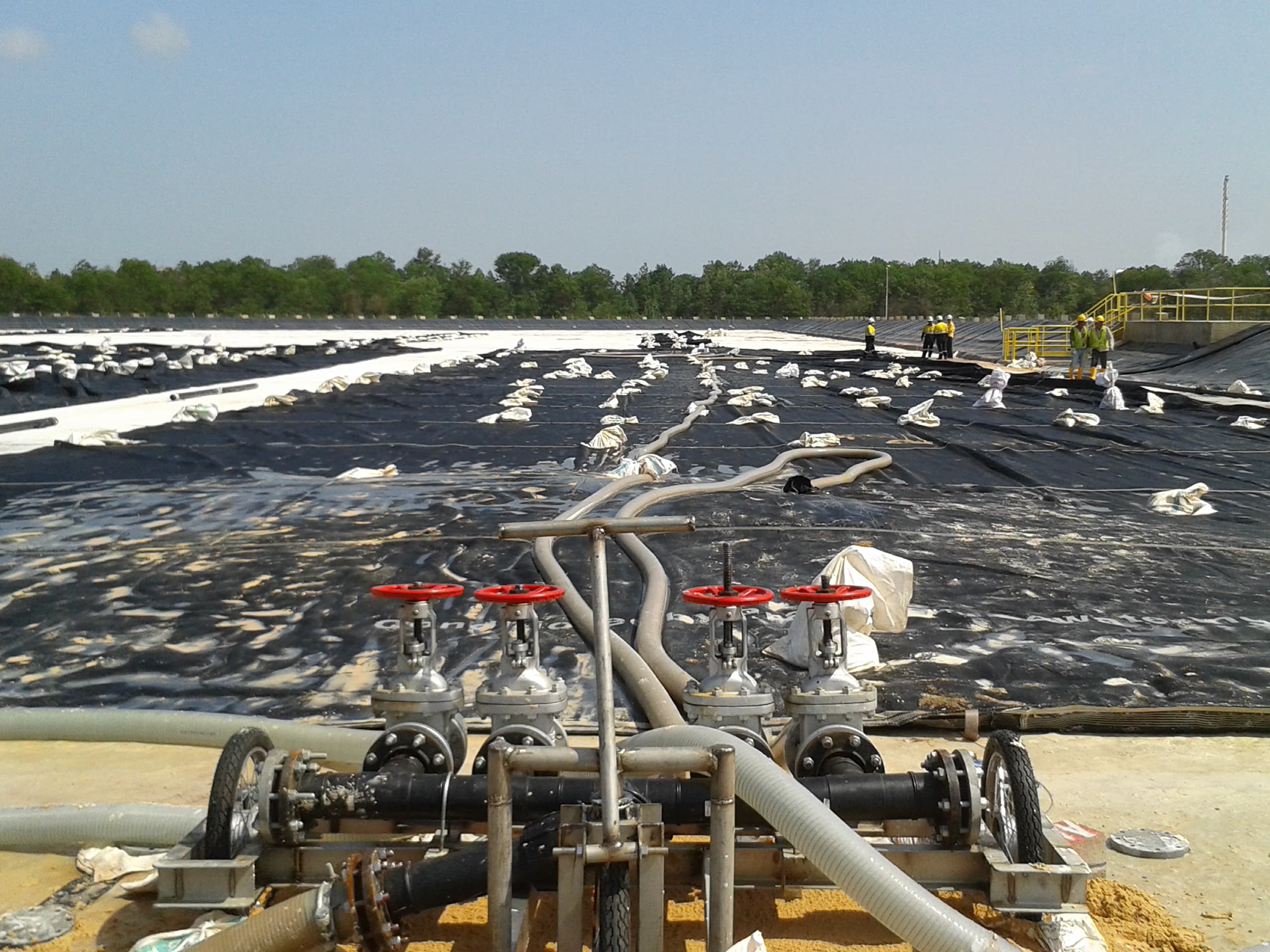
To enable sequential pumping and filling of multiple tubes, a GEOTUBE configuration was devised. Valves were installed along the incoming slurry delivery pipeline to control and direct the slurry flow. A sampling point was implemented to monitor the dosing efficiency, and regular sampling was carried out.
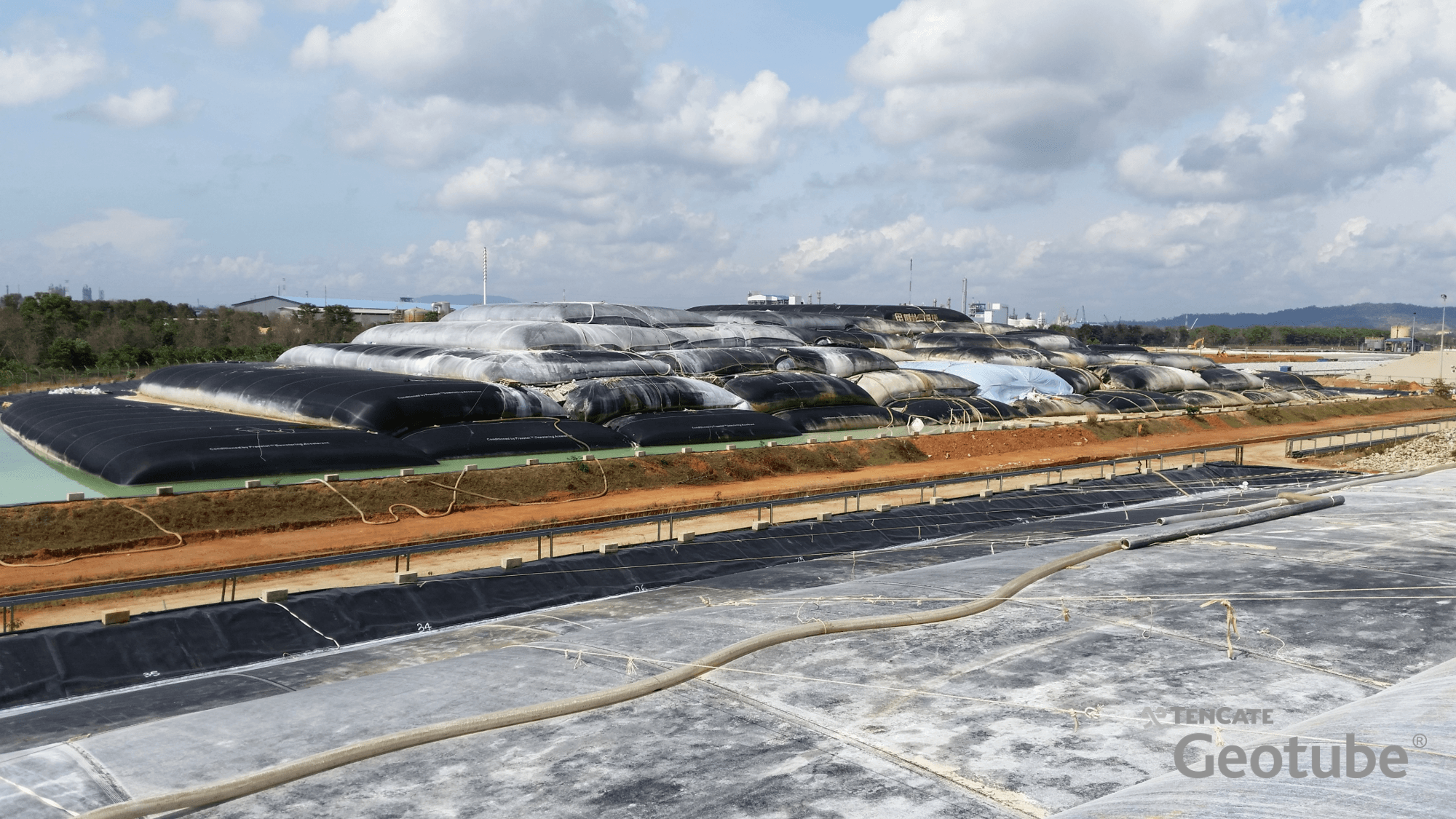
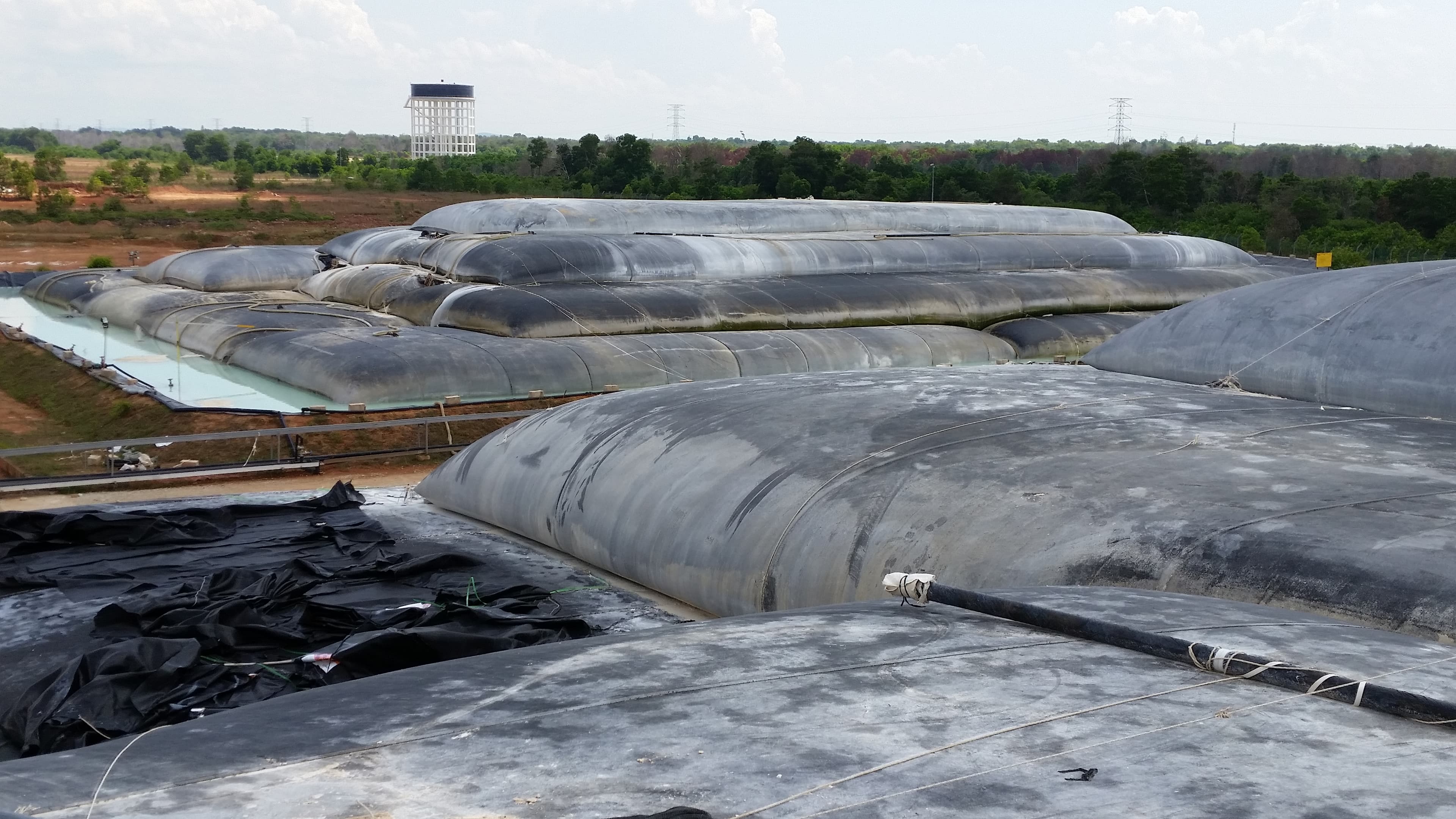
Over the course of a year, more than 100 GEOTUBE dewatering tubes were installed as part of an integrated plant waste capture program. The tubes had a circumference of 36.6m (120 feet) and varied in length from 39m (128 feet) to 57m (187 feet). They were stacked five levels high, resulting in the capture of 180,000m³ (235,700 cubic yards) of dry solids.
Solution
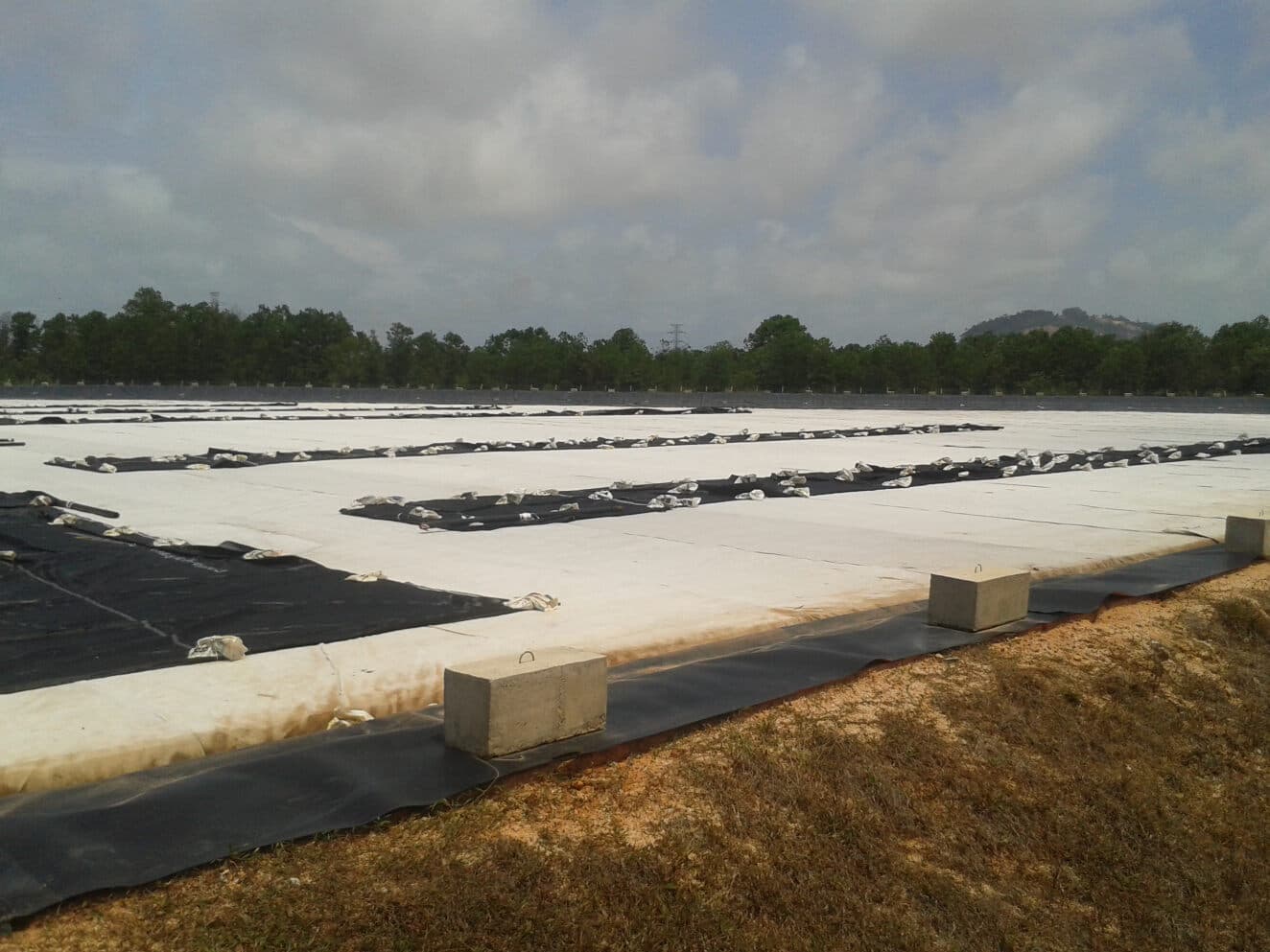
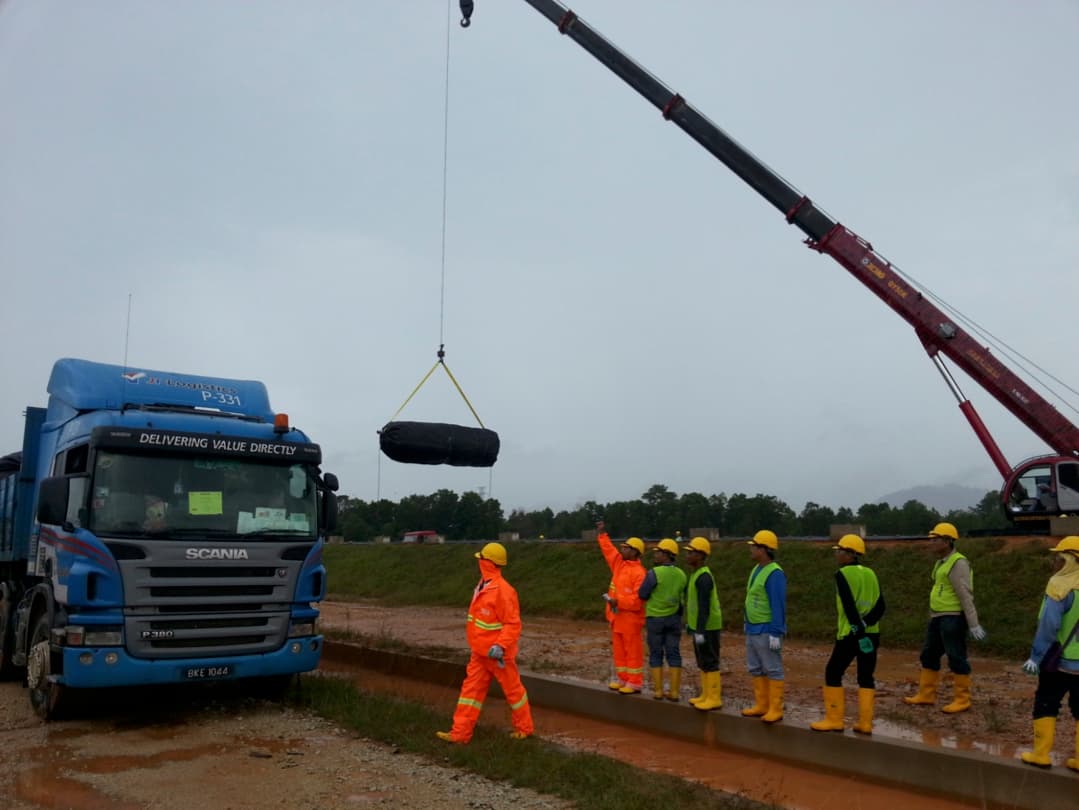
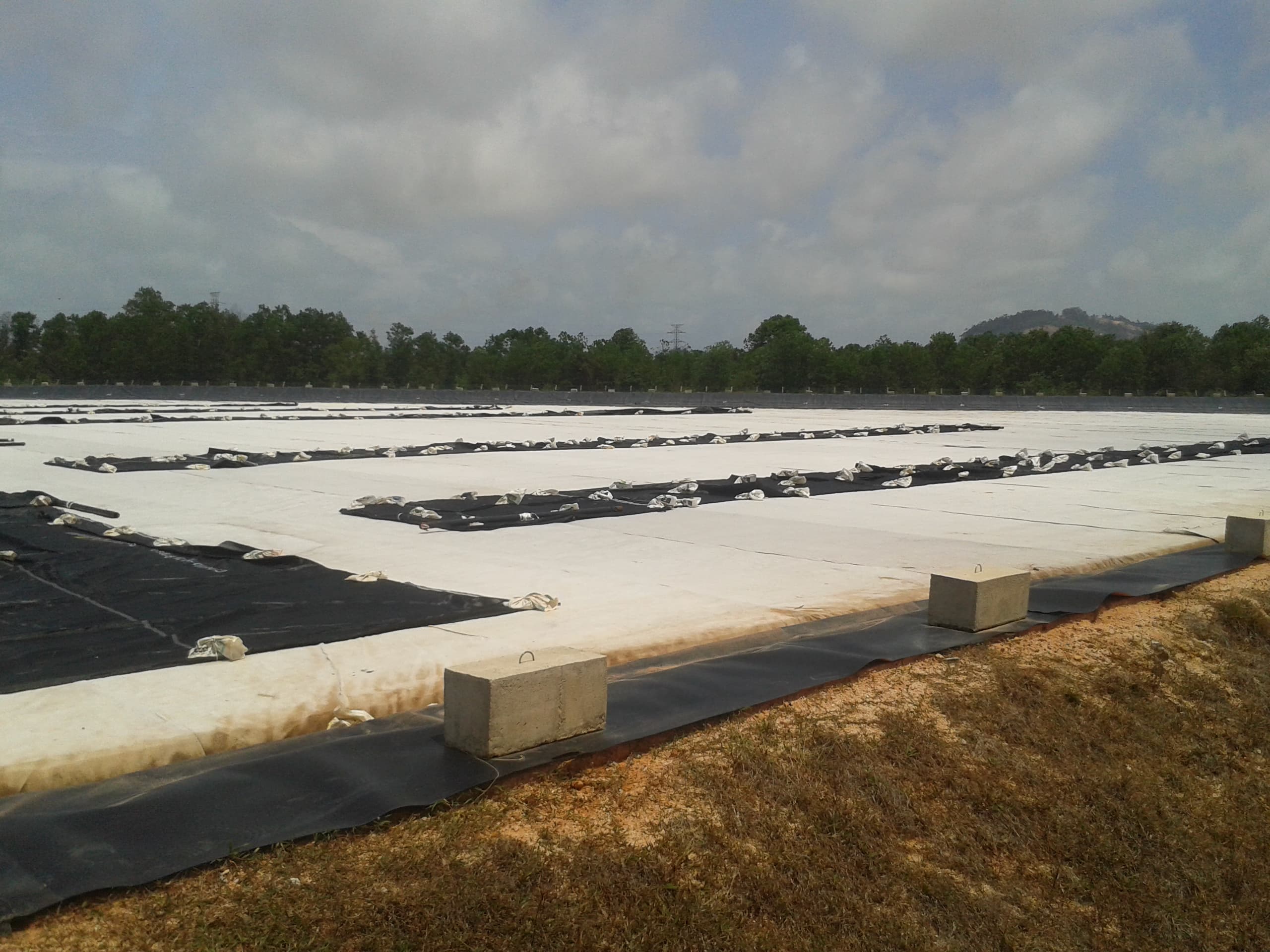
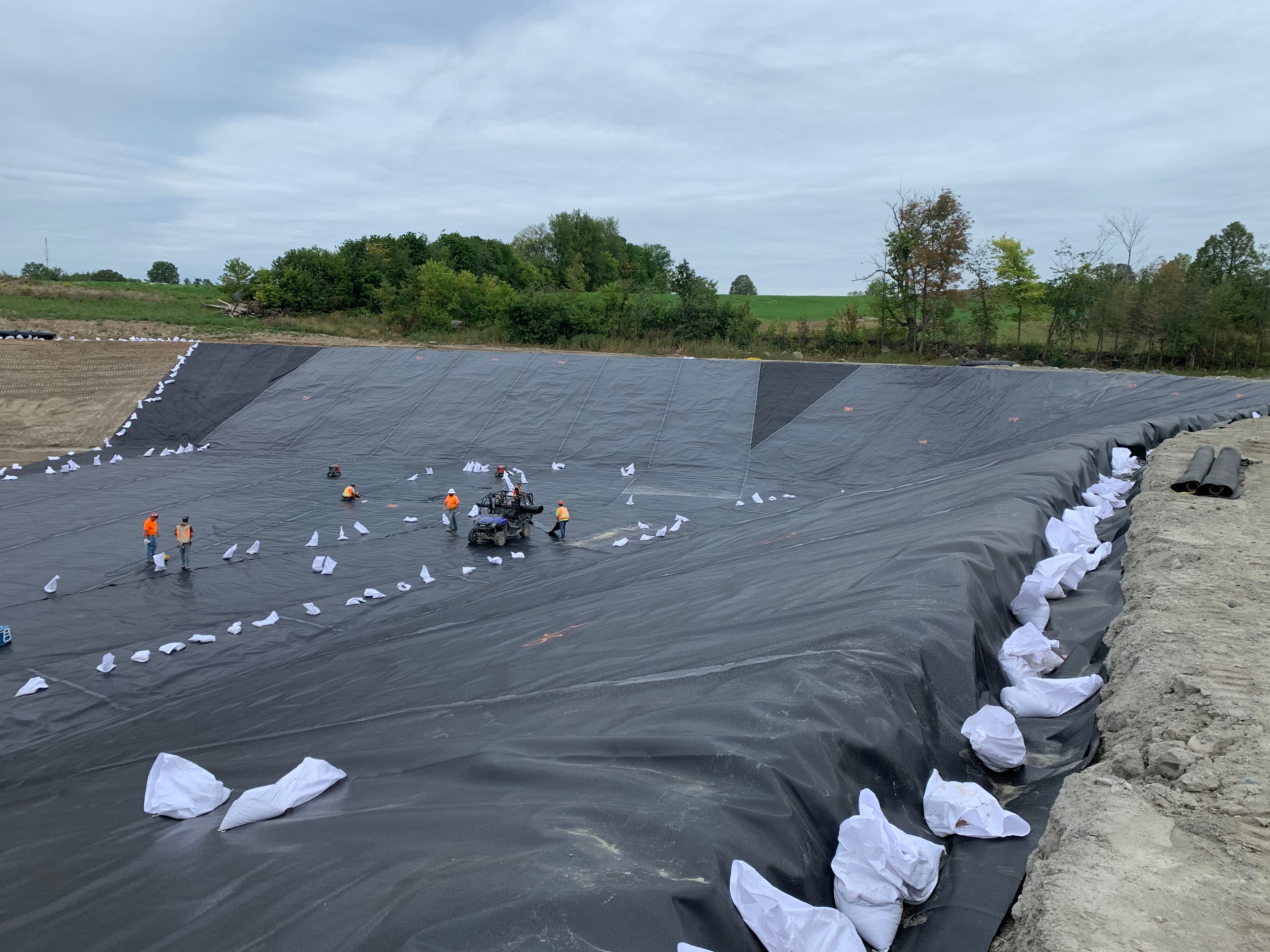
The installation process involved constructing a dewatering pad lined with HDPE membrane to manage wastewater runoff. GEOTUBE positions were marked on the geomembrane liner before the units were deployed. Each GEOTUBE dewatering unit, weighing approximately 1.3 tonnes (1.4 tons), was lifted and positioned using a mobile crane. Operators manually unrolled and unfolded the GEOTUBE dewatering tubes or used a mechanical winch attached to a four-wheel-drive vehicle. A flexible hose with a diameter of 100mm (4 inches) connected the main slurry pipe to the GEOTUBE dewatering tubes. Three filling ports on each tube were connected to flexible hoses, and the slurry inflow for each port was regulated by a gate valve.
GEOTUBE dewatering technology offers the advantage of handling large volumes of residue while achieving high solids capture rate at a low capital investment. The increased dewatering capability allowed the plant to handle the sudden rise in demand for rare earth minerals. This enabled the plant to schedule a complete maintenance overhaul of their mechanical dewatering equipment without affecting production, while also addressing the constraint of limited disposal area on-site. GEOTUBE dewatering resulted in substantial cost savings for the client, both in terms of capital expenditure and maintenance and operation costs.