Overview
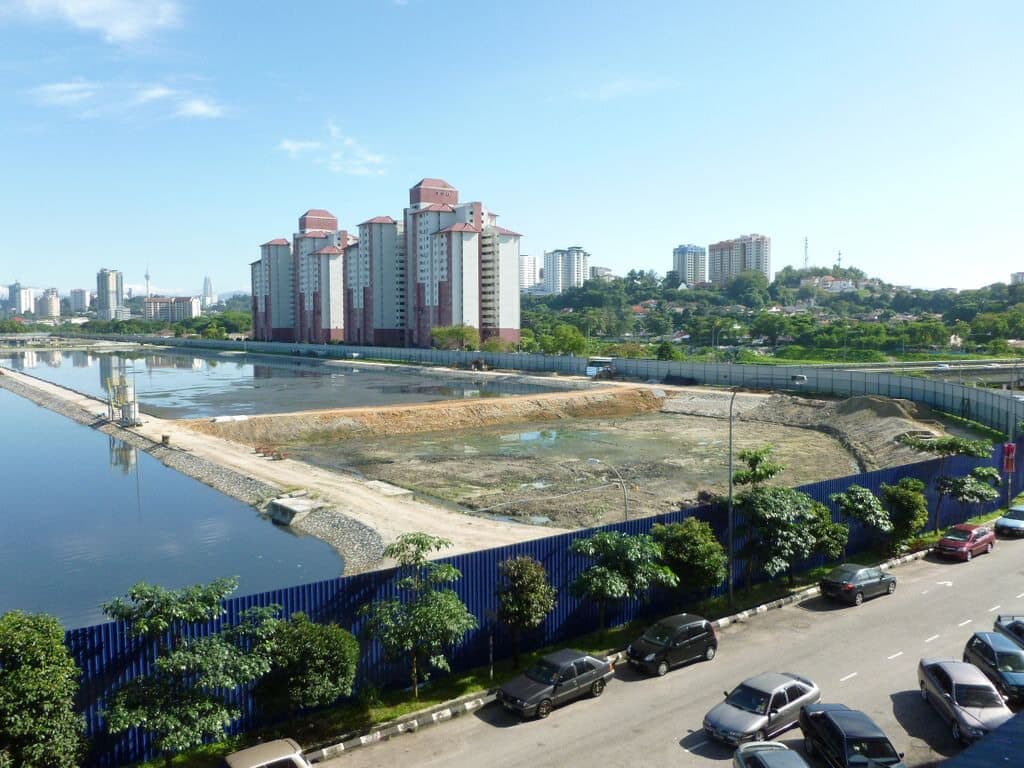
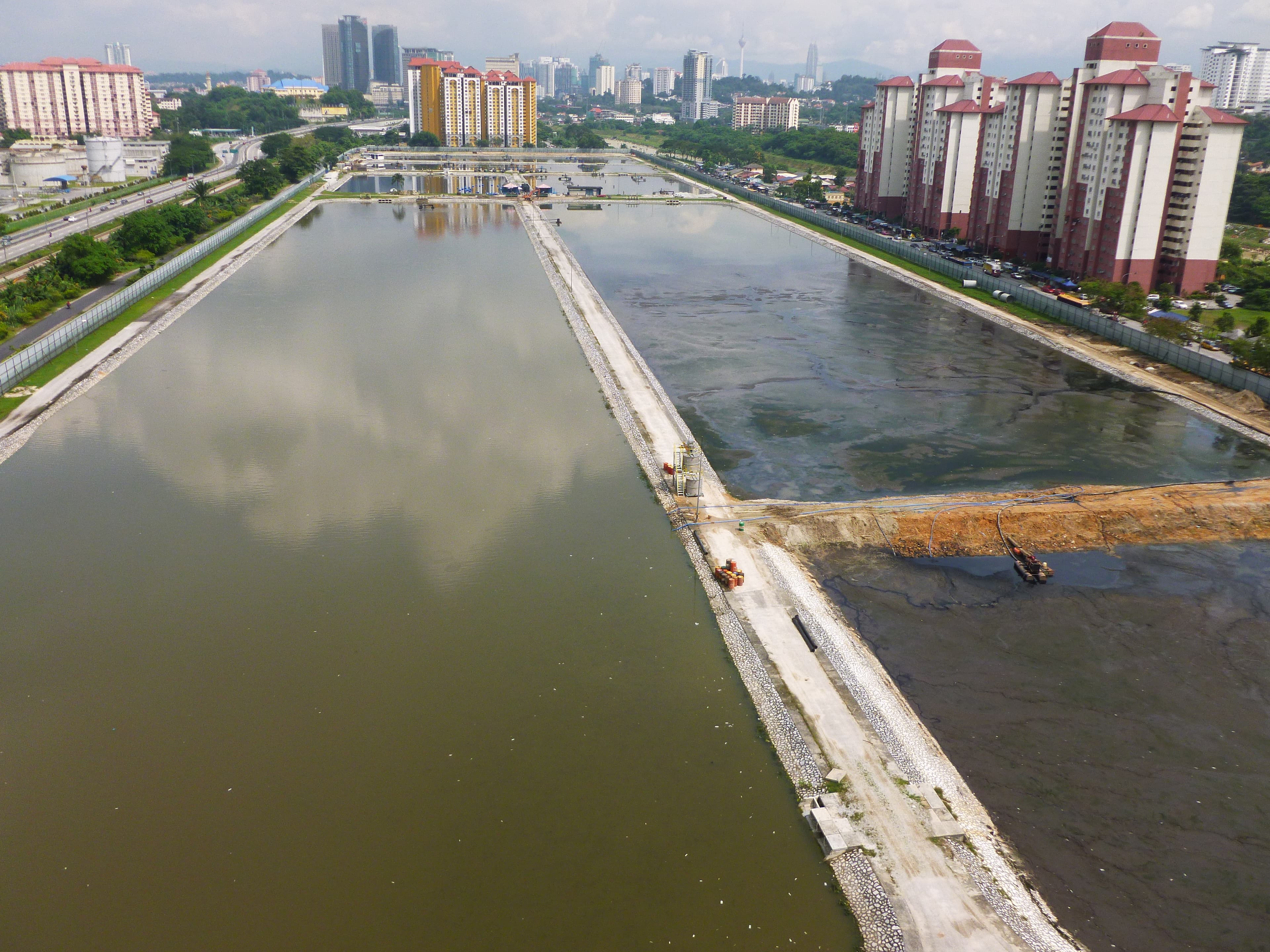
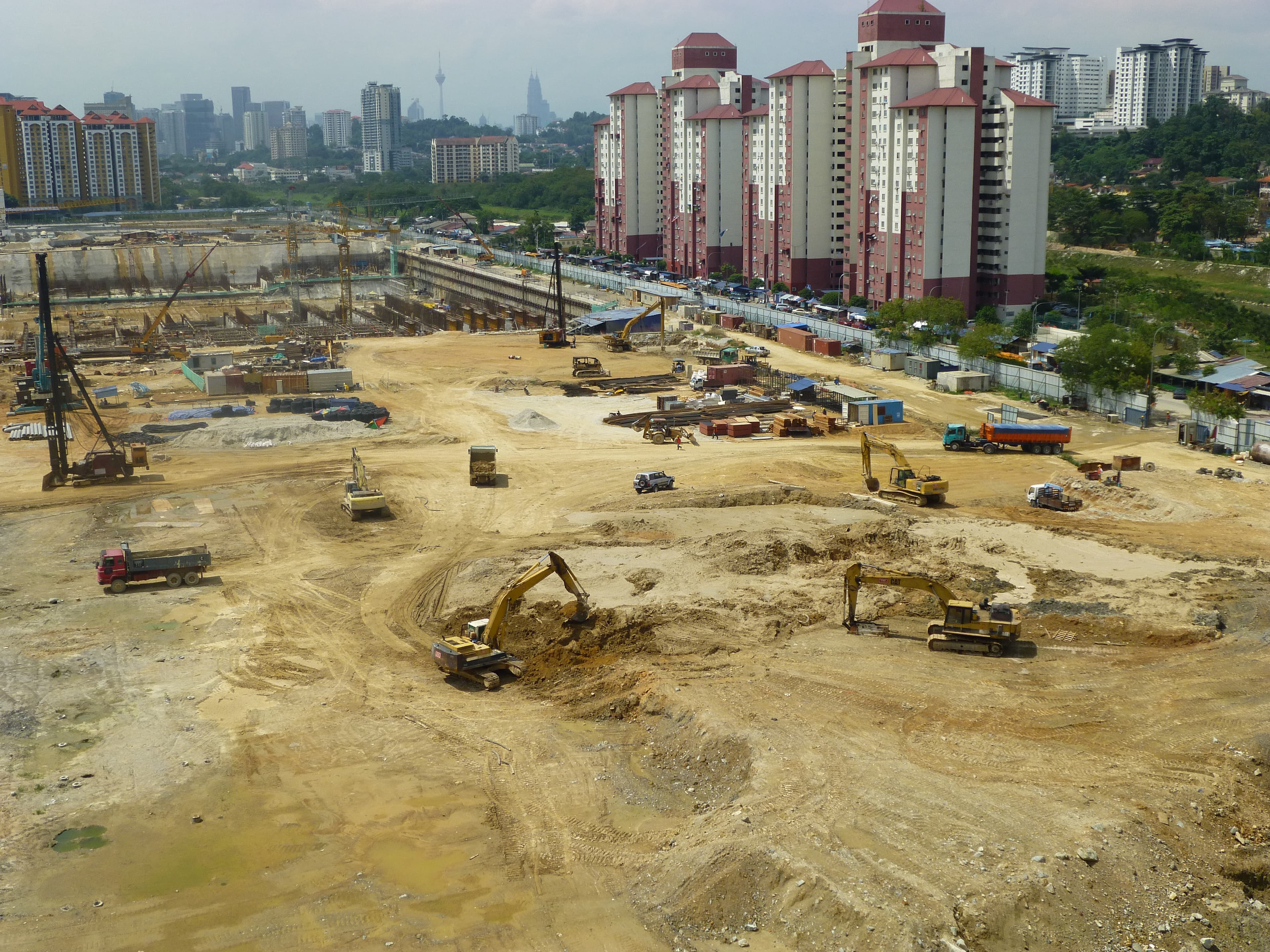
The Pantai 2 Sewage Treatment Plant (STP) project took place in Kuala Lumpur, within an urban residential area. The project involved upgrading an old, aerated sewage lagoon into a modern enclosed underground sewage treatment facility. Due to limited space, the old sludge lagoons needed to be dewatered before construction of the new plant could commence.
Challenge
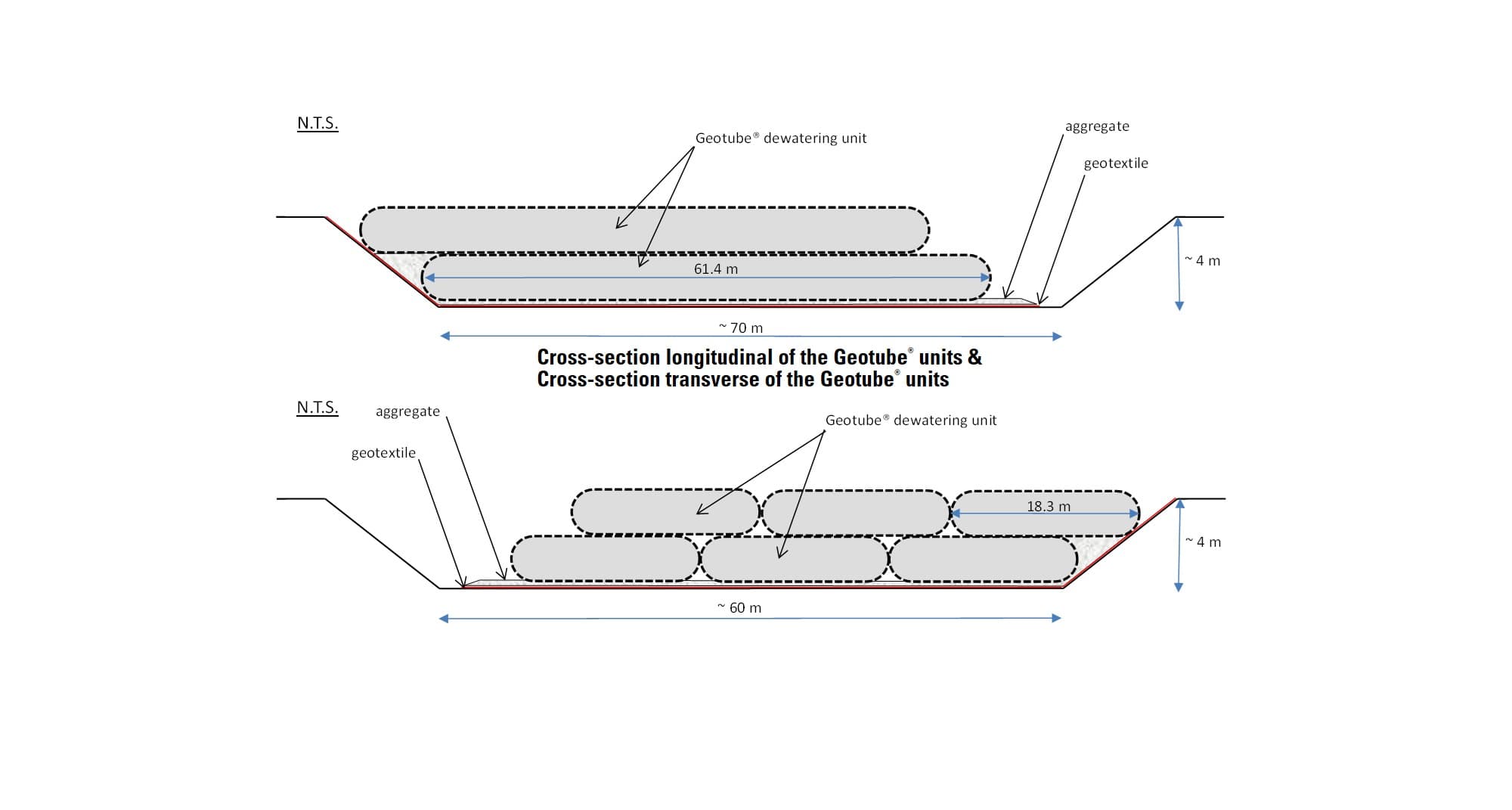
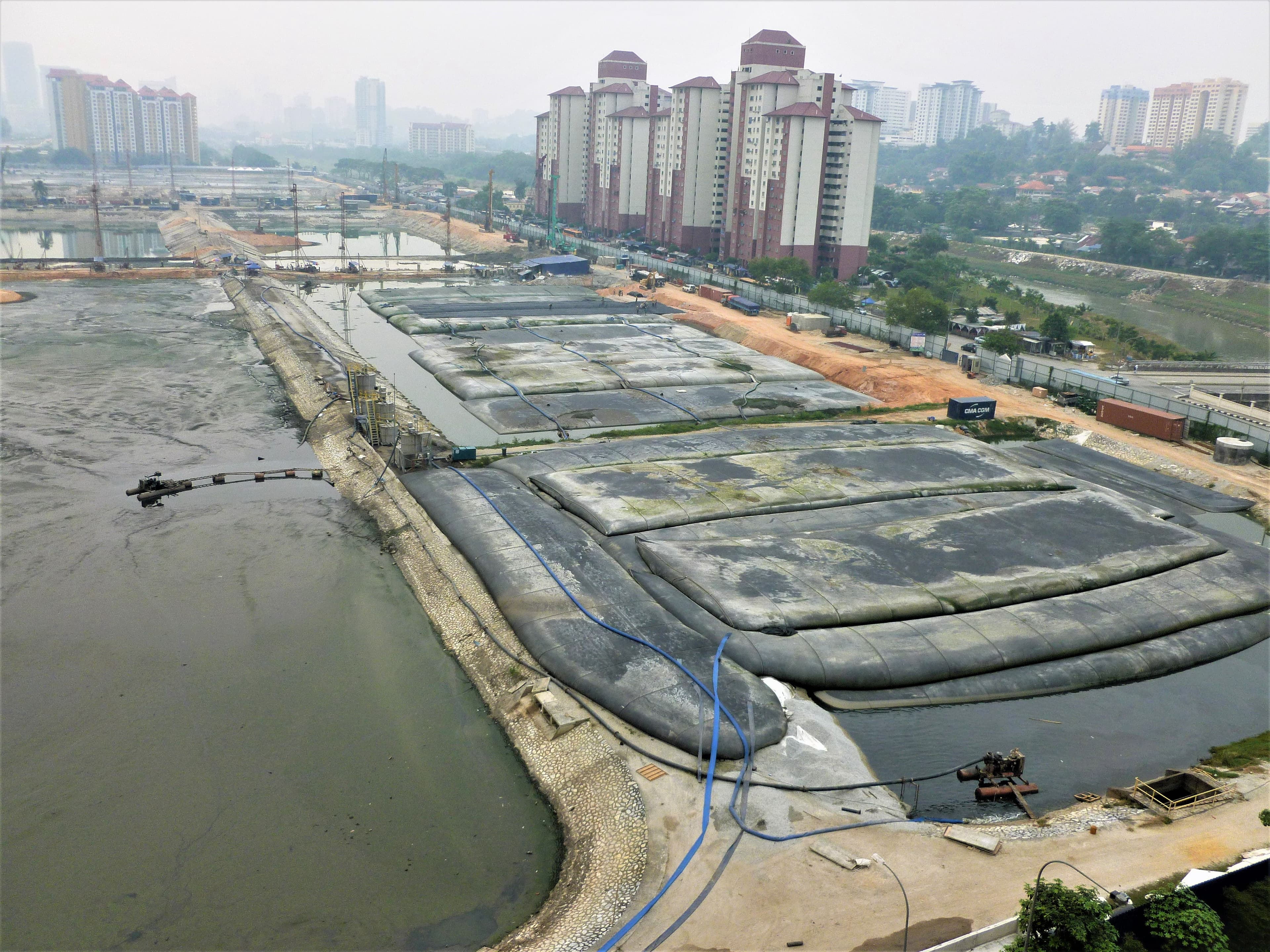
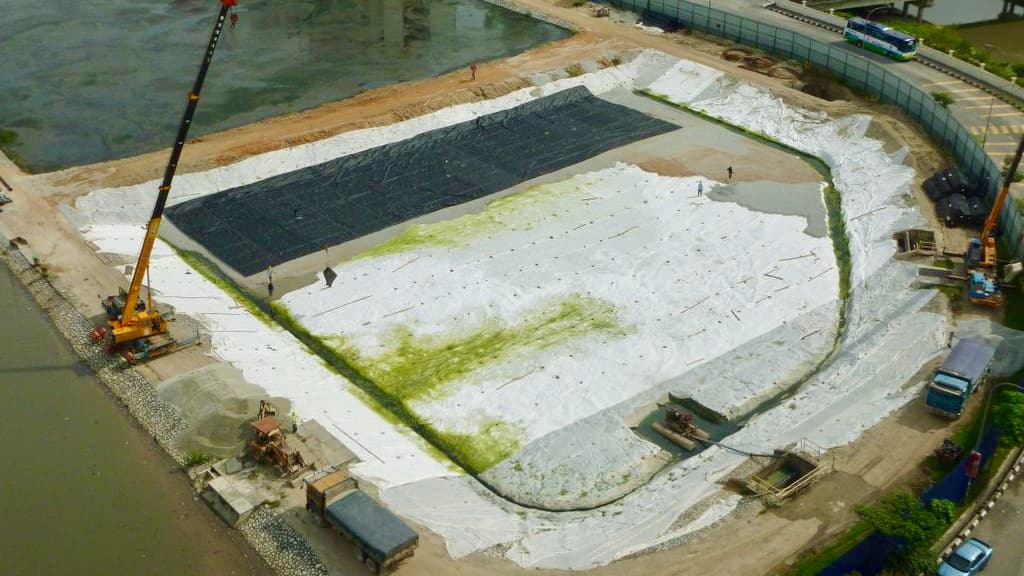
Various options for dewatering the sewage lagoons were evaluated, considering cost, practicality, efficiency, space availability, and the surrounding urban environment. GEOTUBE® dewatering technology was chosen for its ability to handle large sludge volumes, achieve high solids capture rate, and require low capital investment compared to other alternatives. Since workspace was scarce at the project site, the GEOTUBE dewatering units could be customized to fit the available area within the lagoon footprint and securely contain the dewatered solids without emitting odors until they could be removed.
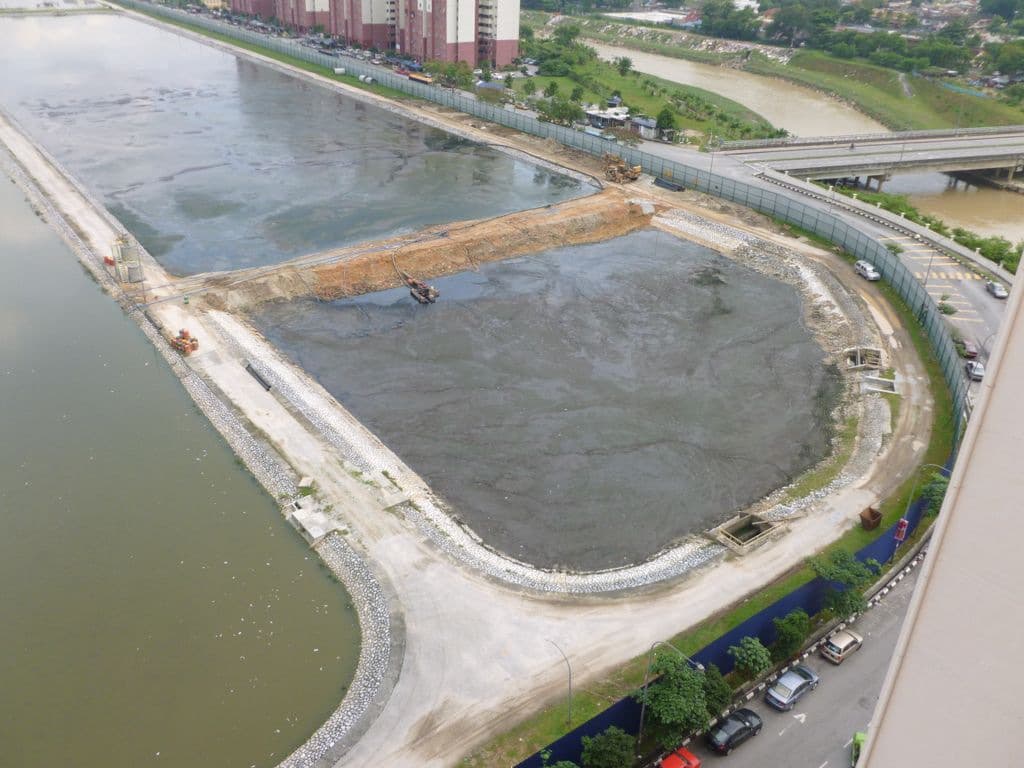
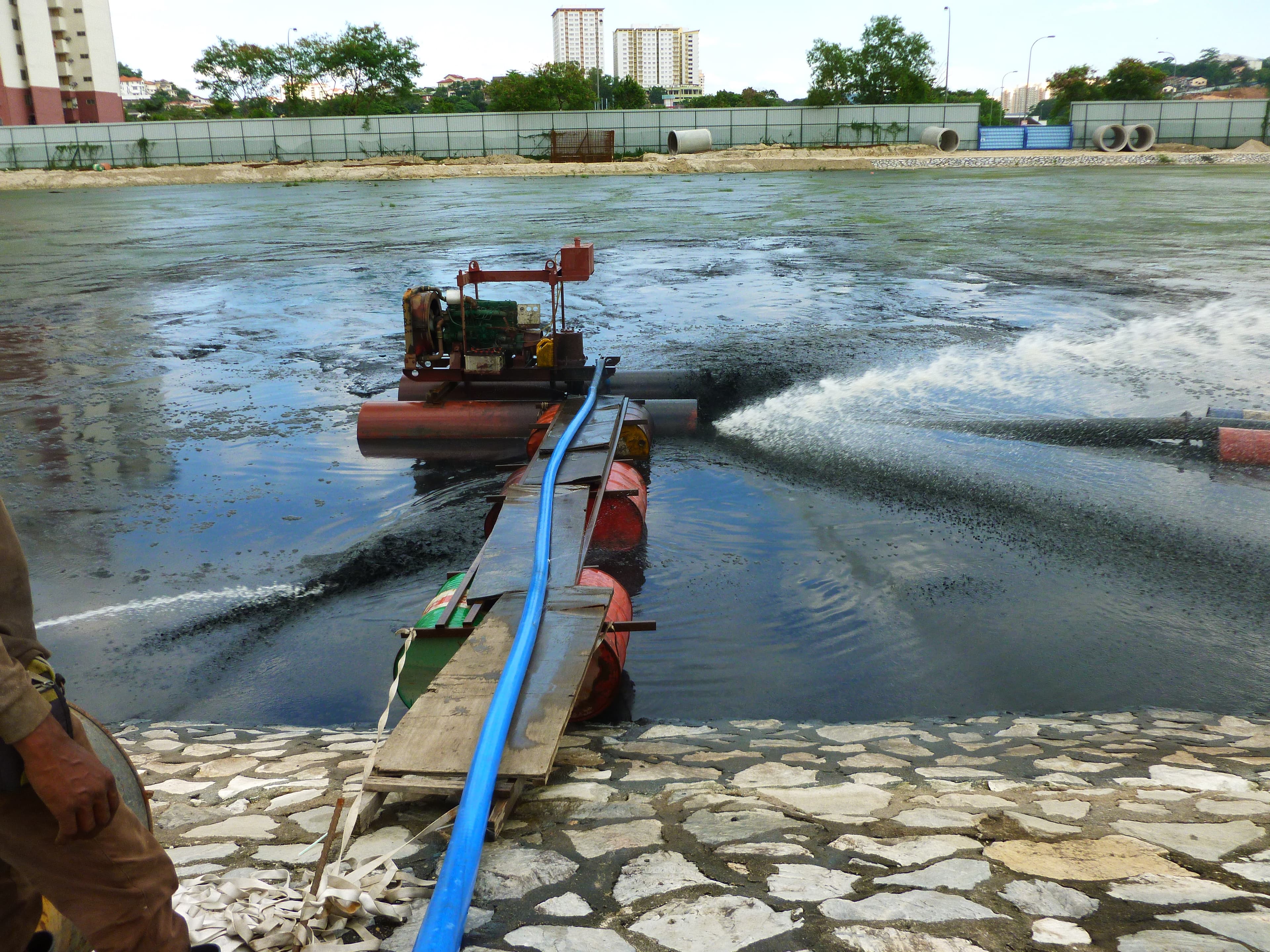
An earthfill bund was created to isolate a small area within the aeration lagoons. The sludge within this area was then pumped into the adjacent aeration lagoons to dry it out, allowing the first GEOTUBE dewatering cell to be established according to the original aeration lagoon layout. As dewatering progressed, additional dry areas became available for use as dewatering cells. This effective and straightforward work program was carried out in phases, ensuring efficient progress.
The sludge in the ponds had a solids concentration of approximately 10%. Dewatering tests were conducted to assess the efficiency of GEOTUBE dewatering, resulting in a final dewatered solids concentration of 30% within the tube units. This concentration could be achieved with a tube dewatering capacity of 60%-65% after approximately six filling cycles. Based on these findings, it was determined that a total length of 920 m (3,018 ft) of tubes with a circumference of 36.6 m (118 ft) was required. The lengths of individual tube units were adjusted to fit within the available cell spaces.
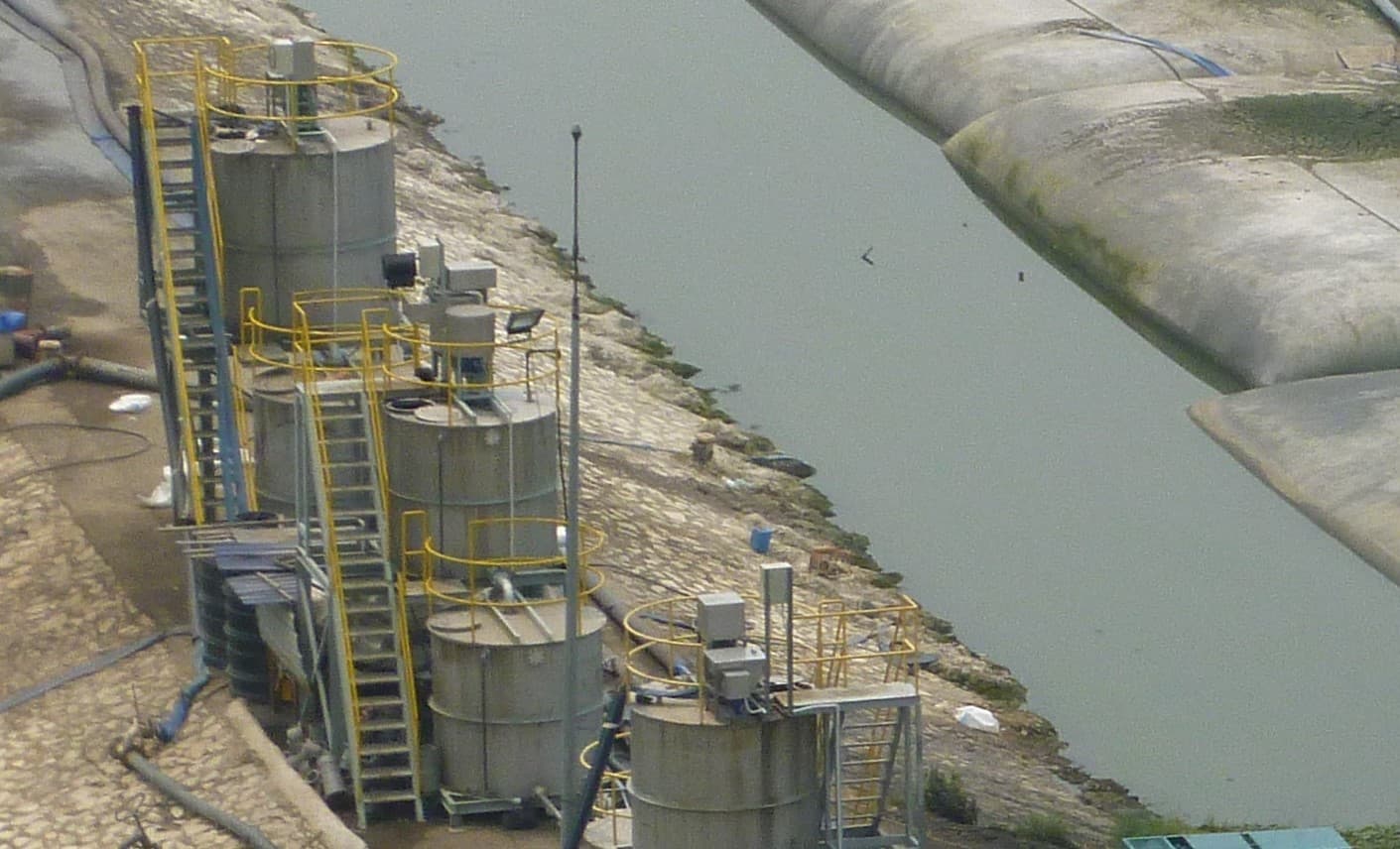
Construction of the initial cell bund involved the placement of geotextiles and drainage aggregates to facilitate the collection of discharged effluent water. This was followed by the deployment of tubes into the first dry cell bed, and subsequent dredging of sludge from the adjacent lagoon at a rate of 250 m³/h (820 ft³/h) during a 10-hour daily operation cycle. Before pumping into the tubes, the slurry was injected with cationic polymer at a dosage ranging from 1 to 1.5 kg (2.2 to 3.3 lbs) per tonne of dried solids.
Solutions
GEOTUBE dewatering technology was successfully employed for the cleanout of the aeration lagoon in the Pantai 2 Sewage Treatment Plant Project. The use of this technology enabled the dewatering process to be conducted within a segmented area of the aeration lagoon, overcoming the challenge posed by limited workspace at the site. Once the desludging works were completed, the GEOTUBE dewatering units were dismantled, and the solids were transported to an approved landfill for disposal. Following this, ground improvement works commenced to prepare for the construction of the new treatment plant.