World’s largest pit thermal storage in Vojens
In Vojens, Denmark, a 200,000 m³ pit thermal storage basin stores surplus solar heat from a 70,000 m² collector field. Using Solmax geosynthetics, the system reduces CO₂ emissions by 6,000 tons annually.
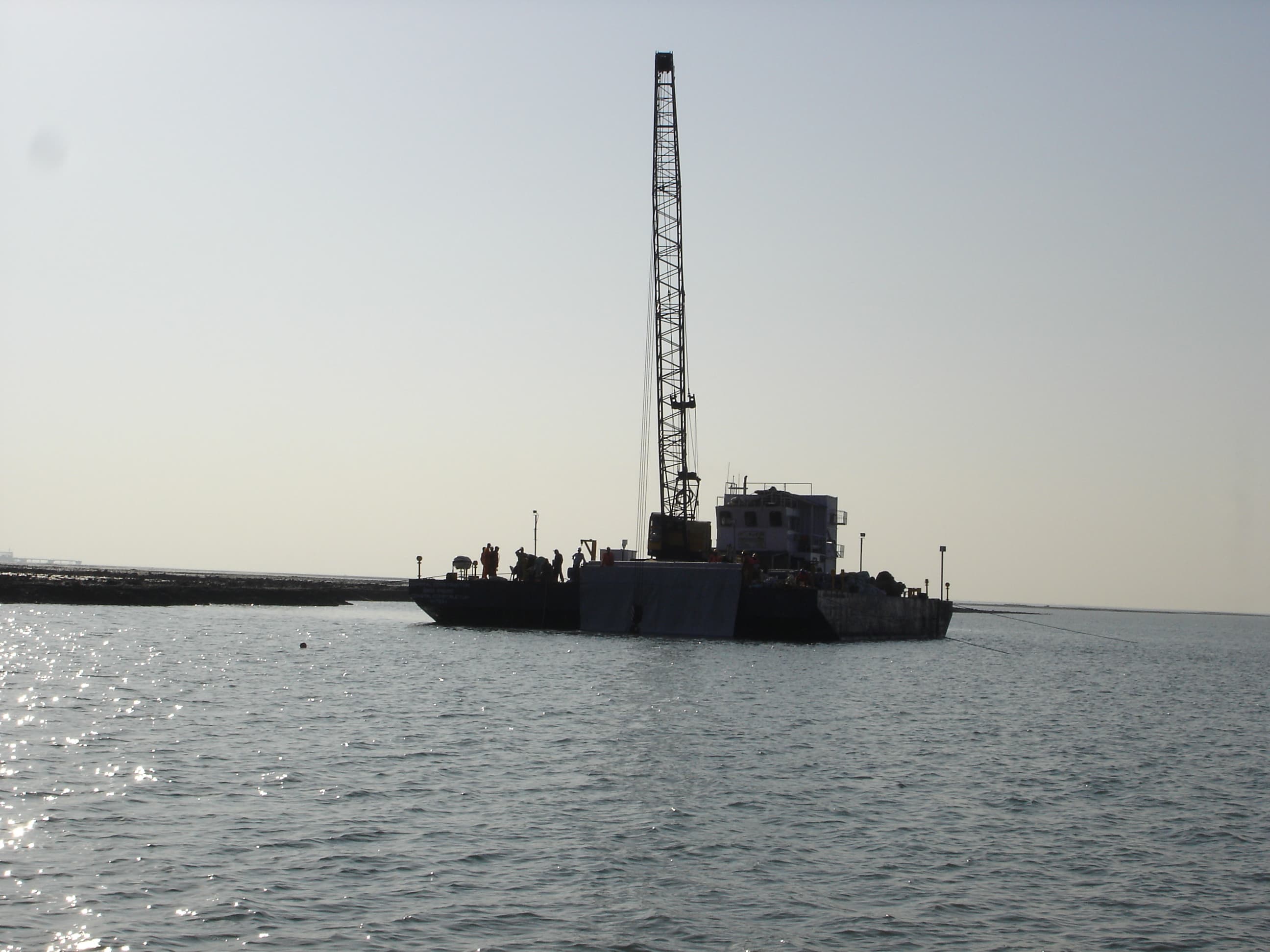
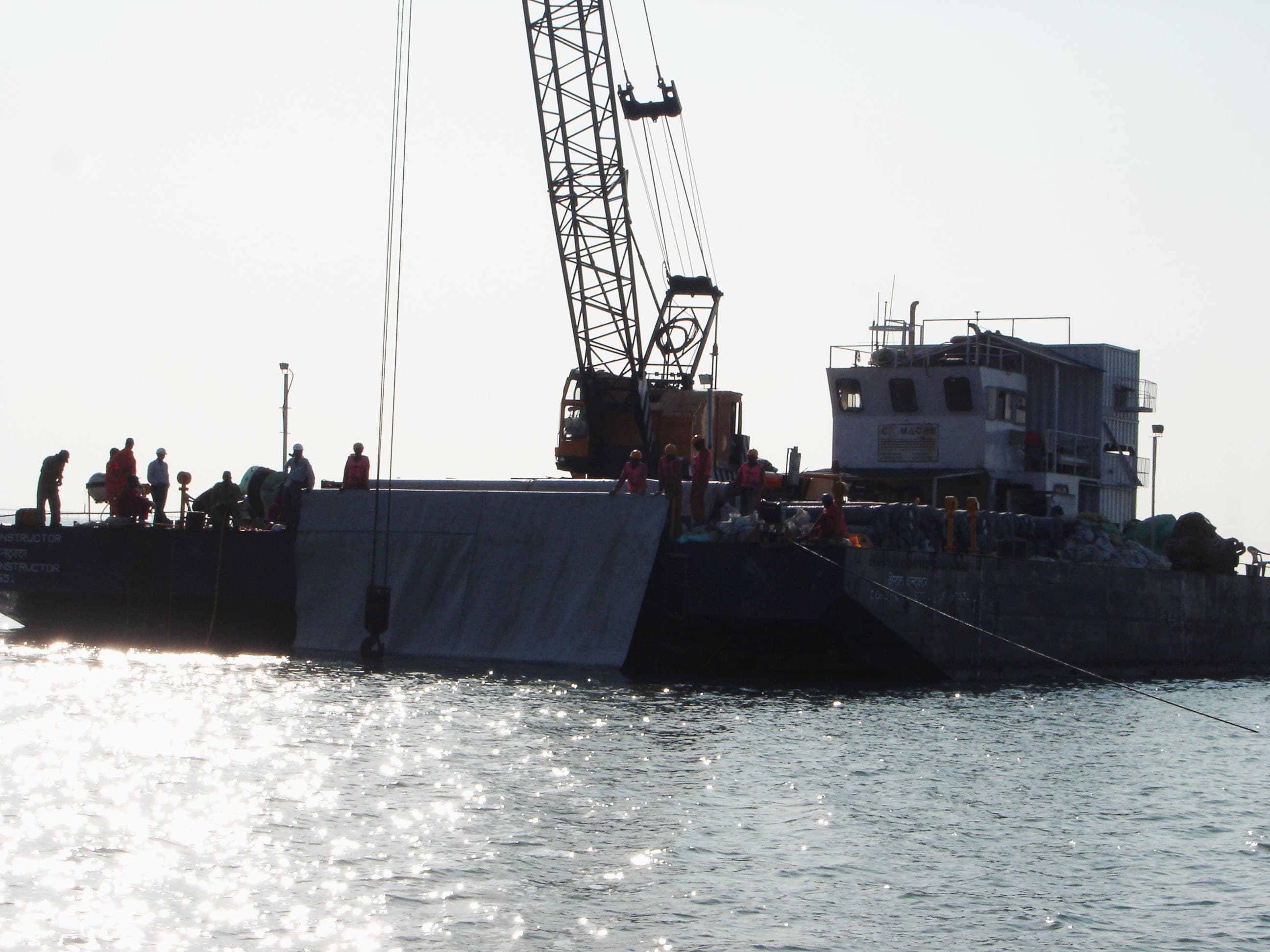
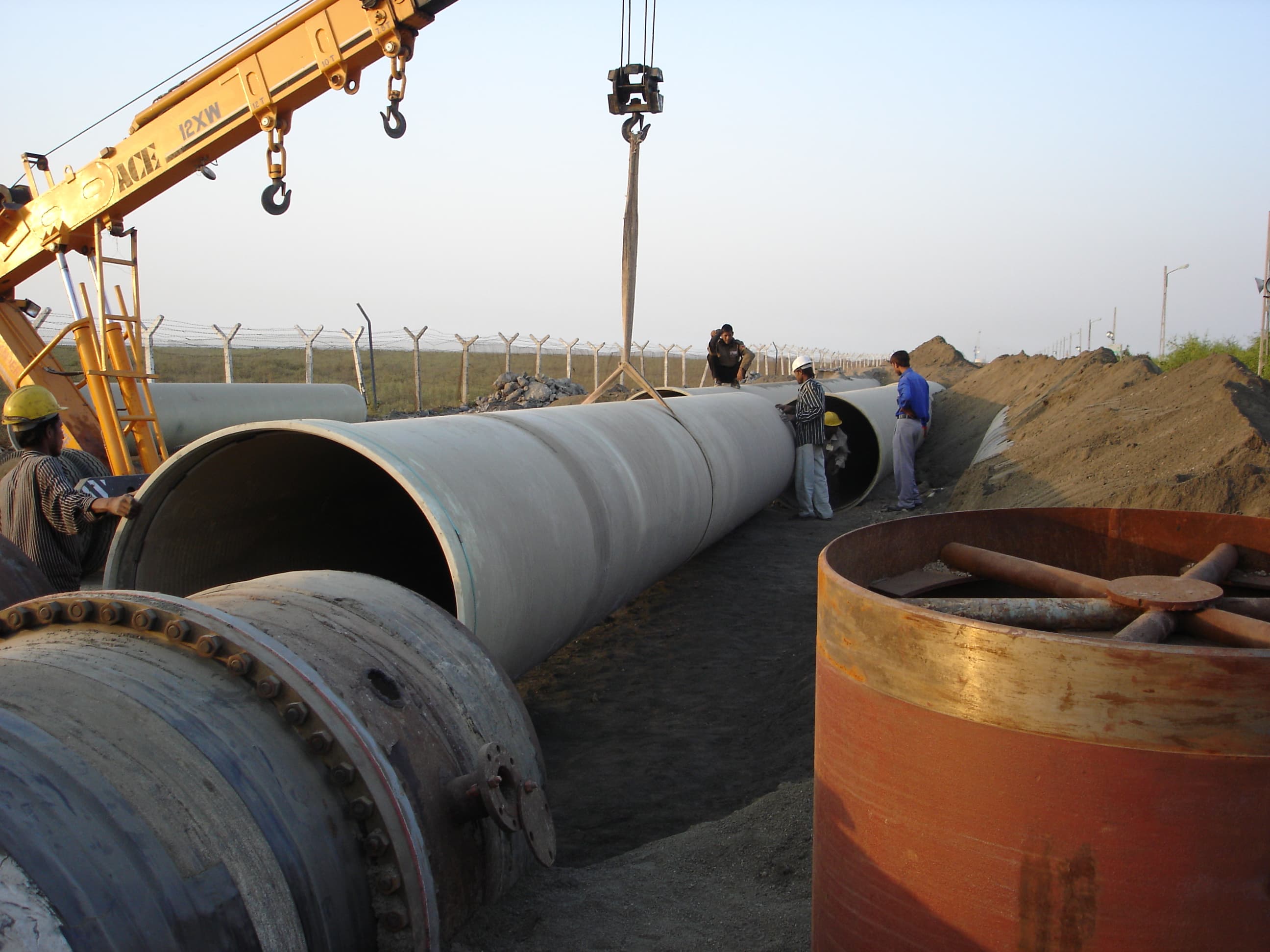
The Jamnagar refinery, located in northwest India, is a crude oil refinery with a production capacity of 661,000 barrels per day. To accommodate the planned expansion of doubling its production capacity to 1.2 million barrels per day, a significant amount of wastewater will be generated during the crude oil extraction process. To prevent environmental contamination, it was decided to dispose of the treated wastewater through pipelines laid on the seafloor. The project involved laying five 1.4m (4.6 ft) diameter pipes over a distance of two and a half kilometers (1.6 miles) in a pre-dredged trench measuring 70.5m (231.3 ft) wide and 3.5m (11.5 ft) deep.
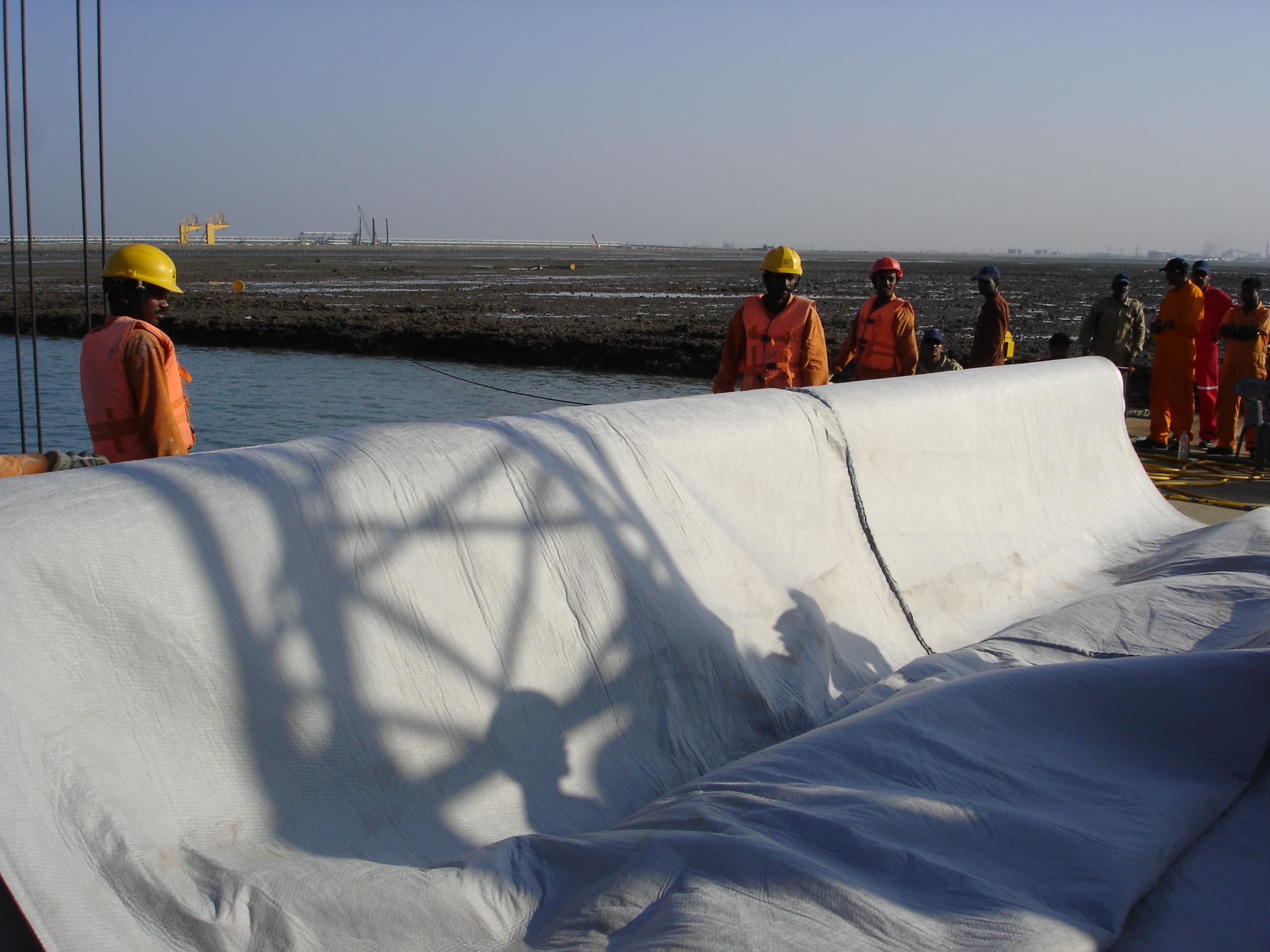
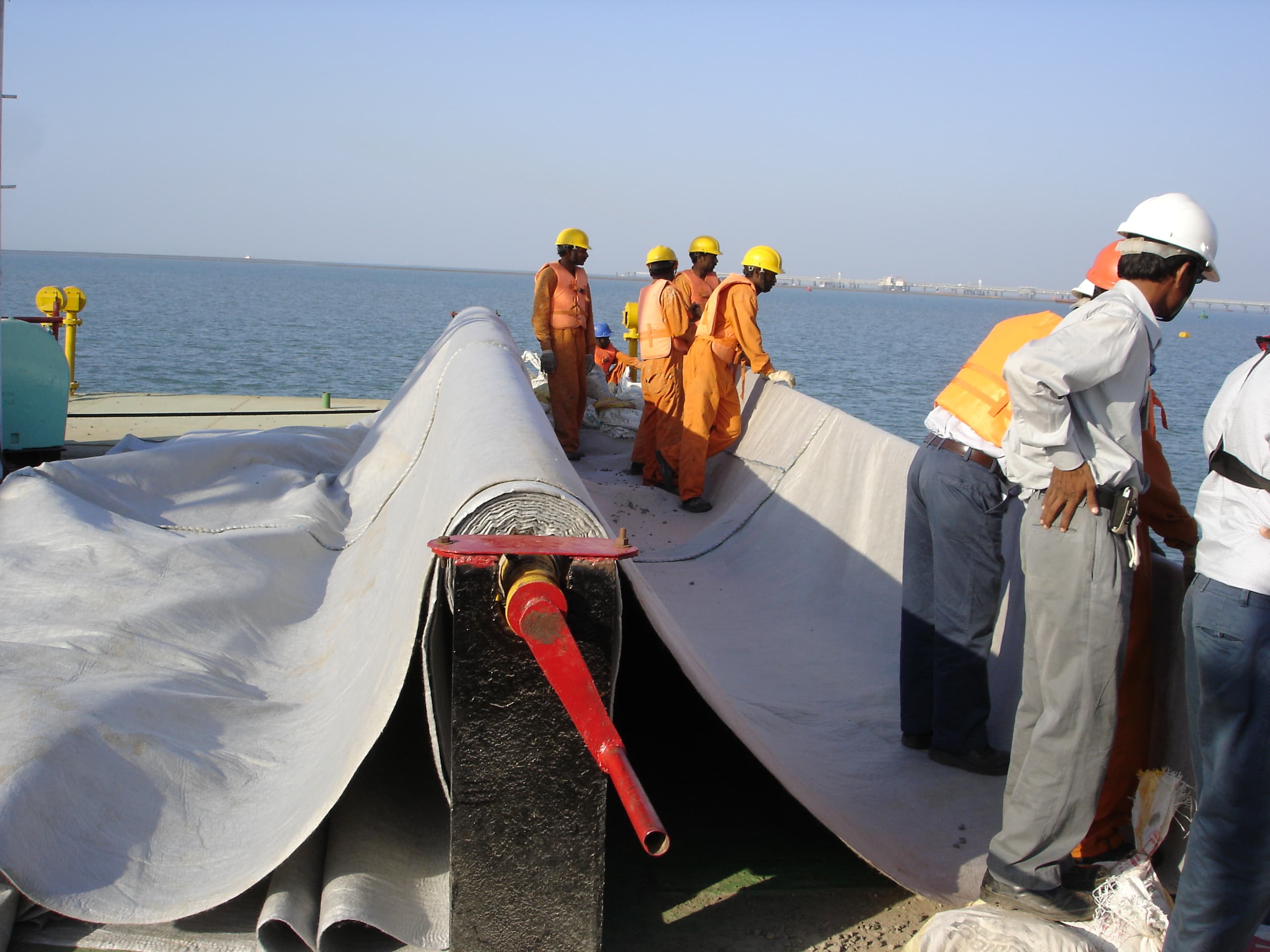
To ensure separation between the bedding material and the silt, a layer of MIRAFI® Polyfelt® TS009 nonwoven geotextile was placed at the bottom of the trench. This was followed by a 300mm (11.8 in) thick layer of well-graded aggregates. The MIRAFI Polyfelt TS009 geotextile acted as a separator, preventing the loss of aggregate into the soft subgrade of the seafloor and maintaining the structural integrity of the aggregate fill layer. After the pipes were installed, the trench was backfilled with in-situ soils. The decision to lay the pipelines in a trench was made to protect them from potential damage caused by local navigation.
On-site, two sections of MIRAFI Polyfelt geotextiles measuring 4 m (13.1 ft) in width were stitched together longitudinally, forming 7.5 m (24.6 ft) wide geotextile panels. These panels were then accurately deployed at the base of the trench using an 8 m (26.2 ft) wide spreader bar mounted on a crane situated on a floating barge. The 7.5 m (24.6 ft) wide x 2.5 km (1.6 miles) long MIRAFI Polyfelt TS009 geotextile was rolled off into the water with the assistance of counterweights in the form of bags filled with aggregate. Divers were employed to facilitate the installation of the MIRAFI Polyfelt TS009 geotextile. The pipes were placed at a distance of 3.5 m (11.5 ft) center to center within the trench. This careful selection of construction materials and their installation proved to be a significant cost-saving measure.
Jamnagar Refinery Pipelines, India Waste management MIRAFI Polyfelt TS
World’s largest pit thermal storage in Vojens
In Vojens, Denmark, a 200,000 m³ pit thermal storage basin stores surplus solar heat from a 70,000 m² collector field. Using Solmax geosynthetics, the system reduces CO₂ emissions by 6,000 tons annually.
Reinforced soil walls maximizing urban developable land
Geocomposite-reinforced soil walls totaling 1,385 m supported land formation at Eco Botanic City, providing stable retaining walls, efficient drainage, and the use of local backfill while maximizing developable land on a constrained urban site.
Pit thermal energy storage in Gram, Denmark
In Gram, Denmark, a 122,000 m³ pit thermal energy storage with a 44,800 m² solar collector field provides 18,000 MWh of heat annually. Solmax geosynthetics ensure safe high-temperature storage and reduce CO₂ emissions by 3,700 tons per year.